The Story
Why it exists.
The beginning
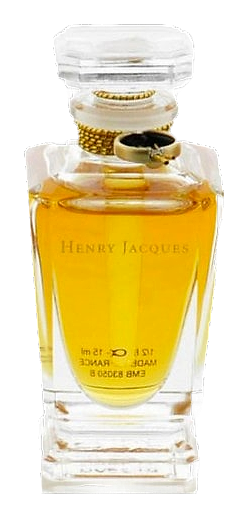
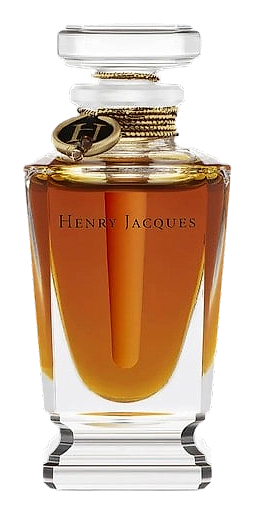
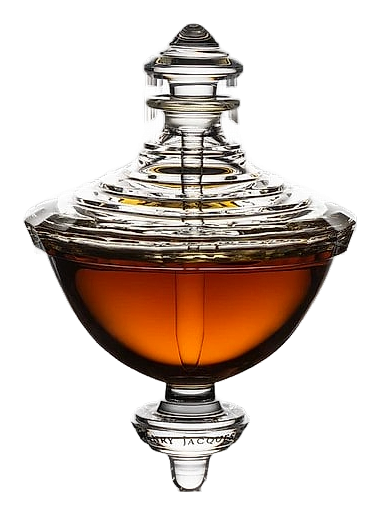
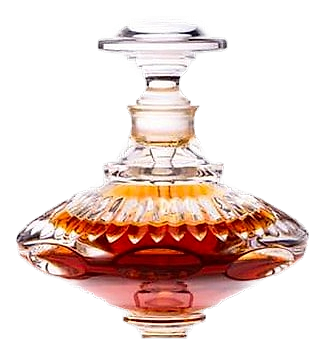
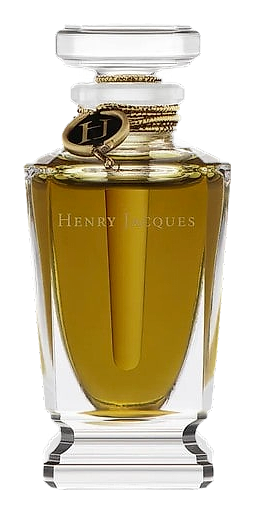
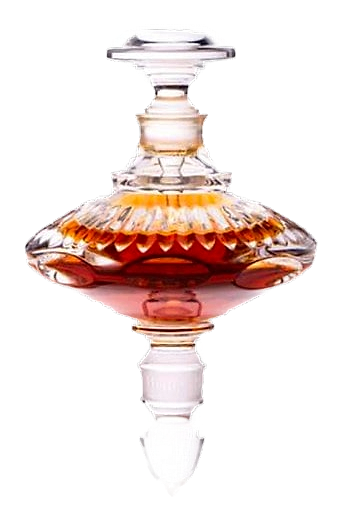
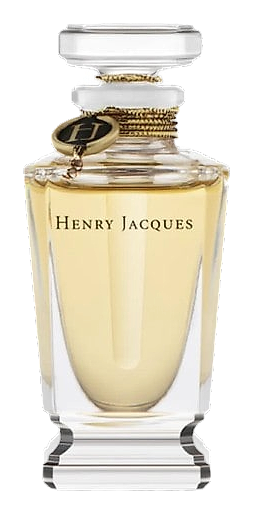
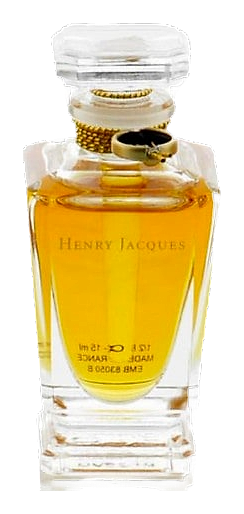
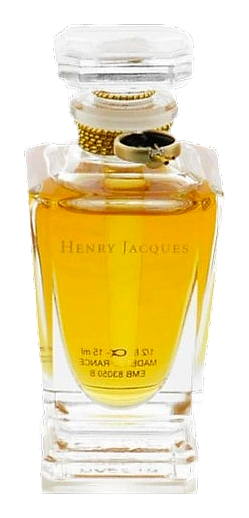
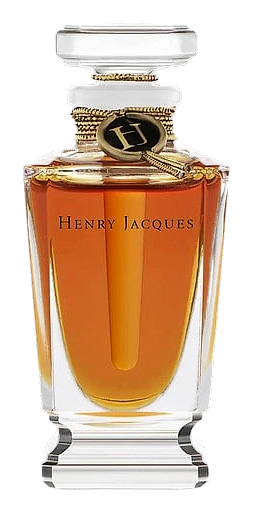
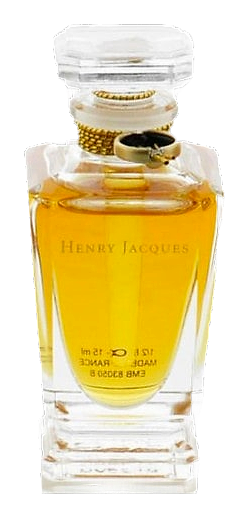
Oudh El Dehen Royal Fleuri belongs to Henry Jacques's Les Classiques de HJ, a collection that gathers some of the maison's most refined compositions under one roof. The name itself carries layers: 'Oudh El Dehen' evokes the house's deep relationship with oud as a material, and 'Royal Fleuri' crowns it with something softer, a floral grace note that tempers the depth below. This is not a fragrance built for trend cycles. It sits within a house that has long privileged intimacy over mass availability, creating scents for a select audience before gradually allowing broader access to selected pieces. The maison's approach has always been jewel-like: a flacon, a composition, an experience meant to be worn intimately rather than broadcast.
What makes this composition worth a second look is the structural tension between broom and saffron at the top, and the deep oud-rose architecture below. Broom is an unusual opening note, carrying a honeyed, almost hay-like sweetness that catches the light before the oud settles in. It's the floral wildcard the name 'Royal Fleuri' quietly promises. The heart is where the composition's weight lives: oud joined by myrrh and patchouli, neither of which is here to shout. They build texture, a resinous grain beneath the floral top notes rather than competing with them.
The evolution
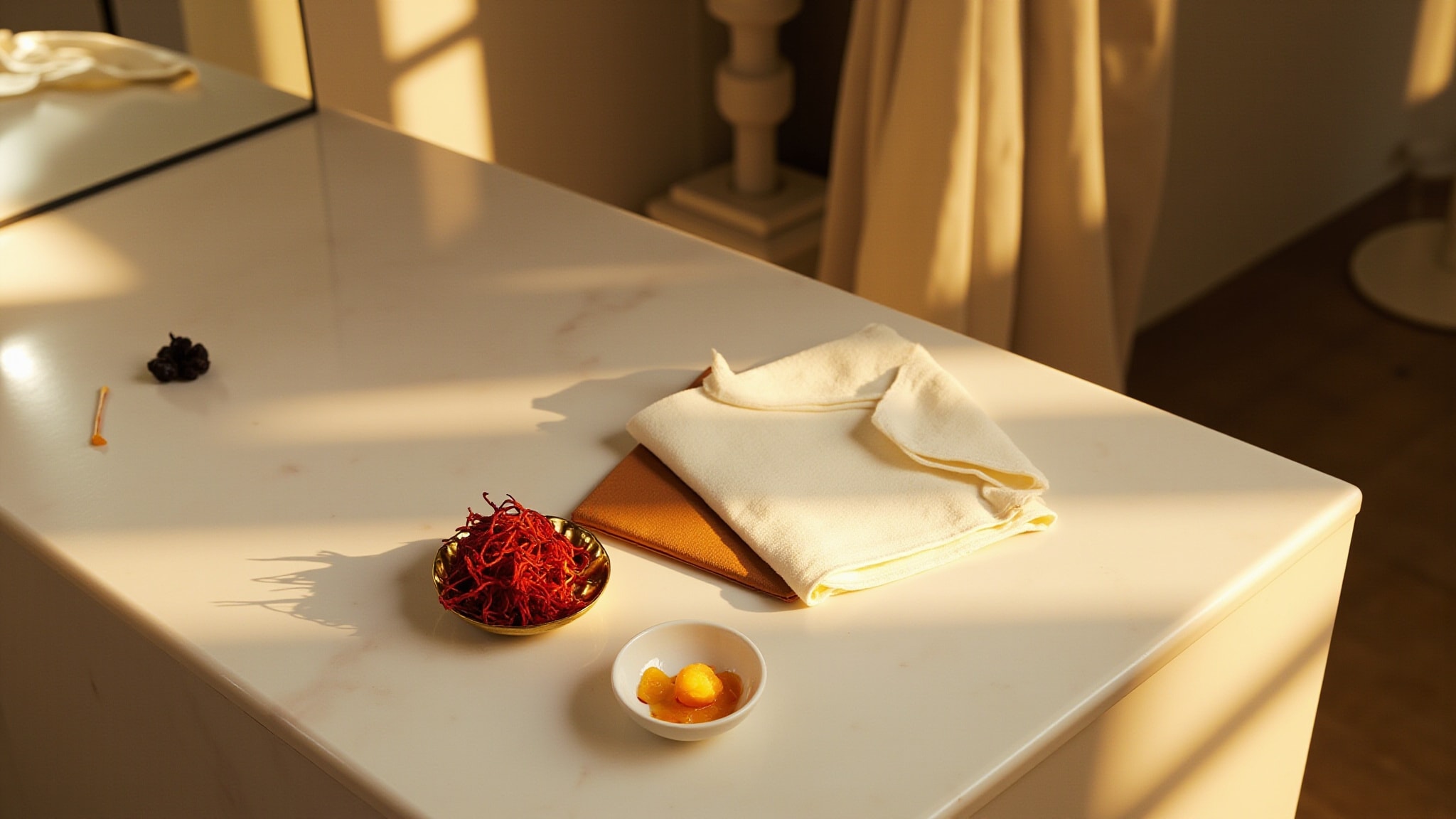
The first spray is immediate saffron, warm, slightly metallic, almost leathery, with broom's honey-green sweetness sitting just behind it like light through a window. For the first twenty minutes, the fragrance reads bright and spiced, closer to a saffron-and-amber composition than anything you'd call oud. Around the thirty-minute mark, the shift begins. The saffron doesn't fade so much as it gets denser, pulling the myrrh and patchouli up from underneath. The scent turns inward, warm, resinous, the oud arriving not as smoke but as polished wood, like the interior of an old library where someone has been burning fragrant bark. The broom recedes. The rose is barely there yet, just a shadow. By the second hour, the Damask rose asserts itself, but quietly, the way real rose behaves in a composition this dense. It doesn't bloom so much as it exhales.
Cultural impact
Oudh El Dehen Royal Fleuri belongs to a house that spent decades making fragrances only for private clients, and the scent carries that weight. It is not a fragrance built for visibility, and it rewards the kind of wearer who treats scent as a private language rather than a broadcast. The composition asks for attention but never demands it, rewarding the wearer with depth rather than volume, intimacy rather than projection. Within the broader landscape of oud compositions, it occupies a particular position: structured enough to satisfy those who know the material, restrained enough to appeal to anyone drawn to oud's quieter expressions.