The Story
Why it exists.
The beginning
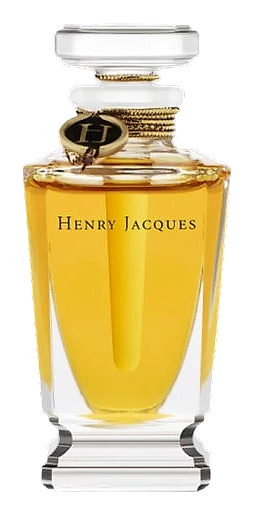
Amira arrived in 2024 wearing a structure most modern releases have quietly abandoned: the Chypre. Sparkling aldehydes and orange blossom open the door, then Damask rose, jasmine, and iris gather at the center, and oakmoss, oud, and sandalwood settle into a base that feels deliberate and unhurried. The composition is generous in materials, measured in presentation. There's no loud reinterpretation here, just a house choosing a centuries-old European fragrance structure and letting it speak for itself. The aldehydes carry that soapy, almost metallic brightness that defined the category's grandest expressions, while the orange blossom lends a honeyed sweetness that softens the opening's sharper edges.
The aldehyde-Chypre combination carries a long lineage, a category built on the tension between sparkling top notes and earthy, moss-anchored bases. Amira re-enters that territory without nostalgia. The jasmine gives the heart a sun-warmed density that bridges the citrus-bright opening and the resinous base, while the oud adds a smoky gravity that oakmoss alone wouldn't supply. It's a composition that draws from multiple traditions, refusing to be reduced to a single one.
The evolution
The first fifteen minutes are almost aggressive in their brightness: aldehydes do their soapy, fizzy dance over orange blossom, all effervescence and light. Then something shifts. The ylang-ylang, jasmine, and floral heart push toward something denser and creamier, the iris adding a powdery coolness that reads almost like cold lipstick. By the two-hour mark, the oakmoss has taken over, green and earthy, with the oud threading a low, smoky current beneath it. The sandalwood doesn't announce itself; it just makes the base feel warmer, more intimate. Six hours in, the composition has narrowed into a close, mossy-skin scent. The next morning on a scarf, it's all oakmoss and a ghost of jasmine. Nothing loud. Nothing urgent. Just a Chypre that stayed the course. Each transition feels earned rather than rushed, the composition never losing sight of what it set out to do.
Cultural impact
Amira enters a fragrance landscape where the Chypre category has become something of a rarity, with most mainstream houses having moved away from the structure over recent decades. Henry Jacques's version leans into the classical architecture, offering a take that draws on the form's traditional elements. The fragrance doesn't position itself as a trend piece or a commentary on current market directions. It's a composition that respects its own lineage, built for someone who wants a Chypre that knows its references and doesn't apologize for them.