
The Story
Why it exists.
The beginning
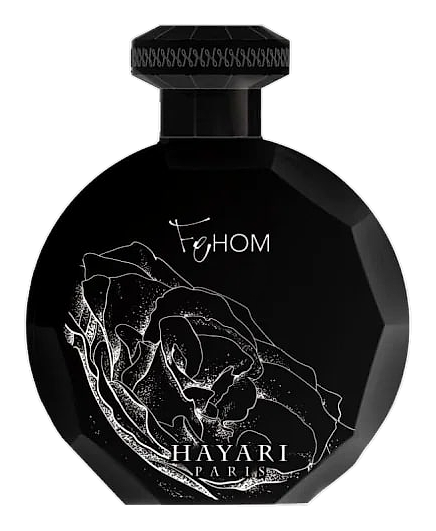
The name says everything. FeHom presents itself as a statement, the kind that invites curiosity before the first spray. At its heart, rose takes center stage, chosen not for any gendered connotation but for its remarkable versatility. The rose note carries depth and nuance, its character shifting between warmth and coolness depending on what surrounds it. In this composition, it breathes, it adapts, it refuses to be pinned down. The name isn't marketing. It's the thesis.
The note structure reinforces the duality. Juniper berries and cardamom open with an aromatic sharpness that reads as anything but delicate, cool, almost medicinal, like gin botanicals on cold stone. Then the rose arrives, but it's not alone. Sandalwood and freesia give it a powdery warmth that bridges the gap between soft and solid. The gender-free positioning isn't about compromise. It's about confidence that doesn't need to announce itself.
The evolution
The opening is a brief, bright flash, bergamot and cardamom hit fast, then recede. What's left is the rose, amplified by freesia's clean floral edge. This phase is intimate and present, the kind of clarity that draws attention without demanding it. The drydown is where FeHom earns its reputation. Amber, benzoin, and vanilla form a warm, powdery base that doesn't overpower, it whispers. Close to the body rather than filling a room, the fragrance settles into a quiet, sustained warmth that invites closeness.
Cultural impact
FeHom occupies a distinctive space in the fragrance landscape. The rose is real and substantial, the amber-vanilla base provides genuine warmth, and the powdery character doesn't feel like a compromise. It found an audience among wearers who wanted something warm and floral without being locked into a gender category. The composition sits quietly between mainstream oriental florals and more avant-garde gender-fluid releases, offering a nuanced alternative that bridges those territories without apology.