
The Story
Why it exists.
The beginning
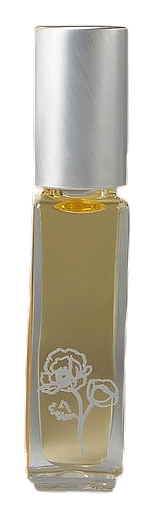
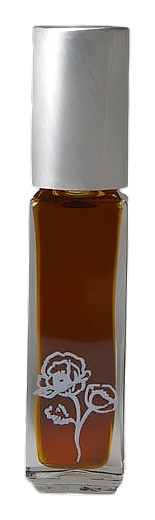
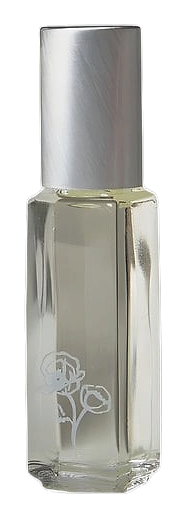
Pavane No 2 debuted in 2013 as part of Gwendolyn-Mary's Pavane collection. Its musical reference is Felix Mendelssohn's "Wedding March" from the incidental music for A Midsummer Night's Dream. The composition centers on Rose, Lily, and Water Lily, with white floral, rose floral, aquatic, soft spicy, and fresh accords defining its character. The fragrance opens with a polished floral impression in which clean lily and watery Water Lily create a cool, transparent impression. Rose adds warmth and color as the composition develops, while the fresh accord lends brightness and the soft spicy accord adds a subtle counterpoint.
The striking part is the dialogue between two kinds of lily and a richly colored rose. Lily and Water Lily bring a pale, aquatic softness, while Rose introduces depth and a faint sense of spice. That contrast gives the composition its shape: floral, but never sugary; fresh, but with enough rose to feel composed rather than casual. The naming also connects scent to music, with Pavane No 2 conceived as an atmospheric composition rather than a simple floral showcase.
The evolution
The fragrance begins with a cool, reflective floral impression, as though lily petals have been placed on the surface of still water. The heart brings fuller movement. Rose deepens the arrangement with color and texture, while Lily and Water Lily keep it buoyant, clean, and gently spiced. As the hours pass, the vivid floral character gradually softens rather than changing direction. The composition settles into a gentler floral impression, with rose and lily remaining present as the watery facets become less pronounced. The final impression is smooth and composed, with soft floral warmth over a clean, lightly musky base. The scent wears gradually, moving from a bright opening into a refined floral trace that remains recognizable without becoming overly insistent.
Cultural impact
Pavane No 2 connects classical music with a floral fragrance in a way that invites attention to mood and atmosphere. Its musical reference, Felix Mendelssohn's "Wedding March" from the incidental music for A Midsummer Night's Dream, gives the name a cultural context beyond the conventional language of perfumery. The composition of Rose, Lily, and Water Lily complements that association with a balance of freshness, floral warmth, and gentle spice. Together, the music and scent create a distinctive frame for exploring fragrance as an expressive, composed experience, with the lilies providing clarity and the rose adding depth.