The Story
Why it exists.
The beginning
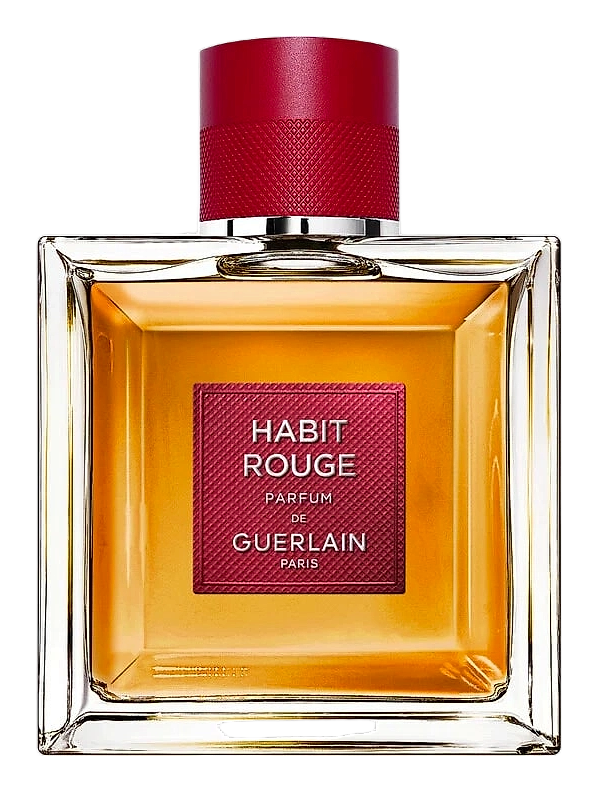
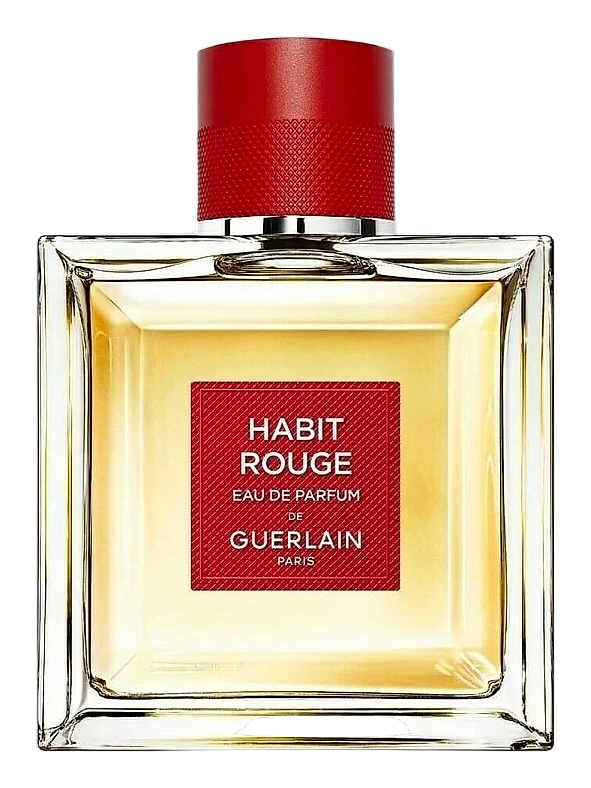
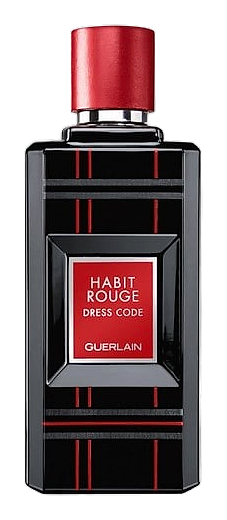
Habit Rouge arrived in 1965 and never left Guerlain's lineup, it remains the house's defining masculine statement, a composition built on the unusual pairing of rose and leather that shouldn't work and does. In 2016, Thierry Wasser revisited that foundation with Habit Rouge Dress Code, a warmer, more assertively sweet take on the original. The name is deliberate: this is the version for when the dress code tightens and the atmosphere demands something with more weight behind it.
The spicy heart does quiet work here. Where many flankers add complexity by layering notes, this one builds tension through restraint, the spices sit beneath the rose and citrus rather than overwhelming them, adding heat without noise. The result is a fragrance that reads as singular rather than constructed, as if Wasser found the middle ground between Habit Rouge's elegance and something that simply smells like the person wearing it.
The evolution
The opening hits bright and clean, bergamot and neroli sparkling against the skin for the first twenty minutes, rose softening the edges without softening the whole. Then the hand-off: rose blooms warmer, the spices arrive without announcement, and the whole composition thickens by the hour mark. By hour three, leather and praline have taken over, this is where Habit Rouge Dress Code 2016 stops resembling anything else in the Guerlain lineup and becomes its own animal. Vanilla and tonka bean wrap around the leather, sweet but not saccharine, and this is where it stays: six to eight hours on most skin, close enough to be asked about, warm enough to linger after you've left the room.
Cultural impact
The Dress Code editions were Guerlain's most anticipated annual releases until the programme ended in 2018, each year brought a new decorative motif on the bottle and box, which collectors tracked and discussed in the community. Habit Rouge Dress Code 2016 sits within that lineage as the edition collectors cite most often when describing what the programme meant: a house using its heritage as creative permission rather than constraint.