The Story
Why it exists.
The beginning
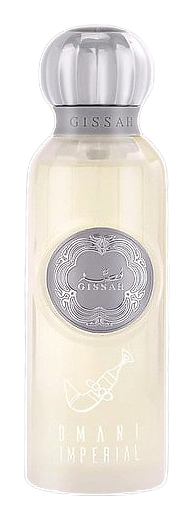
Omani Imperial joined Gissah's Signature Collection in 2026, continuing the house's practice of building each release around a cultural vignette. The name points south to Oman, and the composition reads like an homage to that heritage without resorting to costume. There's a specificity in the naming that suggests intention rather than trend-chasing, a fragrance that knows what it's referencing and lets the notes do the talking. What makes this one land differently is the restraint. Where the Signature Collection often leans into opulence, Omani Imperial opens with peony and pepper, a pairing that feels curated rather than borrowed. The floral brightens the spice. The spice keeps the floral honest.
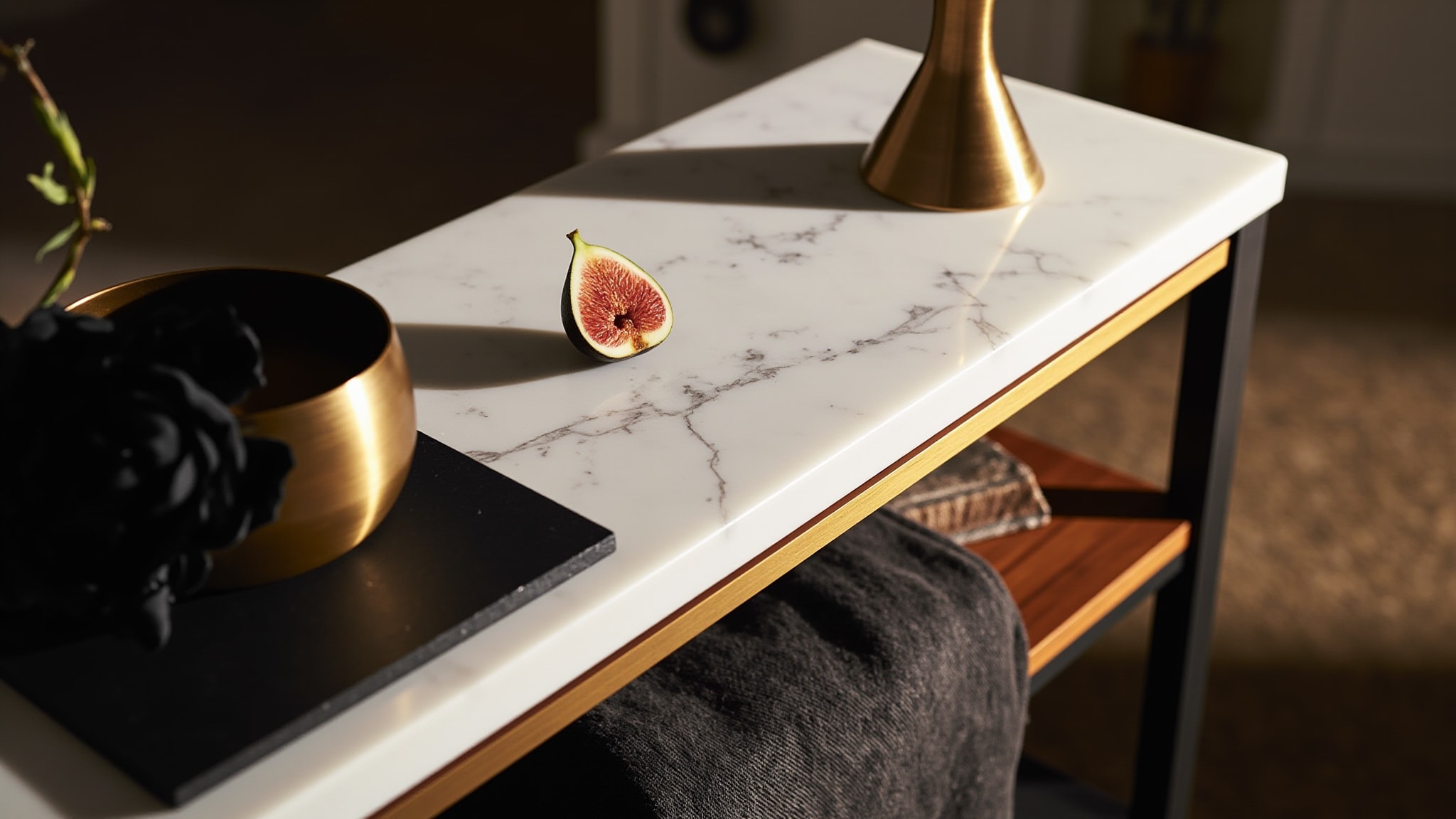
Fig in an oud composition is a deliberate choice, one that gives the heart a distinctly creamy texture. Here, fig sits between frankincense and leather, acting as a bridge between the resinous heart and the animalic base. The fruit's milky sweetness softens the frankincense's church-incense austerity, while the oud underneath gives the fig something dark to root into. Fig and frankincense together create a contrast that feels ancient and modern at once, resin meeting fruit in a way that keeps both notes legible. Pepper is present in the opening, but it's used as a seasoning, not a statement.
The evolution
The first fifteen minutes are the loudest this fragrance ever gets. Peony and pepper arrive with a crackle, bright and slightly sharp, like cold air on a warm throat. It's not a room-filler. It's a handshake distance, present enough to be noticed but never aggressive. The opening has a lift to it, a quality that suggests freshness without veering into sharp or synthetic territory. Around the thirty-minute mark, the pepper steps back and the heart arrives: fig and frankincense. The fig adds a creamy, almost lactonic sweetness, while the frankincense introduces a dry, resinous quality that feels ancient, like resin on hot stone. This is the phase that defines the fragrance. It lingers for hours, settling into the kind of warmth that feels lived-in rather than performed. The fig gives the heart a softness, while the frankincense keeps everything grounded and dry.
Cultural impact
Omani Imperial places oud and peony in the same composition, frankincense and fig in the same breath, and lets them coexist without forcing a hierarchy between them. The result is a fragrance that feels rooted in Arabian resinous traditions while remaining approachable to a broader audience. It doesn't demand familiarity with mukhallat-style intensity to be appreciated, nor does it dilute the resinous character into something generic. The Signature Collection framing positions it as a considered release, part of a curated series rather than a standalone experiment.