The Story
Why it exists.
The beginning
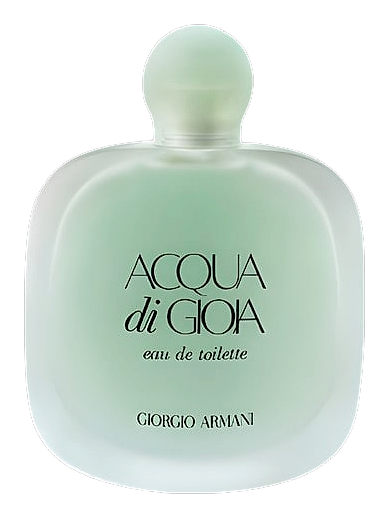
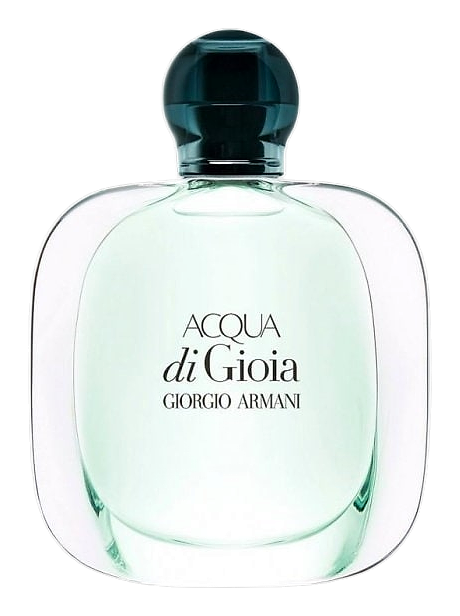
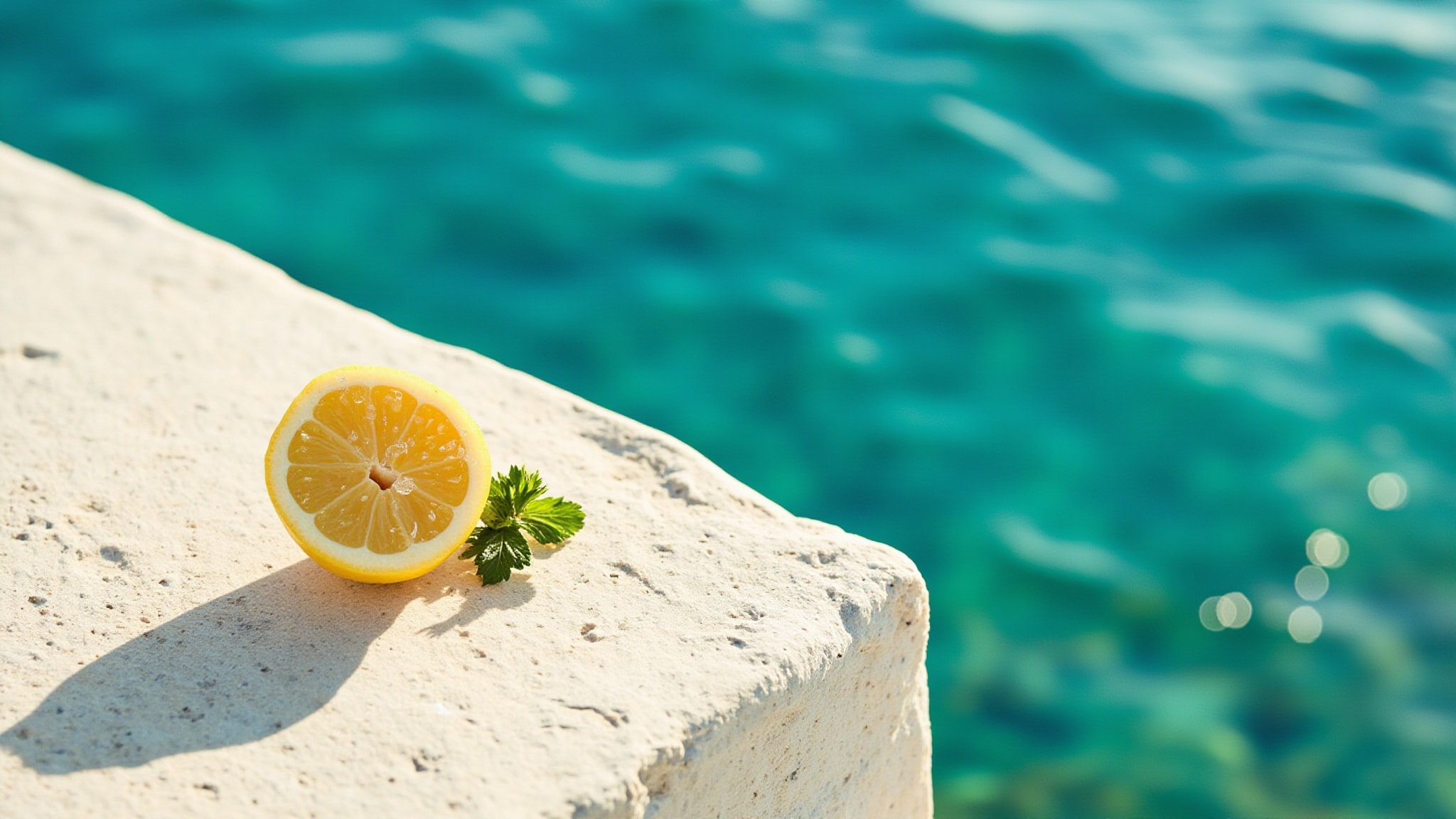
Acqua di Gioia arrived in 2010 as Armani's love letter to the Mediterranean coast. The name translates roughly to 'Water of Joy,' and the composition treats that promise literally. Loc Dong, Anne Flipo, and Dominique Ropion built a fresh-aquatic that opens on lemon and mint, then threads jasmine through an aquatic current. The fragrance reads like sunlit water from the first spray: citrus bright on top, green coolness underneath, the jasmine floating through the middle like a warm breeze over a cool surface. The accord between mint and lemon does most of the lifting in the opening, keeping the citrus sharp and aromatic rather than syrupy. Water and light refract through every layer.
What makes the structure interesting is the base. Brown sugar in a fresh-aquatic sounds wrong on paper. Here, sugar and cedar and labdanum drag the drydown somewhere warmer, somewhere almost edible. The contrast between the cool top and the warm bottom gives the fragrance a pulse. The aquatic isn't an absence. It's a memory of water that leads somewhere human. The cedar arrives quiet and dry, the labdanum hums underneath like a low chord, and the sugar softens every angle. The whole thing smells like it was built to be lived in rather than admired at arm's length.
The evolution
The first ten minutes are sharp and immediate. Lemon hits before the bottle has cleared your wrist, and mint cools the edges so the citrus reads electric rather than sour. Underneath, a green thread of aquatic notes rises like a tide. By the twenty-minute mark, jasmine arrives and the composition shifts from mineral to floral without ever getting heavy. Peony softens the jasmine's edge, and pink pepper drops a single warm spark into the mix. The middle phase holds steady, with the floral accord staying buoyant and the mint receding slowly into the background. Then cedar begins to surface, dry and architectural, carrying brown sugar with it. Labdanum glows underneath, giving the sugar something to stick to. The drydown reads warm, slightly sweet, and surprisingly grounded. The transition from coast to comfort happens gradually, each phase leaving a trace of the one before it.
Cultural impact
Acqua di Gioia arrived in 2010 and has remained in steady rotation among collectors and casual wearers alike. It sits alongside the original Acqua di Gioia Eau de Toilette as a warmer, more floral interpretation of the same coastal idea. The composition reads Mediterranean on its own terms, built around lemon and mint in the opening and jasmine with aquatic notes through the heart. The base of cedar, labdanum, and brown sugar gives the fragrance weight. It moves easily from morning to evening, from coast to city, without ever losing its sense of place.