The Story
Why it exists.
The beginning
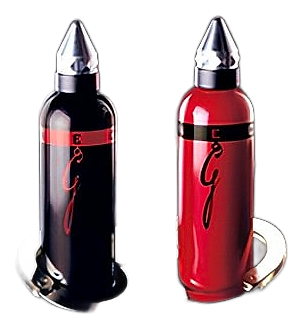
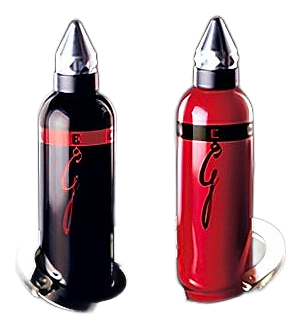
Neo Woman arrived in 2004 as Gattinoni's answer to a question the Roman house had been circling for years: what does modern sensuality look like in a bottle. The name borrows from neoprene, the industrial rubber Gattinoni had been working into their prêt-à-porter collections, a material that bends, holds shape, and refuses to behave like fabric is supposed to. The house translated that tension, structure pushing against softness, into a spicy-oriental composition built on orange, plum, and a heavy resin base. The red bottle, shaped like a metal capsule, isn't incidental. Red was the only honest color for a scent this unafraid of its own heat.
What's worth noticing is how the formula balances two different kinds of warmth. The heart runs on gourmand logic: vanilla, tonka bean, plum, cinnamon, the kind of sweetness that reads edible. But the base pulls hard toward chypre territory with patchouli, sandalwood, guaiac wood, and cedar backing it up. That tension between edible spice and smoky wood is where the fragrance lives. Most spicy-orientals of the 2004 era leaned either fully gourmand or fully resinous. Neo Woman refuses the choice and lets both registers fight it out on skin. The result is something that smells cooked and raw at the same time.
The evolution
The first ten minutes read bright and almost cheerful: orange zest sharpened by unspecified citrus, lifted and clean enough to cut through whatever's underneath. Then the heart takes over fast, faster than you'd expect from something this dense. Cinnamon arrives with actual heat, the prickly kind that sits on the tongue, while plum folds in underneath, jam-like and dark. Vanilla and tonka bean wrap the whole middle phase in something creamy and faintly boozy. By the two-hour mark the wood base has climbed up to meet the spice, and the two are arguing in the best possible way. Guaiac wood brings smoke. Cedar brings dryness. Patchouli brings the earthy, slightly bitter floor that keeps everything from floating off into pure sweetness. The drydown, what lasts from hour five onward, is all sandalwood and amber, a warm haze that softens the earlier aggression without erasing it. On fabric the next morning, the patchouli is still detectable, which tells you most of what you need to know about the composition's stamina.
Cultural impact
Neo Woman sits in a specific corner of the early-2000s spicy-oriental conversation: louder than the Middle Eastern-inspired vanillas crowding that era, drier than the gourmands trending in 2003, 2005. It reads as Italian sensuality rather than Arabian luxury, Roman warmth with a backbone rather than velvet. The red capsule bottle became a recognizable object to anyone who spent time in European perfume shops in the mid-2000s, and the scent itself developed a quiet following among wearers who wanted spice without syrup. Production appears to have been limited, which gives the fragrance a particular gravity: it's harder to find now than it was in 2004, and the people who remember it tend to remember it with some force.