
The Story
Why it exists.
The beginning
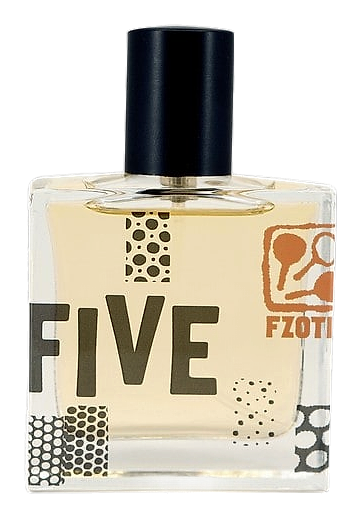
Five came from a painting. Not a metaphor, Bruno Fazzolari developed the scent in parallel with a series of canvases that feature cadmium lemon: bright, saturated yellows that hit the eye before the mind registers what they're seeing. The fragrance translates that immediacy into smell. The lemon opens like a flash of pigment. But Fazzolari wanted more than a quick hit. He looked back to eau de cologne, the 1700s accord that shifted perfumery away from heavy animalics toward something crisp and open. Traditional colognes fade fast. Five doesn't. The drydown stretches. The reference to the original modern perfumery accord becomes the point: a historical gesture toward lightness and composure, reimagined for the long haul.
The structure is deceptively simple, lemon, rosemary, woody notes. But the ratio matters. Where most fragrances rush through the top to reach the base, Five lets lemon breathe. Rosemary adds that green, slightly bitter edge that keeps citrus from becoming sweet. Then petitgrain, bitter orange leaf, bridges the two. By the time woody notes arrive, you're already committed. The mineral quality people describe in the drydown isn't a single note. It's the ghost of everything that came before, softened and sweetened by skin warmth.
The evolution
Lemon hits first, not sharp, but warm. Like lemonade poured over ice in direct sun. Thirty minutes in, the rosemary arrives. It's not loud. It doesn't argue with the citrus. It simply joins, adding that herbal backbone that stops the lemon from becoming candy. Petitgrain comes next, bitter, green, slightly medicinal in the best way. This is where Five stops being just a fresh scent and becomes something with structure. Then, around the two-hour mark, the base begins its long takeover. Woody notes emerge, not heavy cedar, not aggressive patchouli. Something softer. There is a mineral quality present in the drydown that lends an earthy depth, and the wood takes on a sweetness that feels intimate, shaped by your own skin chemistry. The citrus doesn't disappear; it recedes, becoming the memory of the opening rather than the present moment. This drydown lasts and lasts.
Cultural impact
Five occupies a specific niche: the citrus fragrance that refuses to apologize for lasting. It presents an interesting counterargument to what citrus fragrances are supposed to be, what they're supposed to do, how long they're supposed to stick around. The drydown longevity draws particular attention, since it so thoroughly contradicts expectations for the genre. That extended presence, that willingness to stay close and warm rather than vanishing within the hour, becomes the fragrance's defining characteristic.