The Story
Why it exists.
The beginning
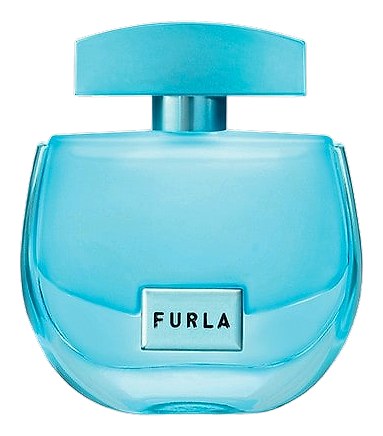
Unica arrived in 2022, designed by Nathalie Lorson for Furla. The name itself says something: singular, unique, unlike anything else in the collection. Furla's arch motif runs through the bottle design, a geometric signature borrowed from the house's leather goods, but the fragrance inside plays a different game entirely. The brief, according to the brand, was Italian spirit, care for detail, and something surprising. What emerged from that brief was a scent built around an unlikely pairing: pistachio and grains of salt. Not a combination anyone asked for. But unexpected is kind of the point.
The salt-and-pistachio pairing shouldn't work. Marine mineral versus edible nut, they pull in opposite directions. But heliotrope and jasmine bridge the gap, their powdery sweetness holding the contradiction together. Black pepper keeps the sweetness honest, adding a little bite that stops the pistachio from going full dessert. Tahitian vanilla and ambroxan form the base, warm and skin-close, while blond woods add just enough structure to keep everything from floating away. It's a composition that earns its surprises.
The evolution
Unica opens fast. Sea salt and black pepper arrive within seconds, the black pepper adding a quick spicy kick that makes the mandarin feel less ephemeral. The marine note holds for maybe twenty minutes before heliotrope and pistachio push through, soft, creamy, slightly sweet. Jasmine doesn't arrive all at once. It drifts in after the first hour, deepening the floral quality without adding weight. The drydown is where Tahitian vanilla takes over, warm and almost creamy, with ambroxan providing a clean skin-like warmth that outlasts everything else. On most skin types, expect 4-6 hours of presence before it fades to a quiet skin-close whisper.
Cultural impact
Furla's Unica arrived in 2022 as the brand's first gender-neutral eau de parfum, reflecting a broader shift in Italian luxury away from rigid gendered marketing toward fluid, inclusive identity expression. The fragrance captured post-pandemic cultural conversations around authenticity and self-care, positioning scent as personal ritual rather than social signaling. Its launch coincided with renewed interest in Mediterranean aesthetics across fashion and design, where warm terracotta tones, rustic textures, and sun-bleached landscapes dominated visual culture. The salted mandarin concept reflected growing consumer fascination with coastal minimalism and the Italian tradition of seaside wellness rooted in thalassotherapy and coastal escape.