The Story
Why it exists.
The beginning
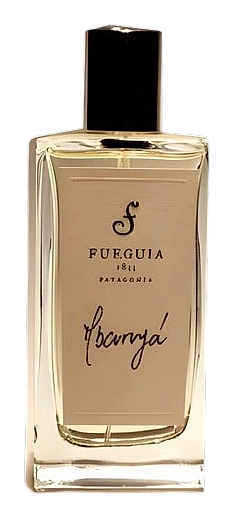
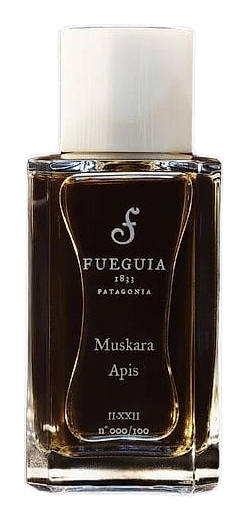
Most fragrances named after an animal lean on fur or feathers. Muskara Apis goes somewhere else entirely: into the hive itself. Released in 2017 by Fueguia 1833, the perfume takes its name from the brand's Muskara collection paired with 'Apis Mellifera,' the Western honey bee. Julian Bedel, the perfumer and nose behind the house, composed Muskara Apis from botanical varieties produced by Apis mellifera, a working collaboration between pollinator and plant that gives the raw materials a particular chemistry. The Muskara collection draws on these living origins, and the result is a composition that traces the relationship between bee and blossom with uncommon specificity.
What gives Muskara Apis its particular character is the layering around the honey accord. Jasmine, magnolia, rose, and ylang-ylang form a dense floral structure, while palo santo and sandalwood bring a woodsmoke depth from below. Cassis introduces a tart fruit note that keeps the sweetness from tipping into syrup. Labdanum contributes an amber weight that anchors the whole composition. The result is a honey-forward scent that pulls in multiple directions: sweet but slightly bitter, warm but lifted by fruit, floral without ever feeling powdery. The bee is not decorative here.
The evolution
The first minutes are fruit and resin. Blackcurrant arrives with a tart, almost bruised sweetness, then the honey deepens, pulling palo santo in behind it like smoke that decided to linger. The floral layers settle in gradually: jasmine first, then magnolia and rose spreading a creamy warmth that softens the earlier sharpness. The sandalwood is consistent throughout, quietly structural, the kind of wood you notice more when it disappears than when it's present. As the hours pass, the composition leans fully into its amber base. Labdanum holds the honey in place while the woods settle, and the florals recede into a soft hum. What remains on skin the next morning is a close, warm trace: honey-skin sandalwood, faint fruit, the memory of flowers a few hours earlier. The late hours feel intimate, a scent that prefers closeness over projection.
Cultural impact
Muskara Apis sits within the Muskara sub-collection, a grouping within Fueguia 1833 that draws on materials shaped by living systems. The fragrance reads as intellectual without being cold, an approach that has drawn attention from collectors interested in botanical specificity. Rather than functioning as a simple honey-sweet perfume, it captures something more process-oriented, closer to the working language of a hive than a dessert plate. One wearer described it as a bee queen drenched in classy honey nectar, a line that captures the regal, amber-laced quality many find here.