
The Story
Why it exists.
The beginning
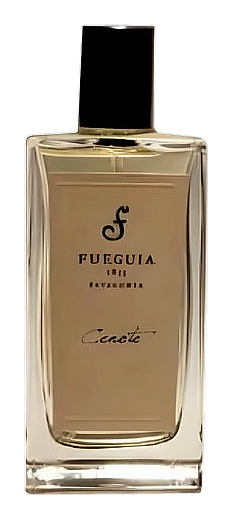
Julian Bedel named Cenote for the sacred sinkholes of the Yucatán, natural wells where rain filters through limestone over centuries, gathering mineral depth before pooling in underground chambers. The Maya considered these sites thresholds between worlds. Bedel's translation into scent follows that descent: a fragrance that begins at the surface, then moves downward through layers of tropical warmth before arriving at something elemental. It was composed in 2016, part of an ongoing investigation into how place becomes memory becomes smell.
Frangipani and ylang-ylang together create an almost physical sensation of tropical heat. But the mineral water quality of Cenote's opening, that cool, aqueous lift, prevents the composition from reading as merely warm or sweet. It introduces a subterranean register. The ylang-ylang settles into something dense and buttery, but always with the mineral thread running beneath. Tahitian vanilla and jasmine in the base shift the warmth downward, into something close and intimate rather than projecting. That's the key move: a tropical floral that smells like it's been filtered through stone.
The evolution
The opening hits with mineral clarity, cold water, the smell of something aqueous. The frangipani enters almost reluctantly, less like a typical tropical blossom and more like something living. Within twenty minutes, the ylang-ylang takes over, thick and tropical, but the mineral water presence doesn't disappear. It keeps everything grounded, meditative rather than languorous. The jasmine arrives in the drydown phase with something skin-like, intimate. Vanilla follows, not sweet exactly, warm, like water that has been sitting in warm stone. Cenote settles close to the skin and stays there for six to eight hours. Moderate sillage throughout. The wearer becomes aware of it in waves rather than as a constant presence. On fabric the next day: a trace of jasmine and mineral warmth, like fabric dried in open air after rain.
Cultural impact
Cenote sits at an unusual intersection: tropical florals typically belong to a bright, accessible register, yet Fueguia 1833's positioning keeps it in contemplative, discovery-driven territory. The fragrance appeals to those who find conventional tropical compositions too literal, too much beach, not enough depth. Cenote redirects that energy downward, into something mineral and still. It's earned a small devoted following among niche collectors precisely because it refuses the obvious path.