The Story
Why it exists.
The beginning
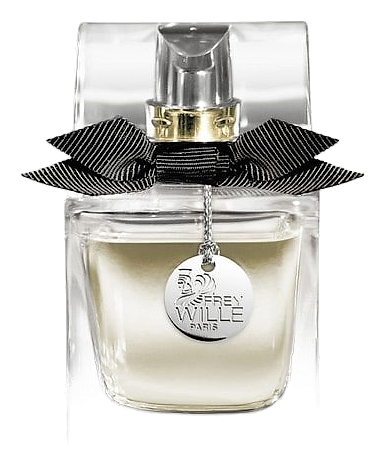
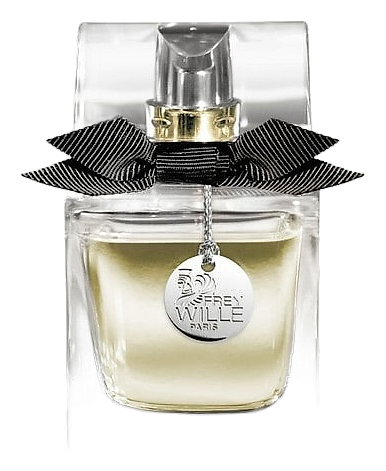
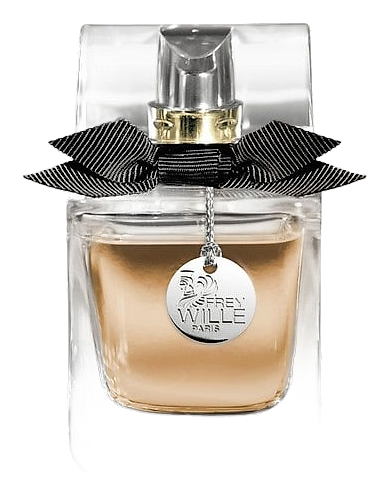
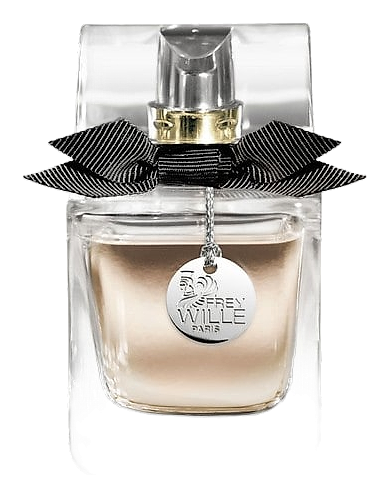
Sphinx Rose arrived in 2015 as part of Frey Wille's Sphinx name. Its composition places Damask rose at the center, surrounded by freesia, peony, lily, amber, vanilla, sandalwood, and musk. Rather than presenting rose as a clean, isolated floral accord, the fragrance gives it a warmer and more textured setting. Rose meets cool floral freshness, then settles into a resinous-animalic character shaped by amber, vanilla, sandalwood, and musk. The result feels intimate and dimensional, with the flower carrying both softness and depth. Sphinx Rose is a floral fragrance built around contrast: dewy and rounded at first, warmer underneath, and quietly expressive in its composition.
What makes Sphinx Rose interesting isn't the rose alone. Damask rose may be familiar, but here it is surrounded by freesia, peony, lily, amber, vanilla, sandalwood, and musk. The composition pairs the flower with amber, vanilla, and sandalwood, giving the rose a warm, resinous foundation. Lily adds a green-cream quality, while musk contributes a soft skin-like dimension. The accord is described as resinous-animal, a phrase that suggests warmth and instinct rather than polished freshness. In practical terms, the rose isn't suspended in a blank floral space.
The evolution
The composition moves from a floral opening into a warmer, more resinous impression. Damask rose, freesia, and peony form the main floral impression, with the rose appearing full and dewy while freesia and peony add freshness around it. As the listed base notes become more present, amber and vanilla soften the structure with warmth, and lily contributes a creamy, slightly green texture. Sandalwood gives the composition a smooth, grounded character, while musk adds a close, skin-like layer. The floral accord gradually becomes less about freshness and more about texture, warmth, and depth. Rather than moving in a clearly documented linear sequence, Sphinx Rose reads as a composition that can reveal different balances of rose, woods, amber, vanilla, lily, and musk as it settles on skin.
Cultural impact
Sphinx Rose occupies a quiet corner of the rose-fragrance landscape. Its appeal comes from the contrast within the composition rather than from rose presented as a simple, standalone floral accord. Damask rose is joined by freesia and peony, then grounded with amber, vanilla, sandalwood, lily, and musk. The result feels layered and deliberate, moving between freshness and warmth. For wearers who want a rose with more character, Sphinx Rose offers a compelling alternative: floral, resinous, softly sweet, and slightly animalic.