Heritage
A house, in its own words
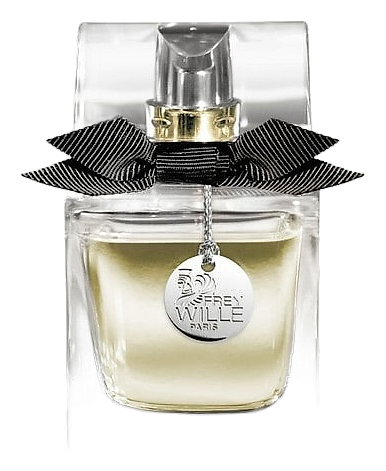
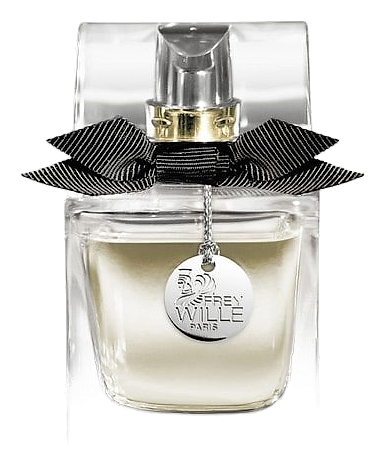
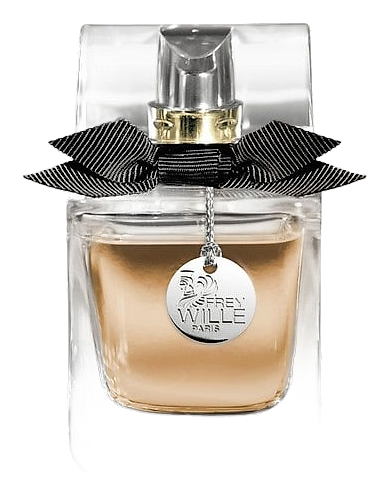
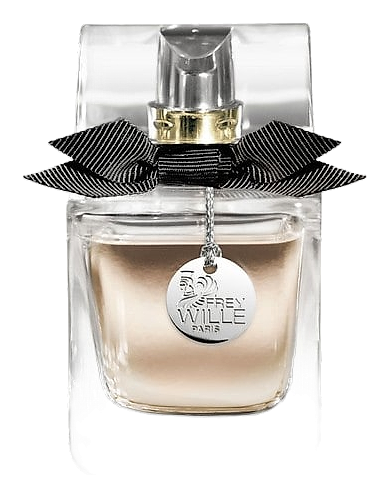
Frey Wille’s story is closely associated with Austria and with the idea of fragrance as a personal emblem. The house grew from a jewelry business founded by Franziska and Gustav Wille in 1973. Before developing its own fragrances, Frey Wille established itself in fine jewelry and object design, creating pieces intended to mark personal milestones and express identity through precious adornment. That background shaped the company’s later fragrance work. Instead of treating perfume as a separate cosmetic category, Frey Wille translated the language of jewelry into scent, using bottles with the presence of small precious objects and fragrances designed to become part of an individual’s visual vocabulary. The company’s Austrian identity also links it to Vienna’s broader tradition of applied arts, decorative design, and refined object making. A major chapter began in 2015 with the launch of the Sphinx line. The four scents introduced at that moment, Sphinx Magique, Sphinx Rose, Sphinx Innocent, and Sphinx Mystique, gave the house a distinct fragrance portfolio built around complementary expressions of femininity, sensuality, purity, and mystery. The Sphinx name and imagery became central to the brand, not simply as a product label but as a complete design concept. This combination of jewelry heritage, Austrian design culture, and elaborate presentation explains why Frey Wille is often discussed as much for its objects as for its perfumes. The available research does not provide a reliably sourced founding account for a separate earlier perfume house, nor does it identify a long-standing succession of master perfumers. It is safer to understand Frey Wille as a fragrance house that grew out of an established jewelry and accessories business, rather than to attach an unsupported centuries-old history to the brand. Frey Wille’s creative vision begins with the belief that fragrance can function as a personal signature. The house does not present scent as an invisible finishing touch. It treats a perfume as an object of identity, something selected to communicate a mood, a ritual, or a particular relationship with oneself. This philosophy grew naturally from the company’s jewelry origins. A jewel can mark an occasion, symbolize affection, and become part of the body’s appearance. Frey Wille applies the same intimate logic to fragrance, imagining scent as an intimate accessory that can be worn, remembered, and connected to meaningful experiences. The Sphinx collection gives this idea a theatrical frame. Each fragrance represents a different emotional register, while the unified series allows customers to build a wardrobe of related scents. The approach favors atmosphere and visual coherence over a casual, purely functional presentation of perfume. It also gives the wearer room to perform and reinterpret the scent, since the object carries meanings that can change with context. The brand’s design sensibility is central to this philosophy. Bottles, caps, packaging, and names work together to create a recognizable world. That attention to the complete object makes the product especially appealing to collectors and design-conscious customers, while also distinguishing it from fragrances marketed only through notes or olfactory trends. No independently verified source in the supplied research identifies the perfumers responsible for the original Sphinx releases, so the house’s contribution is better understood through its documented concept, product range, and origin in jewelry design.