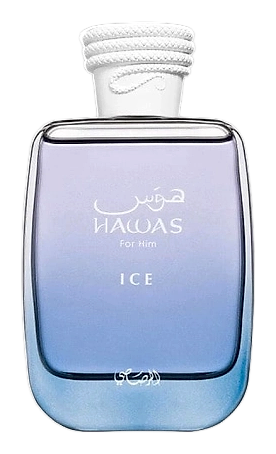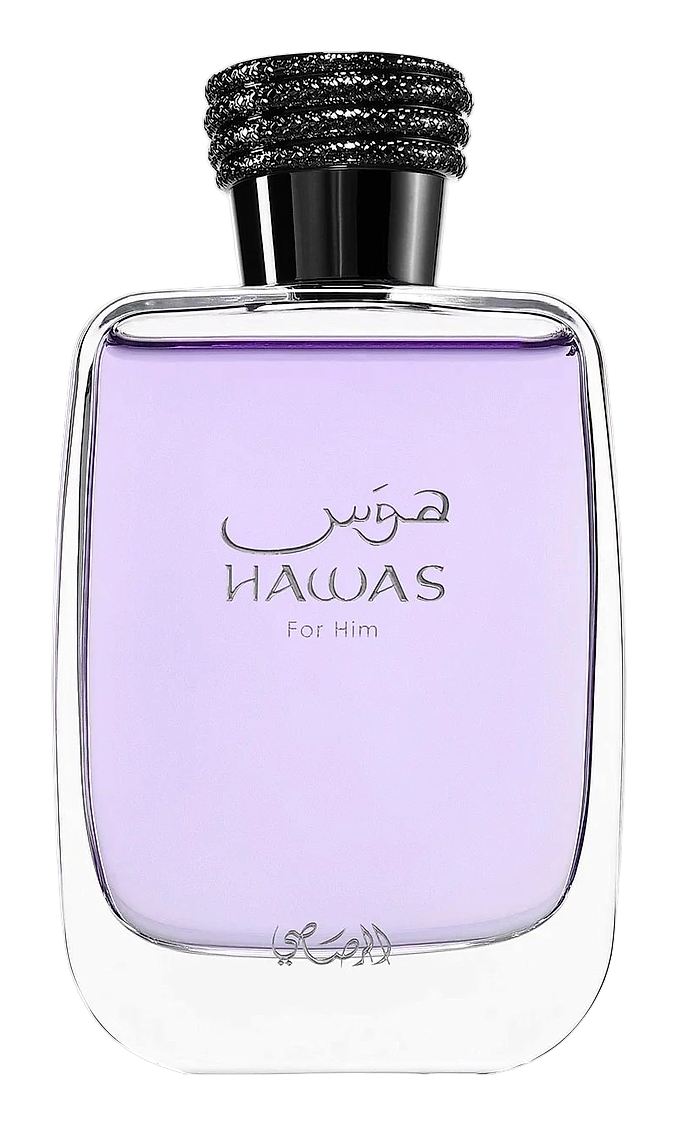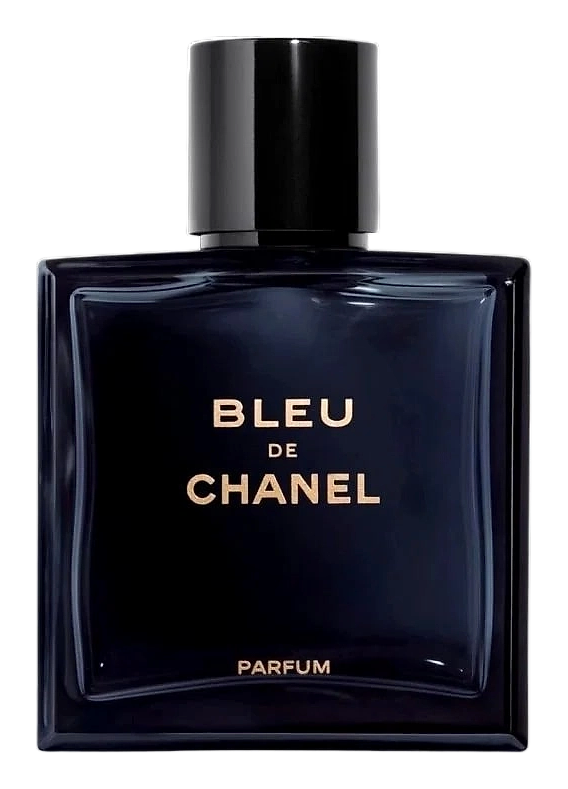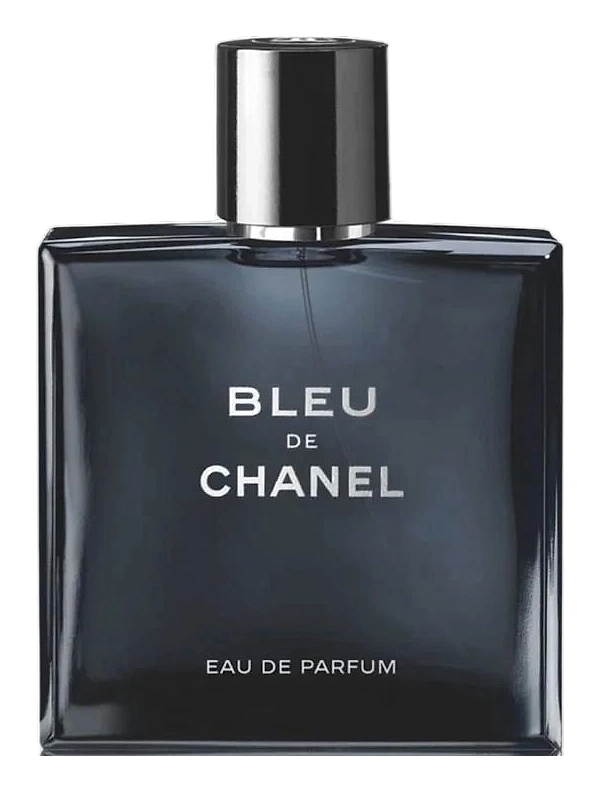
The Story
Why it exists.
The beginning
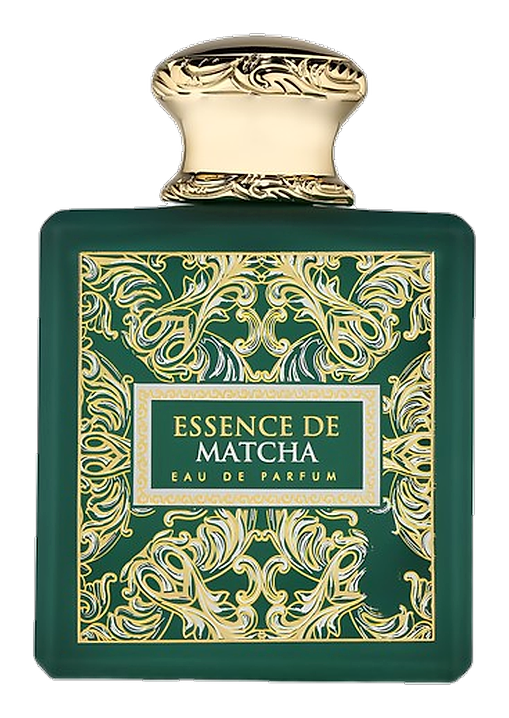
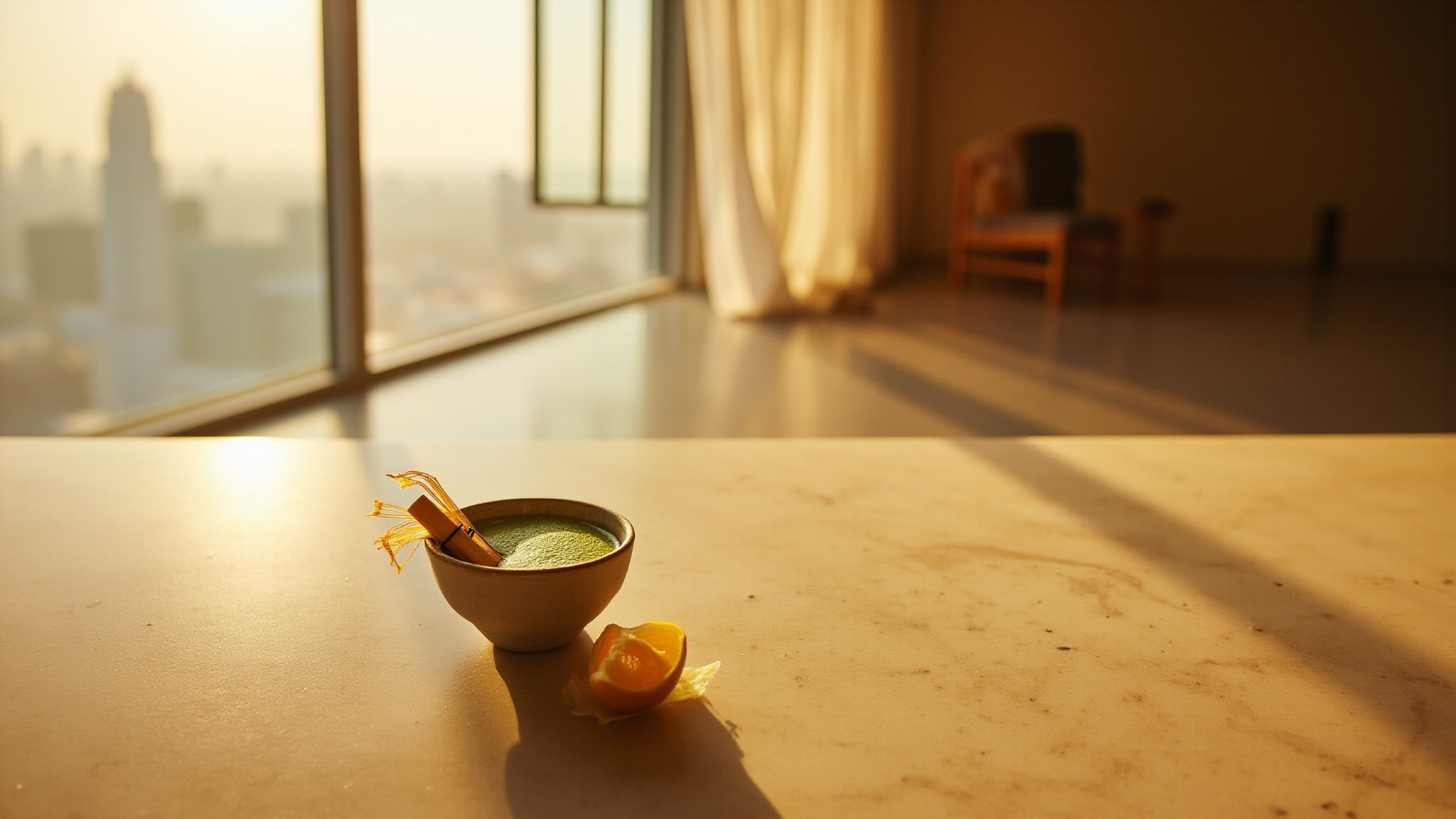
Matcha arrived in perfumery quietly, without the fanfare that usually accompanies an ingredient. It didn't need it. The scent of matcha is already a ceremony, that fine green powder whisked into hot water, the ritual of it, the hush that falls over the room when someone's making it properly. The brand took that feeling and asked: what if you could wear it? Not the drink, not the spa, but the hush. The pause. The green calm of it, translated into something that stays on skin for more than an afternoon. There is something inevitable about this fragrance. It captures the meditative quality of the matcha ceremony, the way a fine green powder can transform a moment into something deliberate, something attentive. The fragrance doesn't shout or demand attention.
What makes this composition interesting isn't any single note, it's the way the matcha is framed. The osmanthus adds a honeyed apricot nuance that keeps the green from going clinical, softening it into something that feels almost edible without becoming sweet. The fig, present in the top notes, introduces a slight milky quality early on, a softness that bridges the sharp citrus opening and the deeper woody drydown. The real skill is in the proportioning. The matcha doesn't dominate; it anchors.
The evolution
The first twenty minutes belong to the citrus. Orange and lemon arrive in quick succession, sharp and clean, the kind of opening that feels like an introduction rather than a statement. Then the fig softens everything, adds a slight creaminess that keeps the citrus from feeling too clinical. By hour two, the matcha has taken over. This is the heart of the fragrance, not the bright top notes, not the woody base, but this middle passage where the green tea sits quietly alongside apricot and osmanthus. It smells like a specific moment: the second cup, the one brewed weaker because the first one was too strong, the one you sip while the morning settles. The drydown is where it earns its sandalwood. Hours three through six, the woody base quietly expands, cedar and sandalwood blending into a soft, warm skin-scent that doesn't demand attention. It's the kind of drydown that someone standing close to you might notice before you do, intimate, persistent, requiring proximity to fully appreciate.
Cultural impact
Matcha has become a defining note in contemporary perfumery, its appeal rooted in qualities that feel increasingly rare: calm, contemplation, the suggestion of a pause in a world that rarely offers them. The ingredient reads as meditative, almost spiritual, qualities that attract people who want their fragrance to suggest something beyond the immediately obvious. There's a growing audience for this kind of scent, people who've grown tired of fragrances that announce themselves loudly and want something that asks them to lean in instead.