The Story
Why it exists.
The beginning
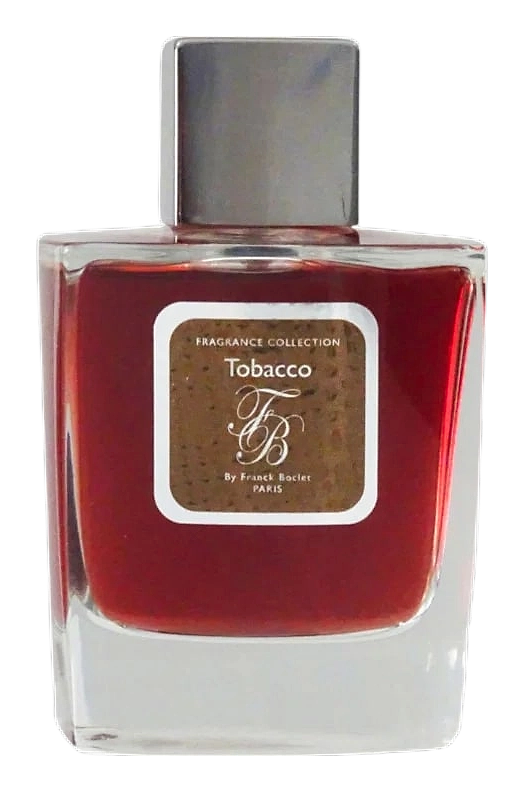
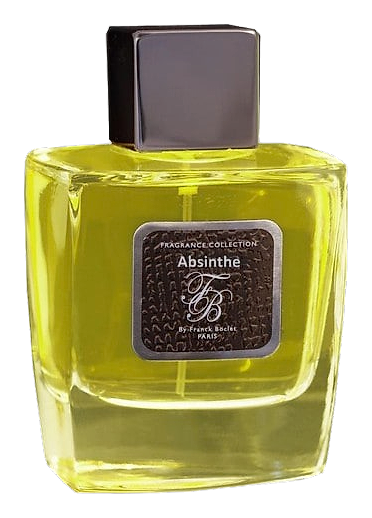
Absinthe by Franck Boclet takes its name from the legendary green liqueur that haunted European art circles for a century before the ban lifted in 2000. Boclet, a Paris-based designer who built his fashion house on statement pieces and untucked edges, turned to perfumery in the early 2010s, and brought that same confrontational sensibility. Absinthe the fragrance doesn't flinch from absinthe the myth. It opens bitter, stays herbal, and refuses to sweeten itself for approval. Launched in 2015, it sits in a collection alongside Tobacco, Cocaïne, and Ashes, fragrances that make no attempts at diplomacy.
The wormwood (listed as vermouth on most databases) is the tell. That's the compound that made absinthe infamous, thujone, the alkaloid that allegedly sent drinkers mad. Here, it's not hidden or softened. It's the structural element around which everything else arranges itself. Green mandarin and lavender open bright and aromatic, but the wormwood keeps them honest. In the heart, heliotrope adds a powdery softness while rhubarb brings tartness that mirrors the original's anise character. The base, amberwood, leather, vetiver, is where the fragrance earns its complexity. Dry, earthy, with a leather warmth that settles into skin over hours.
The evolution
The opening hits immediately: green mandarin's citrus sparkle against lavender's herbal breadth, with wormwood's bitterness cutting through like a cold glass. That first 15 minutes is the green fairy's arrival, sharp, botanical, almost medicinal. Then the mandarin fades and heliotrope rises, pulling the composition toward powder and softness. The rhubarb adds a tartness that keeps it interesting, refusing to let the heart turn sweet. Around the 30-minute mark, the leather begins to show itself, subtle at first, mixing with vetiver's earthy warmth. By the second hour, the drydown is fully in control: amberwood and leather dominate, with vetiver lingering beneath. On most skin types, this holds for eight to ten hours. The sillage is moderate, present in the first hour, then intimate. What remains the next morning is vetiver and a ghost of leather. Not loud. But still there.
Cultural impact
Absinthe fragrances draw from a rich history of the emerald spirit that captivated artists and writers in late 19th-century Paris. The distinctive green color and anise-forward profile became synonymous with bohemian culture, inspiring painters like Van Gogh and writers like Baudelaire. This connection between absinthe and creative expression laid the groundwork for how we perceive herbal, anise-forward scents today. Modern fragrance creators tap into this legacy when crafting green fragrances that carry an air of artistic rebellion and sophistication.