The Story
Why it exists.
The beginning
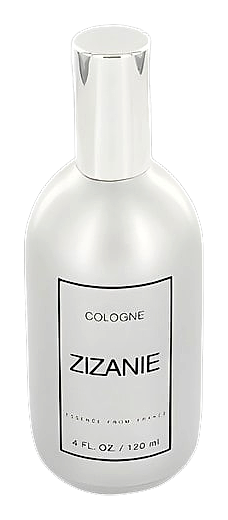
Zizanie landed in 1932. Two notes carry the whole composition: sandalwood and patchouli, the kind of skeleton structure that lets good materials do all the talking. No citrus fanfare, no modern cologne gymnastics. Just a warm-spiced, powdery accord that smells like barbershop chairs and feels like wearing something inherited. The sandalwood arrives with that creamy, almost milky softness that good Mysore stock carries, settling into the skin with a quiet warmth. Patchouli wraps around it, earthy but restrained, pulling toward cocoa and sweet tobacco rather than the damp, green leaf some compositions chase. Together they create a dustiness that's comforting, the kind of texture you'd associate with talc, old paper, or the inside of a cedar drawer. The accord doesn't try to impress you.
The interesting thing about Zizanie is what it doesn't do. The formula goes straight to the materials that carry weight: sandalwood's creamy warmth and patchouli's earthy, slightly sweet depth. The patchouli here reads more like the dry, fermented leaf aged in bales than the bright, green variety, and the sandalwood has that buttery, almost lanolin quality that makes the blend feel nourished rather than thin. The combination produces a powdery veil, soft and close, that doesn't announce itself so much as settle into your clothing and hair.
The evolution
Zizanie doesn't perform an arc so much as it settles. From the opening, the patchouli announces itself, earthy and slightly sweet, with a warmth that reads more spice cabinet than damp soil. Within the first twenty minutes, the sandalwood rounds in, softening the patchouli's edges without dulling them. There's a powdery quality that emerges as the two notes find each other, the kind that makes the air around you feel pressed and clean. The heart phase holds steady for hours, neither growing louder nor fading into background. By the four-hour mark, the composition has deepened rather than diminished. The patchouli takes on a warmer, almost amber quality while the sandalwood keeps the texture creamy rather than dry.
Cultural impact
Zizanie sits in a specific corner of fragrance history: the pre-fougère masculine that prioritized warmth over freshness. Wearers compare it to classic barbershop sandalwoods like Arden Sandalwood and Kanon, drawing a lineage that runs through powdery, patch-driven compositions prized for their restraint. The scent reads as quietly authoritative, the kind of fragrance that doesn't need to announce itself to register. Its reputation has carried through decades of reformulations and shifting trends, largely because the formula itself hasn't chased novelty.