The Story
Why it exists.
The beginning
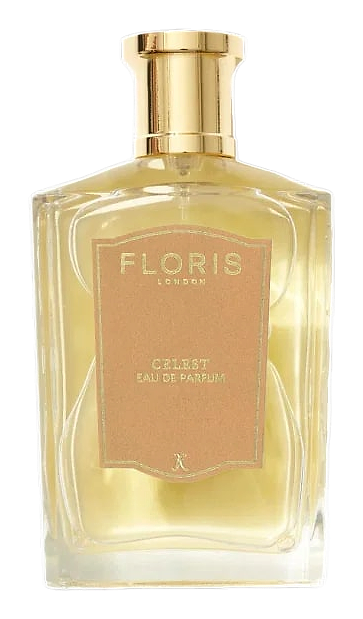
Celest arrived in 2026 as Floris's latest composition, built around a single note at its center: English chamomile. The choice is deliberate. Chamomile carries a calm, almost meditative weight, the kind of herbal softness that feels more associated with tea cups and quiet mornings than with conventional perfumery. It leads the composition with a clarity that doesn't apologize for itself. The scent sits in that space between skin care and fine fragrance, closer to a botanical essence than a constructed accord. Floris has positioned Celest as something you reach for instinctively, a personal gesture rather than a display piece.
What makes Celest worth a second look is how the chamomile behaves alongside its companions. Roman chamomile opens with that familiar, slightly sweet quality, but here it gets pulled toward warmth by balsamic resins and davana. Davana adds a layer of complexity that shifts the chamomile's character, moving it away from the sleepy, bedtime associations it often carries. Paired with honey and cedarwood, the composition takes on something sturdier, almost architectural. The resinous base, built on opoponax and ambergris, keeps the whole thing from floating away.
The evolution
The first ten minutes are all Roman chamomile and bergamot. Clean, almost tea-like. The bergamot is a whisper, not a statement, just enough to brighten the chamomile's herbal edges. Then the davana arrives, and the whole composition tilts. The honey note thickens the air. Cedarwood grounds the heart with a dry, pencil-shaving warmth. As the hours pass, the balsamic resins take over. Opoponax brings a sweet, almost medicinal depth, the kind of low warmth that settles into skin rather than sitting on top of it. Ambergris does what it does best: lifts everything into a soft, skin-like musk that lingers through the evening. The drydown stays close, personal, and unhurried, more about texture than projection.
Cultural impact
Celest arrives as part of Floris's contemporary lineup, a composition that centers on chamomile's particular character rather than chasing the louder trends in modern perfumery. The scent leans into the herbal quietness that chamomile offers, the kind of fragrance that feels best appreciated slowly. Wearers have likened it to chamomile tea, a comparison that captures its gentle, rounded warmth without overstatement. The composition rewards patience, offering layers that unfold across hours rather than announcing themselves all at once. In a market full of bold statements, Celest finds its territory in stillness.