The Story
Why it exists.
The beginning
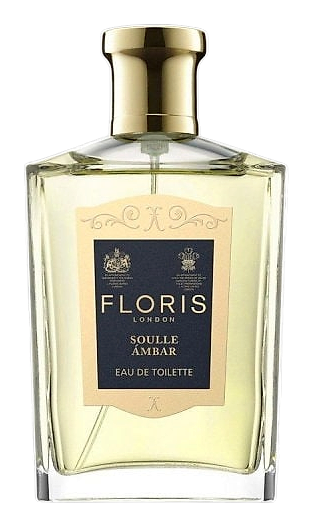
Soulle Ámbar draws from the Balearic roots of Floris founder Juan Famenias Floris. Eastern winds off the Mediterranean shaped its character. Soulle translates from Spanish as both sunlight and eastern wind, a word that suggests light moving across open water. Ámbar completes the picture, bringing depth to the brightness. This is the Mediterranean spirit captured in a bottle.
The composition balances contrasting elements: pineapple's tropical sweetness meets galbanum's green sharpness. Lentisque bridges these, adding herbal complexity. Jasmine forms the heart, while geranium and pink peppercorns introduce sophisticated nuances. The base combines vanilla's warmth with amber's richness, grounded by musk that keeps the scent close to the skin.
The evolution
The opening arrives with confidence: pineapple bright and crisp, galbanum lending an immediate green cut that prevents the tropical note from reading as simplistic. Bergamot adds citrus sparkle to the top, but it's the lentisque that transforms the green into something more resinous, less lawn, more coastal herbs. The heart opens: jasmine appears first, creamy and familiar, then geranium introduces its green-rose character, and pink peppercorns appear as a slight tingle. The transition isn't dramatic, it's a slow shift from bright to warm. The base takes over as vanilla emerges first, then amber, and finally musk settles into skin. The drydown is intimate and close, lasting through the evening but never projecting more than arm's length. What lingers the next morning is a faint warmth, amber and skin, the ghost of something sunlit.
Cultural impact
Soulle Ámbar exists at an unusual intersection of British heritage and Mediterranean spirit. Floris London's Jermyn Street perfumery built its reputation on restrained English elegance. The Ledger Series marked a creative departure into bolder territory, borrowing resinous aromatics typically associated with southern European perfumery. The fragrance incorporates challenging green notes like galbanum, which mainstream houses typically avoided. Its composition speaks to a willingness to position British craftsmanship alongside warm resinous traditions, creating something that feels both familiar and unexpected.