The Story
Why it exists.
The beginning
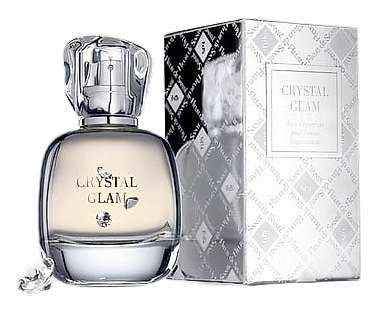
Crystal Glam l'Amour arrived in 2012, when the Fleur de Sante house was building its catalog of intimate, character-driven compositions. The name says glamour but the composition says something more specific, a love story with complications. Schaller worked within the house tradition of pairing classic materials with unexpected structure, creating a fragrance that felt both familiar and slightly off-center, the kind of scent you'd recognize on someone and want to ask about.
What makes the structure interesting is how the chocolate operates. It doesn't announce itself in the opening or even the heart, it surfaces only as the florals begin to settle, adding a bitter-sweet counterpoint to the rose. Patchouli grounds this with its earthy, slightly dry character, preventing the composition from tipping into dessert territory. The neroli and orange blossom in the opening are bright enough to catch attention, but the real craft is in the transition: a handoff from flirtation to something with more substance, guided by materials that know when to step back and let others lead.
The evolution
This is the fragrance's most distinctive phase, the part you'll recognize hours later. Patchouli holds the base steady, preventing the composition from disappearing into sweetness.
Cultural impact
Crystal Glam l'Amour arrived during a period when niche perfumery was gaining mainstream traction in Western markets. The 2012 release from Fleur de Sante reflected a broader cultural shift toward personalized scent profiles over mass-market signatures. The fruity-floral-warm structure tapped into romantic nostalgia while the chocolate-amber base aligned with early 2010s preferences for edible, skin-like drydowns. As niche houses proliferated, fragrances like this one helped establish the expectation that scent could be a form of self-expression rather than mere olfactory hygiene.
The House
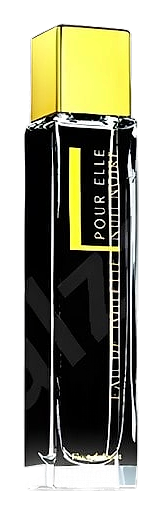
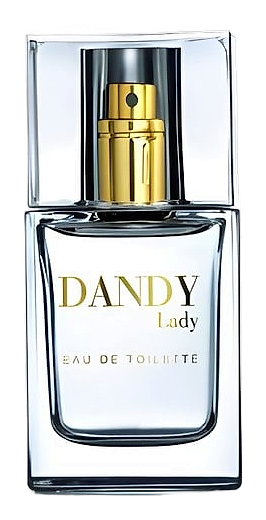
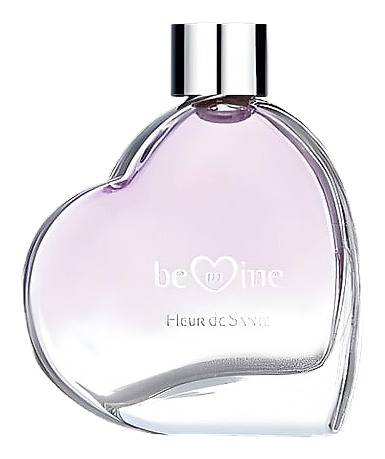
Fleur de SanteFleur de Sante presents itself as a niche fragrance house that curates scents for moments of quiet confidence. The portfolio includes H Pour Homme, Sensual (2009), Dandy Lady (2010), Fallen Angel (2000), Soirée, Snow Pearl, L Pour Elle, Femme, Alva and Exuberance. Each bottle carries a name that hints at a story, and the brand positions the collection as a toolbox for personal expression. While the company does not dominate mainstream retail, it has attracted a modest following among collectors who appreciate the balance of classic accords and contemporary twists. The brand’s communication is understated, letting the aromas speak louder than any headline.
The Creator
Vincent SchallerSchaller's olfactory signature resists easy categorization, though his work consistently displays structural clarity and material richness. He gravitates toward warm woods, particularly sandalwood and cedar, and pairs them with animalic bases of natural and synthetic musks.