The Story
Why it exists.
The beginning
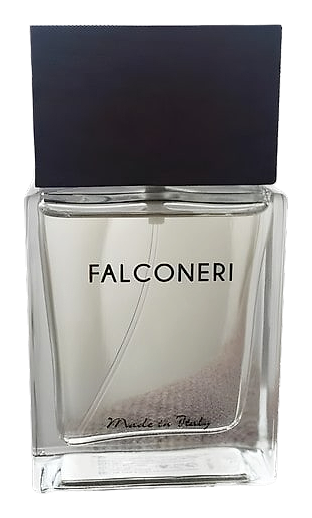
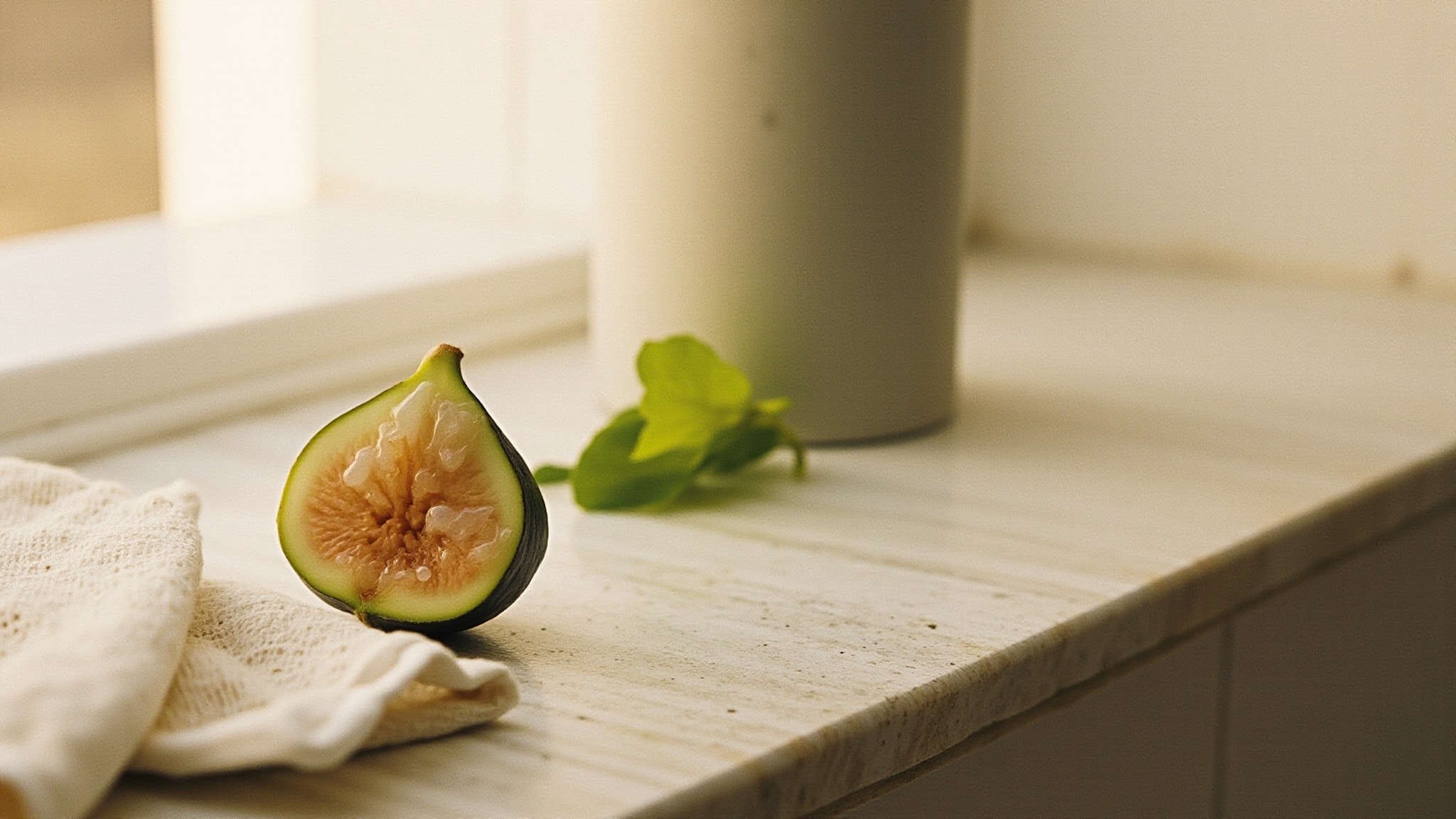
Fico means fig in Italian. The name says everything. Falconeri launched in 2014 with three fragrances, Ambra, Elicriso, and Fico, each built around a single Mediterranean note. Olivier Cresp designed Fico to do one thing: let fig speak without apology. No sugar coating, no competing sweetness. Just the fruit, its leaves, and the milky green scent of the tree itself.
What makes Fico work is what it refuses to do. Most fig fragrances chase the creamy, lactonic sweetness of the fruit, that warm, almost coconut-like quality. Fico goes the other direction. Green Notes anchor the composition with an herbal, slightly bitter backbone that keeps fig honest. Musk adds warmth without softness. The result is fig as it exists in nature, not fig as a concept. This makes Fico a quieter proposition than its peers, specific in its simplicity, appealing to those who want authenticity over embellishment.
The evolution
The opening announces fig's greenest self immediately, that milky, slightly acrid sap note that lives in the stem and leaves. It arrives crisp and vegetal, no apology for its rawness. Within minutes, the green settles into something softer. The fruit emerges, still not sweet, still not creamy in the way you'd expect. More like the flesh than the milk. Musk threads through, keeping everything close and warm against the skin. The drydown strips down further. What remains is the fig accord, quieter now, more memory than presence. It holds close for the remaining hours, intimate and unspectacular. Fico doesn't evolve dramatically. It just stays.
Cultural impact
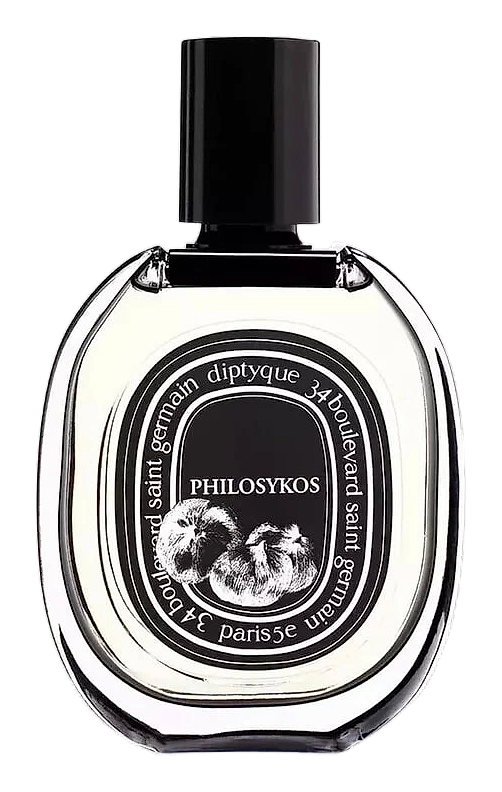
Fico sits in a crowded fig lane. Diptyque's Philosykos (2012) owns the green-diptique interpretation. Byredo's Inflorable Suede (2013) plays elsewhere. Fico's position is more specific: it targets the wearer who wants fig without the cream, without the coconut, without the gourmand lift. That person exists. They tend to prefer honesty over performance. Fico rewards them.