

Heritage
A house, in its own words
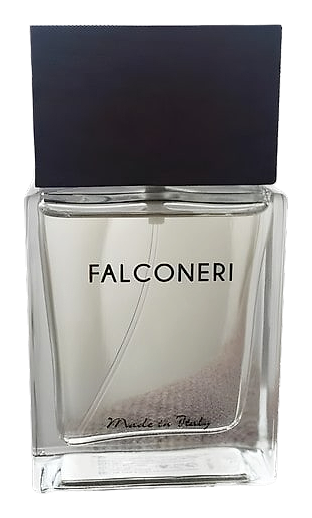
Establishing a comprehensive heritage narrative for Falconeri proves challenging given the limited publicly documented history available. What can be confirmed is that the brand released its initial fragrance collection in 2014, consisting of three distinct scents: Ambra, Elicriso, and Fico. Beyond these initial releases, the documented origins of the house remain unclear in accessible public sources. The brand name itself, Falconeri, suggests Italian origins, fitting within the tradition of Italian fashion and luxury goods houses that have frequently extended into fragrance creation. Italy has a particularly rich history in perfume production, dating back centuries to the Renaissance courts where aromatic preparations were status symbols and medicinal tools alike. The choice of fragrance themes in Falconeri's debut collection aligns with this heritage: amber connects to ancient Mediterranean trade in precious materials, helichrysum reflects the Mediterranean flora that has inspired perfumers for generations, and fig captures the agricultural landscape of the Italian peninsula. Without more detailed corporate history or founder interviews in the public record, any heritage claims beyond the verified 2014 debut and Italian geographic association would be speculative rather than factual. The publicly available information regarding Falconeri's creative philosophy and brand values remains sparse, making it difficult to present a definitive statement of their approach to perfumery. The three fragrances released in 2014 provide the most concrete evidence of the brand's aesthetic direction. The selection of Ambra, Elicriso, and Fico as debut scents suggests an emphasis on accessible, broadly appealing interpretations of classic fragrance categories. Amber notes typically offer warmth and sensuality, helichrysum brings bright, herbaceous qualities, and fig provides the creamy, green duality that has become a modern classic. This lineup indicates a strategy of offering recognizable scent profiles rather than avant-garde compositions. The Mediterranean geographic implications of the brand name further suggest an alignment with the lightness, naturalism, and warmth associated with Italian olfactory traditions. Without documented statements from the brand's founders or creative directors, any deeper philosophical claims about their values, process, or vision remain unverifiable and should not be presented as established fact.