The Story
Why it exists.
The beginning
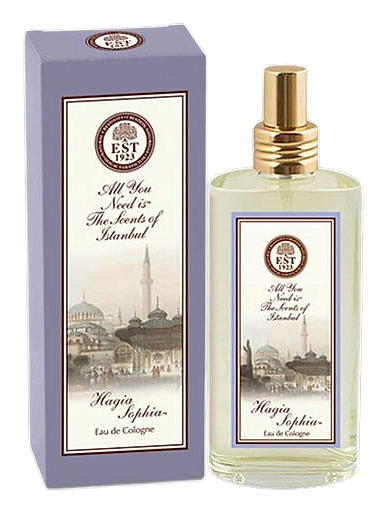
Hagia Sophia by Eyüp Sabri Tuncer arrived in 2015 as part of a collection the Istanbul house built around the city's landmarks and gardens. The fragrance takes its name from one of the city's most iconic structures, the building whose domes and minarets shape the skyline on both sides of the Bosphorus. Hagia Sophia sits firmly within a lineage of place-rooted scent work that interprets Istanbul through its streets and monuments. The intent reads as local first, a house composing in its own register rather than translating for outside expectations, offering one of the most photographed buildings on earth through the medium of scent.
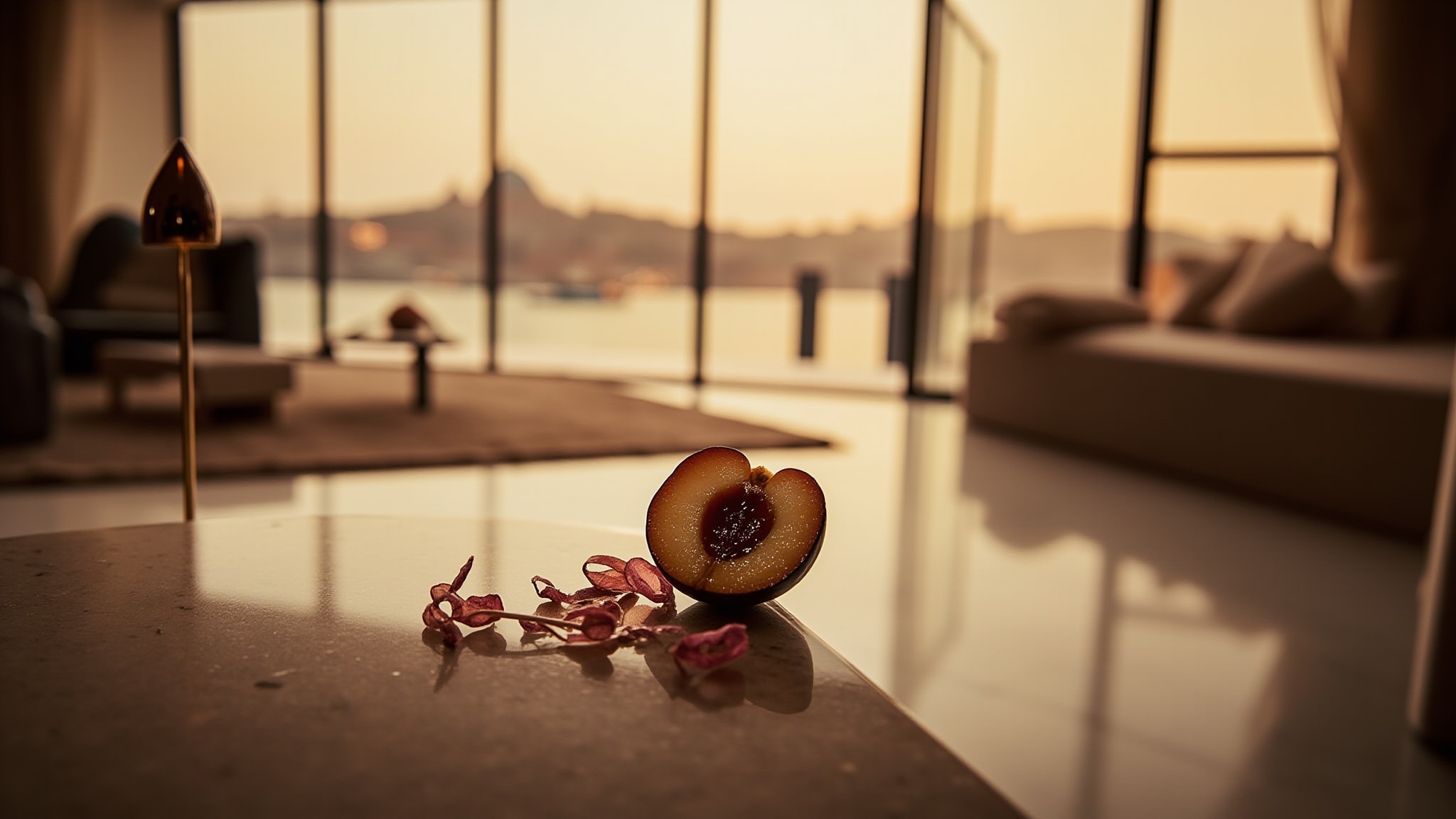
The composition is deliberately simple, and that's the point. Plum and rose up top, then amber, patchouli, musk, and sandalwood underneath, with no middle notes listed. That missing middle is where the magic happens. The fruit and the florals meet the resins and woods head-on, skipping the polite transitional bridges most Western perfumery insists on. The rose here doesn't smell powdery or soapy; it smells grown, dense and slightly fermented in the way real petals carry weight.
The evolution
The first ten minutes are almost rude in their directness. Plum hits dark and bruised, sticky-sweet, with a faint medicinal edge underneath that comes from the rose already introducing itself. By the twenty-minute mark, the fruit calms and rose takes the center, heavier and spiced slightly, almost jammy where it meets the plum residue. The transition into the base is gradual rather than dramatic. Around the ninety-minute mark, the amber and patchouli arrive as a single warmth, replacing the sweetness with something resinous and grounded. Sandalwood smooths the texture underneath, and musk keeps everything close to skin, never lifting off into the surrounding air. The drydown that lingers from hour three through hour six is the real Hagia Sophia: warm wood, faint sweetness, and a powdery softness that reads as skin rather than perfume.
Cultural impact
Hagia Sophia joins a lineup of landmark-titled compositions from the same Istanbul house, sitting alongside other recognizable place names in the brand's portfolio. For wearers, the appeal is the rose anchored by something heavier, grounded in patchouli and amber rather than floating alone as a soliflore. The local provenance gives it an authenticity that imported compositions often miss, since the perfumer is working in the same air as the building being celebrated. There's no translation tax here, no museum-shop pasteboard, just a direct scent that assumes the wearer already knows the city.