
The Story
Why it exists.
The beginning
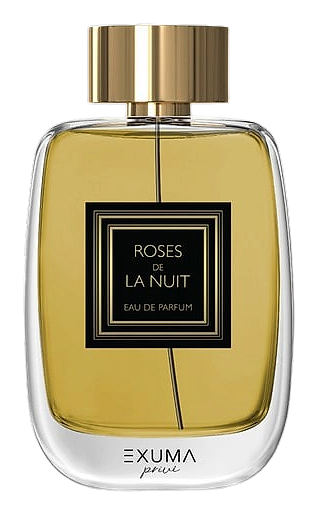
Roses De La Nuit arrived in 2019 from an independent house operating out of Winter Park, Florida. Perfumer Jordi Fernández built this composition around a tension inherent to the flower itself, roses are simultaneously delicate and thorned, beautiful and grounded. The name translates to "Roses of the Night," pointing toward an evening register rather than the sanitized florals that dominate the category. Rather than a Valentine's Day gesture, this rose gets its edges back: herbal, earthy, something you wear when you're done performing.
The heart structure is what makes Roses De La Nuit interesting. Cashmere Wood (cashmeran) brings a plush, almost suede-like warmth that softens without sweetening. Orange Blossom adds a bitter-floral quality, the waxy, slightly animalic dimension that fresh orange blossoms carry on summer evenings. Patchouli threads through the entire composition, keeping the florals from lifting into abstraction. This isn't a rose that floats above the skin. It settles into it. The amber-musky-vanilla base amplifies that intimacy: a drydown meant to be discovered by someone standing close, not announced to a room.
The evolution
The opening arrives clean and cool, geranium's herbal snap cutting through damask rose. That green quality reads almost like crushed stems, not the dewy petals of a florist's arrangement. Around the first hour, the heart unfolds: cashmere wood adds a plush, powder-warm texture while orange blossom threads its slightly bitter floral through patchouli's earthiness. The patchouli doesn't dominate, it grounds. About two hours in, the base emerges. Amber and musk warm against skin, then vanilla arrives, soft, sweet, the memory of warmth. The drydown holds for 6-8 hours on most skin, intimate and close. On fabric, it can linger into the next morning, that warm, sweet trace of skin-reminiscent scent that makes someone lean in without knowing why.
Cultural impact
Roses De La Nuit arrived in 2019 as part of a broader indie perfume renaissance in the American South, where independent houses began challenging the big luxury brands' dominance in complex floral compositions. The fragrance sits at an interesting intersection: it honors the classic Damask rose tradition while incorporating geranium's more unconventional herbal character, a choice that reflects a shift in modern perfumery toward bolder, more nuanced interpretations of traditional notes. Exuma Parfums, based in Winter Park, Florida, positioned this release as gender-dedicated but ultimately won over a broader audience who appreciated its rough elegance and earthier take on rose-centric design.