
The Story
Why it exists.
The beginning
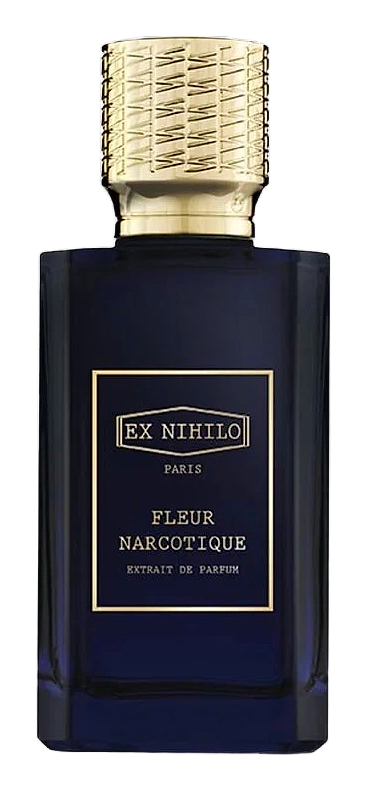
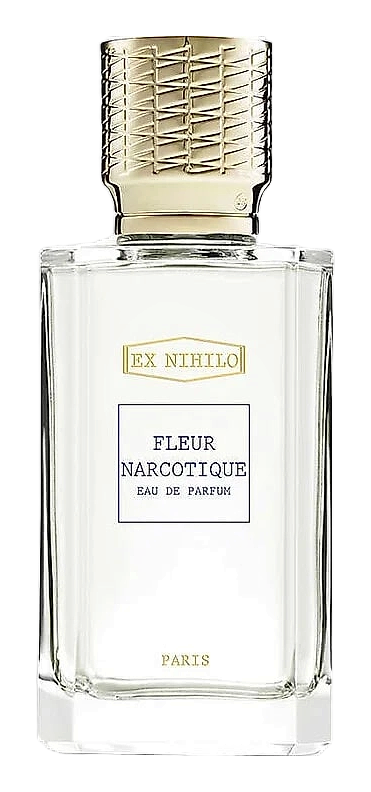
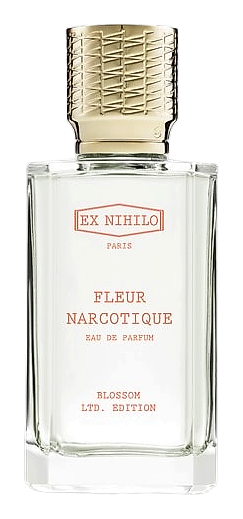
Fleur Narcotique Blossom arrived in 2021 as a limited-edition chapter in Ex Nihilo's Fleur Narcotique saga, Quentin Bisch's maximalist take on what a white floral overdose could be. Where the original FN was a global phenomenon, Blossom stayed closer to the vest: exclusive to Russia, now discontinued. Bisch pushed the formula further, amplifying the floral stack until it became something louder and more declarative than its predecessor. The name says it all. Blossom.
The structure is unusual in how deliberately it refuses to thin out. Most modern florals soften the heart with fruit or water to keep them wearable. Here, the lychee and bergamot open crisp and clean, but the floral heart builds and builds, jasmine, orange blossom, peony, layered so they don't just blend but actually accumulate. The moss in the base is the quiet subversive detail, keeping the whole thing grounded in something atmospheric rather than sweet.
The evolution
Lychee and bergamot arrive first, a bright, tart jolt that cuts through. Then the florals begin their slow takeover. Jasmine establishes itself first, followed by orange blossom, then peony swelling underneath until the three become difficult to separate. The drydown is where it earns the name. Moss creeps in, softening everything, and the musk keeps it intimate, close to the skin, not announced from across the room. On fabric, it lasts well into the next day. On skin, plan for a solid workday before it quiets.
Cultural impact
Fleur Narcotique Blossom arrived during a period when niche perfumery was expanding rapidly beyond traditional European markets, with Ex Nihilo positioning it as an exclusive limited-edition offering targeting collectors in Russia. The stacked white floral trend that the fragrance embodies reflects a broader movement in contemporary perfumery toward maximalist, heady compositions that prioritize presence and atmosphere over subtlety. This approach contrasts with the lighter, more versatile scents that dominated the market in the late 2000s and early 2010s, signaling a shift in consumer appetite for bolder olfactory statements.