
The Story
Why it exists.
The beginning
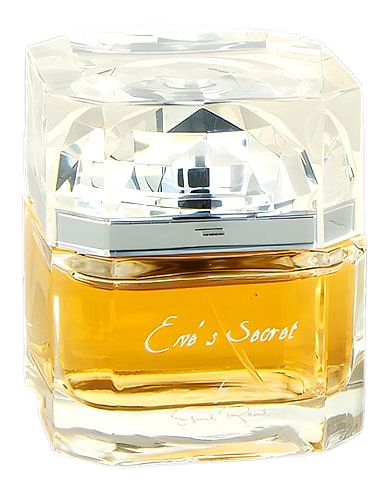
Eve's Secret arrived in 2009 as the feminine counterpart to Adam's Secret, Esme Rene's first public releases that year. The brand, a private label from Fortune Hills International, built its identity on accessible, everyday perfume rather than statement fragrance. Eve's Secret followed that philosophy: not a scent designed to turn heads, but one meant to settle into daily life like a well-worn habit. The name suggests something personal, almost confessional, a quiet secret rather than a declaration.
The note structure is deliberately familiar: fruity top, floral heart, warm base. But the execution leans green, that persimmon and pomegranate opening isn't sugar-sweet, it's textured, almost mineral. The black orchid and lotus heart gives it elegance without heaviness. Sweet violet in the base softens everything into powdery warmth that lingers close to the skin. It's the kind of composition that rewards someone who doesn't need their perfume to announce its presence.
The evolution
The opening hits bright and slightly tart, pomegranate and green notes at the front, with persimmon adding a velvety depth that keeps it from going sharp. Within twenty minutes the florals take over: black orchid and lotus arriving slowly, almost tentatively, before settling into the composition. The transition isn't dramatic, it's a quiet hand-off. By the second hour the violet and woody base emerge, softer now, warmer, the musk adding a skin-close quality that doesn't project so much as linger. Four to six hours later you're left with a faint powdery warmth, the ghost of flowers on fabric, nothing more, nothing loud.
Cultural impact
Eve's Secret emerged in 2009 during a period when private-label fragrance houses were challenging the traditional perfume industry gatekeepers. Esme Rene, backed by Fortune Hills International in California, represented a new model: sourcing formulations from contracted perfumers rather than the celebrity-nose partnerships dominating the market. This approach allowed niche-quality compositions at accessible price points, reflecting the democratization of fragrance that defined the late 2000s. Eve's Secret's green-fruity-floral structure positioned it among the era's signature style for women's scents, though it never achieved mainstream recognition.