



    Brand Profile

    Esme Rene entered the U.S. fragrance market in 2008 as a private label launched by Fortune Hills International in Diamond Bar, California. T…More

    United States·Est. 2008

    3.5

    Rating

    9
    Delicious Moment by Esme Rene
    3.5

    Delicious Moment

    XXX by Esme Rene
    Best Seller
    4.5

    XXX

    Meaningful U by Esme Rene
    Best Seller
    4.5

    Meaningful U

    Midnight Wishes by Esme Rene
    Best Seller
    4.4

    Midnight Wishes

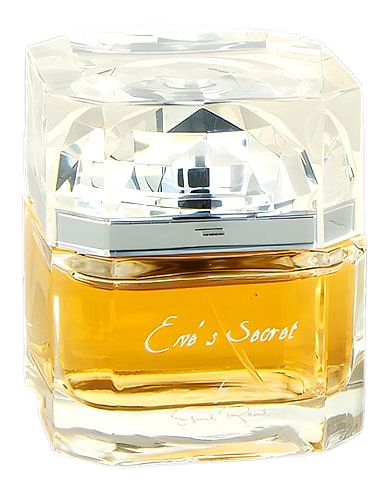
    Eve's Secret by Esme Rene
    4.3

    Eve's Secret

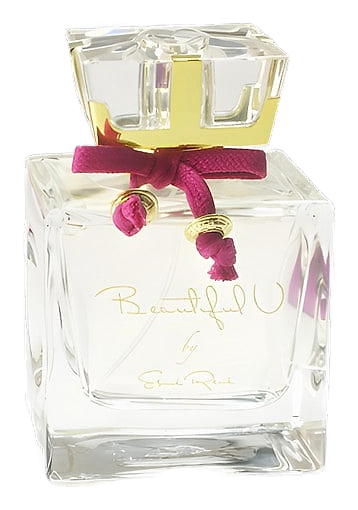
    Beautiful U by Esme Rene
    4.2

    Beautiful U

    Adam's Secret by Esme Rene
    3.8

    Adam's Secret

    Solid U by Esme Rene
    3.5

    Solid U

    Perfetto by Esme Rene

    Perfetto

    The Heritage

    The Story of Esme Rene

    Esme Rene entered the U.S. fragrance market in 2008 as a private label launched by Fortune Hills International in Diamond Bar, California. The line offers a compact portfolio of modern, approachable scents that target everyday wearers. With nine fragrances released between 2009 and 2013, the brand positions itself as a source of reliable, easy‑to‑wear perfume for both men and women, emphasizing consistency and value without sacrificing a polished finish.

    Heritage

    Fortune Hills International, a California‑based distributor, introduced Esme Rene in 2008 to fill a niche for affordable, mass‑market perfume that still feels thoughtfully composed. The brand’s first public releases arrived in 2009 with "Eve's Secret" and "Adam's Secret," two gender‑balanced scents that leaned on familiar floral‑fruit accords. In 2010 the house expanded its catalogue with a trio of titles—"Meaningful U," "Midnight Wishes," and "Beautiful U"—each marketed as a companion to personal moments. 2013 saw the addition of "Delicious Moment," a gourmand‑leaning fragrance that highlighted the brand’s willingness to experiment within a commercial framework. Throughout its early years, Esme Rene relied on third‑party manufacturers in the United States and Asia, a common practice for emerging fragrance labels seeking to balance cost and quality. The brand’s distribution grew quickly through department‑store partnerships, online retailers, and specialty beauty chains, allowing it to reach a broad audience across North America. While Esme Rene has not pursued high‑profile awards, its steady presence in the market reflects a business model built on reliable supply chains, consistent scent profiles, and a clear focus on everyday accessibility. The brand continues to refresh its lineup, occasionally re‑issuing classic scents under new packaging to keep the catalogue relevant for new shoppers.

    Craftsmanship

    Production for Esme Rene takes place in facilities that serve multiple private‑label fragrance houses, a model that allows the brand to keep costs manageable while maintaining a baseline of quality. The manufacturing process begins with a brief from Fortune Hills, outlining the desired olfactory profile, after which a contracted perfumer assembles a formula using a blend of natural essential oils and aroma chemicals. Common ingredients include bergamot, jasmine, vanilla, and synthetic musks, which together create balanced, long‑lasting scents. Once the formula is finalized, the blend is diluted in ethanol to the appropriate concentration—typically 15‑20 % for eau de parfum and 8‑12 % for eau de toilette. Quality control includes batch testing for stability, scent consistency, and compliance with U.S. cosmetic regulations. Bottles are sourced from standard glass manufacturers, often featuring simple, clear containers with minimal embellishment, reflecting the brand’s understated aesthetic. Caps and sprays are selected for durability and ease of use, and each unit undergoes a final visual inspection before packaging. The finished product is boxed in recyclable cardboard, with labeling that includes the fragrance name, concentration, and regulatory information. By leveraging established production pipelines, Esme Rene can release new scents annually without sacrificing the reliability that its customers expect.

    Design Language

    Visually, Esme Rene favors clean lines and muted color palettes. Bottles are typically clear or lightly tinted glass, allowing the perfume’s hue to hint at its character—soft pink for floral variants, deep amber for warm gourmand scents. The brand’s logo appears in a modest serif font, often embossed or printed in silver or gold foil, lending a subtle sense of refinement without overt extravagance. Packaging boxes use matte finishes and simple typography, with the fragrance name prominently displayed alongside a brief scent description. This restrained visual language mirrors the brand’s philosophy of understated elegance, positioning the products as suitable for both personal use and gifting. In retail displays, Esme Rene often groups its scents by seasonal theme—spring florals, summer citrus, autumn woods—making it easy for shoppers to navigate the collection. The overall aesthetic communicates reliability and approachability, inviting consumers to explore the range without feeling overwhelmed by excessive branding.

    Philosophy

    Esme Rene’s creative direction centers on accessibility and emotional resonance. The brand aims to craft scents that act as quiet companions rather than statements, allowing wearers to choose a fragrance that fits a specific mood or memory. Its designers prioritize familiar olfactory structures—citrus tops, soft florals, and warm base notes—so that each perfume feels instantly recognizable yet distinct enough to become a personal signature. Sustainability is approached pragmatically; the brand sources ingredients that meet regulatory standards and often selects synthetics that reduce reliance on scarce natural extracts. Transparency about ingredient lists is limited, but the company adheres to FDA guidelines for cosmetic products sold in the United States. Community feedback informs future releases, with the brand monitoring sales trends and customer comments on major retail platforms to gauge which accords resonate most. This data‑driven yet modest aesthetic keeps the line grounded, avoiding the hype‑driven cycles that dominate many niche houses. In essence, Esme Rene seeks to make fragrance a reliable daily ritual, offering a consistent sensory backdrop for work, travel, and leisure.

    Key Milestones

    2008

    Fortune Hills International launches Esme Rene in Diamond Bar, California.

    2009

    First two fragrances, "Eve's Secret" and "Adam's Secret," debut, establishing the brand’s gender‑balanced approach.

    2010

    Three additional scents—"Meaningful U," "Midnight Wishes," and "Beautiful U"—enter the market, expanding the portfolio to six.

    2013

    "Delicious Moment" releases, marking the brand’s entry into gourmand territory.

    2015

    Esme Rene expands distribution to major online retailers, increasing national visibility.

    2020

    The line undergoes a packaging refresh, introducing recyclable cardboard boxes and updated bottle caps.

    At a Glance

    Brand profile snapshot

    Origin

    United States

    Founded

    2008

    Heritage

    18

    Years active

    Collection

    1

    Fragrances released

    Avg Rating

    3.5

    Community sentiment

    Release Rhythm

    2013
    1
    2010
    3
    2009
    2

    Did You Know?

    Interesting Facts

    Distinctive details and defining moments that shape the house personality.

    01

    The brand’s name combines a French‑sounding first name with a surname that suggests a personal designer, though the fragrances are created by contracted perfumers rather than a single in‑house nose.

    02

    Esme Rene’s launch coincided with a surge in private‑label perfume brands in the United States, a trend driven by retailers seeking affordable alternatives to designer scents.

    03

    Despite its modest size, the brand has maintained a consistent release schedule, averaging a new fragrance every two to three years since 2009.

    04

    The "Delicious Moment" fragrance uses a synthetic vanilla note that mimics natural vanilla while reducing the environmental impact associated with vanilla bean cultivation.