The Story
Why it exists.
The beginning
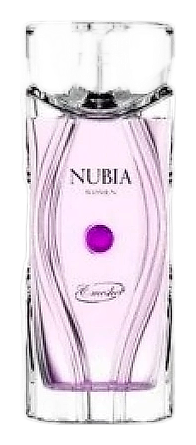
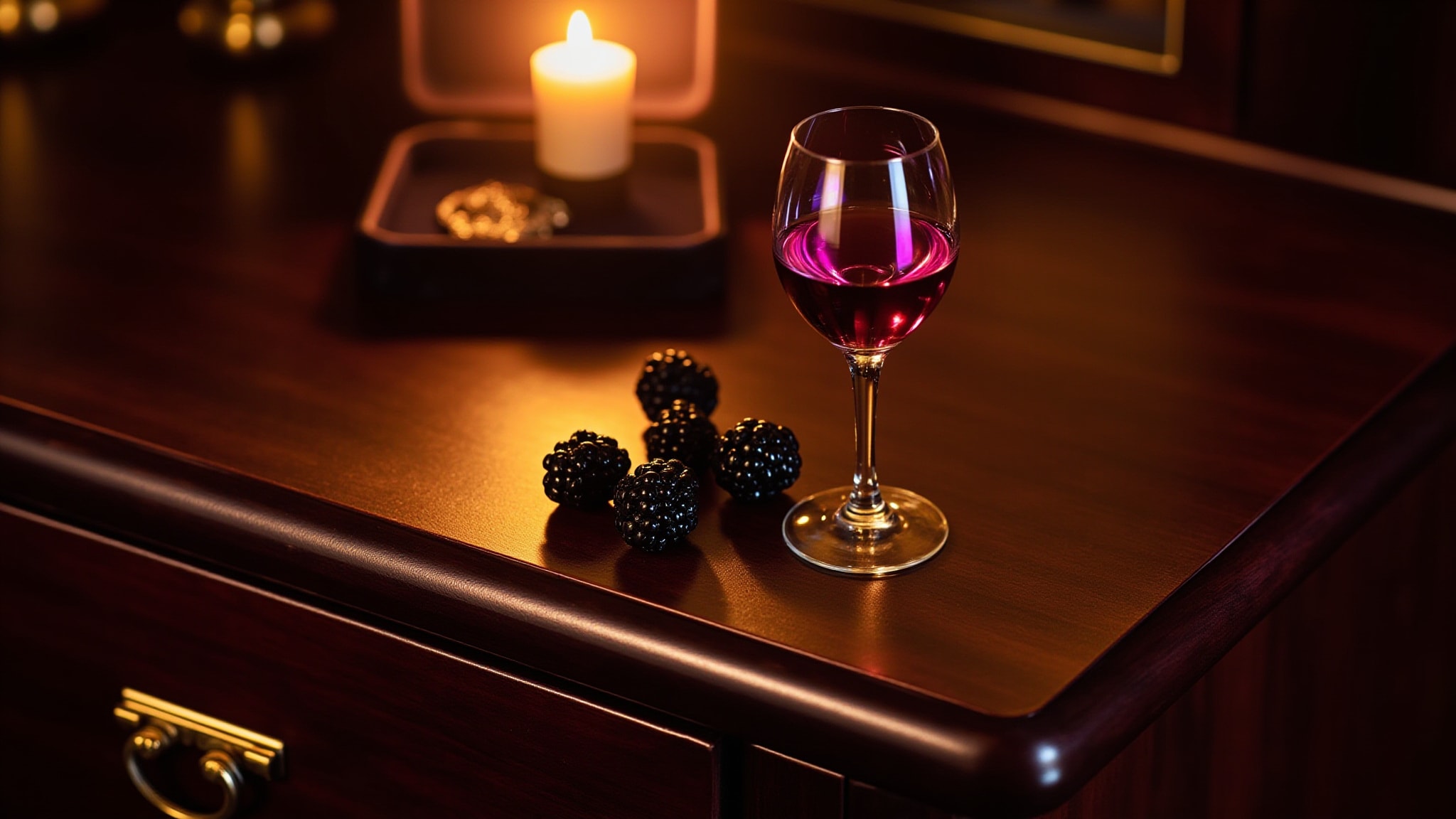
Emeshel's colour-driven philosophy turned the hue violet into a scent narrative in 2011, when Zsolt Zólyomi was tasked with translating that shade into perfume. The name Nubia Violet references the deep, regal tone of the gemstone-like colour, aiming to capture its sensual yet mysterious aura. Zólyomi built the opening around amber as a warm, inviting foundation, introduced blackberry for dark fruit depth, and used grape to add brightness and complexity.
Amber anchors the structure as a classic warm note that pairs naturally with the dark, fruity character of blackberry and grape. The woody heart notes provide necessary contrast to the sweet opening and prevent the fragrance from becoming one-dimensional. In the drydown, apple bridges the gap between fruity and floral, creating smooth transitions into jasmine and rose. This layering reflects a philosophy where each note amplifies the others rather than competing for attention.
The evolution
The opening bursts with amber warmth immediately, creating a welcoming introduction. Within minutes, blackberry emerges with its jammy character while grape adds a tart brightness that keeps the opening from becoming heavy. The heart develops as berries take over, their fruity richness sustained by woody undertones that ground the sweetness. As time passes, apple arrives with crisp freshness, jasmine adds soft floralcy, and rose provides an elegant, powdery finish that lingers on skin.
Cultural impact
Since its 2011 debut, Nubia Violet has cultivated a quiet cult among fragrance enthusiasts who appreciate its bold fruit‑sweetness tempered by a subtle violet finish. It’s often cited in online forums as a go‑to spring scent that bridges the gap between playful gourmand and refined floral, earning it a steady spot in niche‑fragrance wardrobes.