The Story
Why it exists.
The beginning
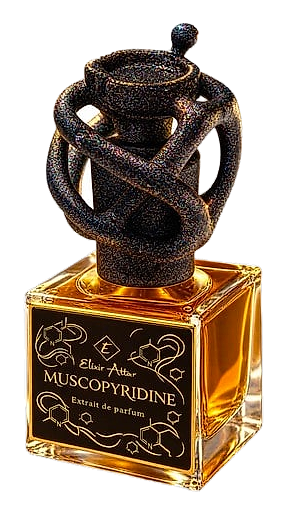
Muscopyridine arrived in 2026 through Ahmed Mostafa. Its premise is clear from the first breath: Tuberose and Gardenia bring a polished white floral surface, while Deer Musk introduces a darker, more bodily register. Rather than making the flowers behave, Mostafa lets their sweetness meet an animalic accord, creating a composition that feels ceremonial yet personal. The name points toward the unusual tension at its center, where clean floral brightness and concentrated musk occupy the same skin. From the opening, the scent reads cool and luminous, the flowers bright and almost weightless, before the musk warms the whole arrangement from underneath, giving the brightness a flesher, more tactile edge.
The unusual part is the marriage of materials that usually keep their distance. Tuberose has a fleshy, almost medicinal floral character, while Gardenia suggests waxy cream and polished petals. Deer Musk changes their register, adding warmth, depth, and an unmistakable skin note. Kyara wood in the base gives the composition a dark, dry structural footing, keeping the brighter florals from floating away untethered. Together, these materials make Muscopyridine less like a conventional bouquet and more like a floral fragrance with pulse, weight, and a distinctly human trace.
The evolution
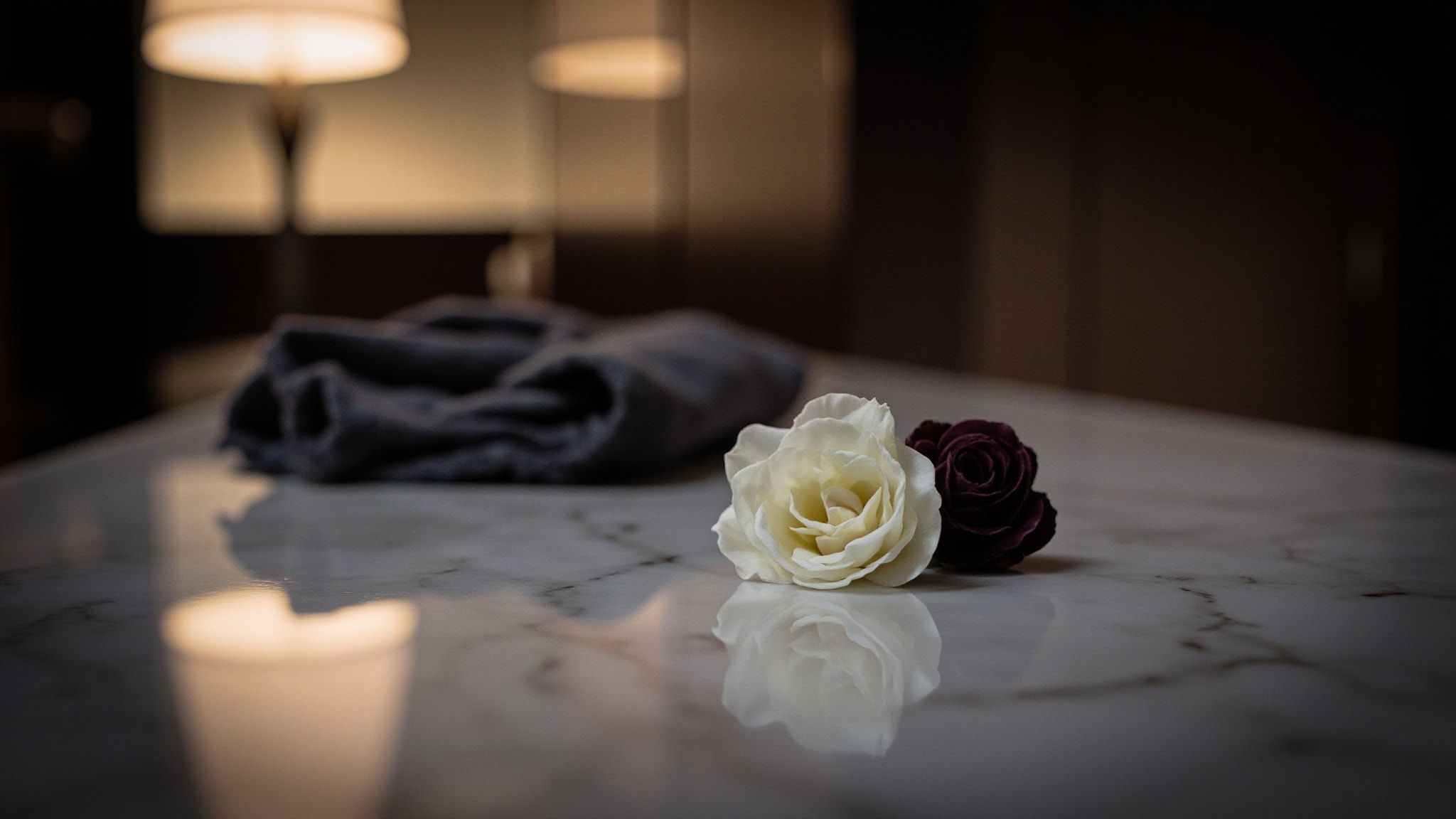
It begins on a cool, luminous floral plane, where Tuberose and Gardenia create the impression of fresh white petals under soft light. Within that brightness, Deer Musk introduces heat, sharpening the gardenia and giving the tuberose a deeper, more tactile shape. The flowers remain present rather than vanishing, but their character changes: less like a neat arrangement, more like scent caught in skin and fabric. As the drydown settles, Kyara wood brings a woody darkness beneath the musk, while Gardenia continues to supply a creamy thread that never quite disappears. The tuberose holds its place too, fading from a bright green-floral opening into something softer and more skin-like as the hours pass. The final impression is intimate and animalic, a warmth that settles closer to the body rather than projecting outward.
Cultural impact
Muscopyridine speaks a language of concentrated animalic florals, and that combination gives the fragrance its particular character. Tuberose and Gardenia supply a polished white floral surface, while Deer Musk pulls the composition toward warmth, skin, and the body. Rather than a conventional bouquet, the scent carries a sense of ritual and closeness, an intimate register that rewards close attention. Its appeal lies in that tension between the luminous flowers and the darker, more bodily accord beneath them, a pairing that rewards exploring materials that rarely share the same space.
The House
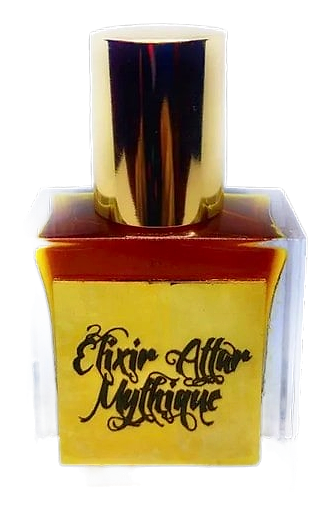
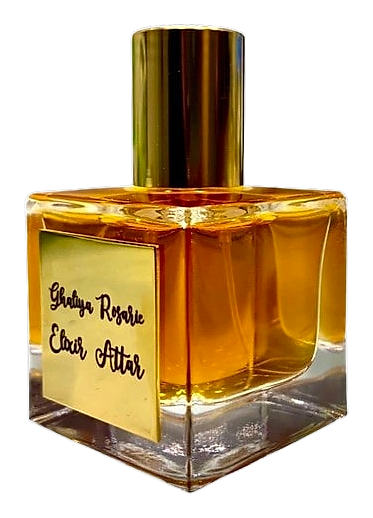
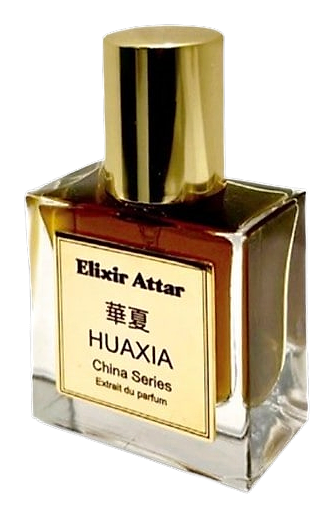
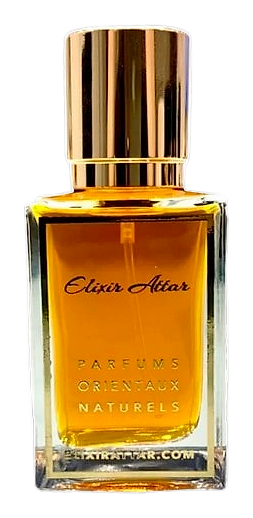
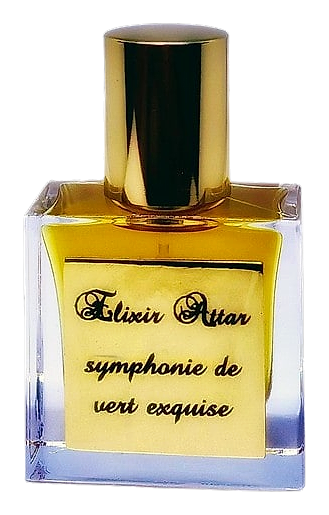
Elixir AttarElixir Attar is a boutique fragrance house specializing in alcohol-free attar compositions and bespoke perfume design. Founded in the United States by Egyptian-born perfumer Ahmed Mostafa, the brand creates scents inspired by historical narratives, cultural traditions, and personal experiences from around the world. The house offers both a signature collection and custom fragrance services for individual clients seeking unique compositions. Their work spans regional series that pay homage to specific cultures, including a dedicated Chinese Series exploring the history of the Qin Dynasty and other periods of Chinese civilization.
The Creator
Ahmed MostafaWithout public releases to analyze, Much of Mostafa's stylistic signature remains private. What the available record suggests is a perfumer who works across categories rather than specializing in one accord or family.