The Story
Why it exists.
The beginning
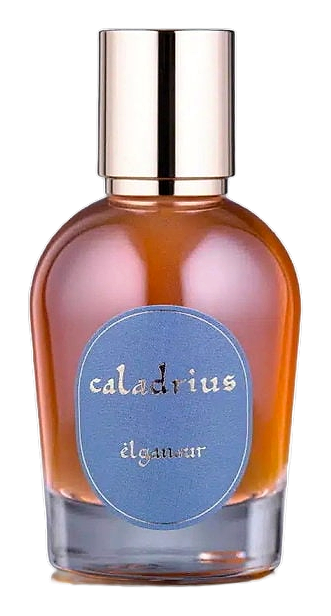
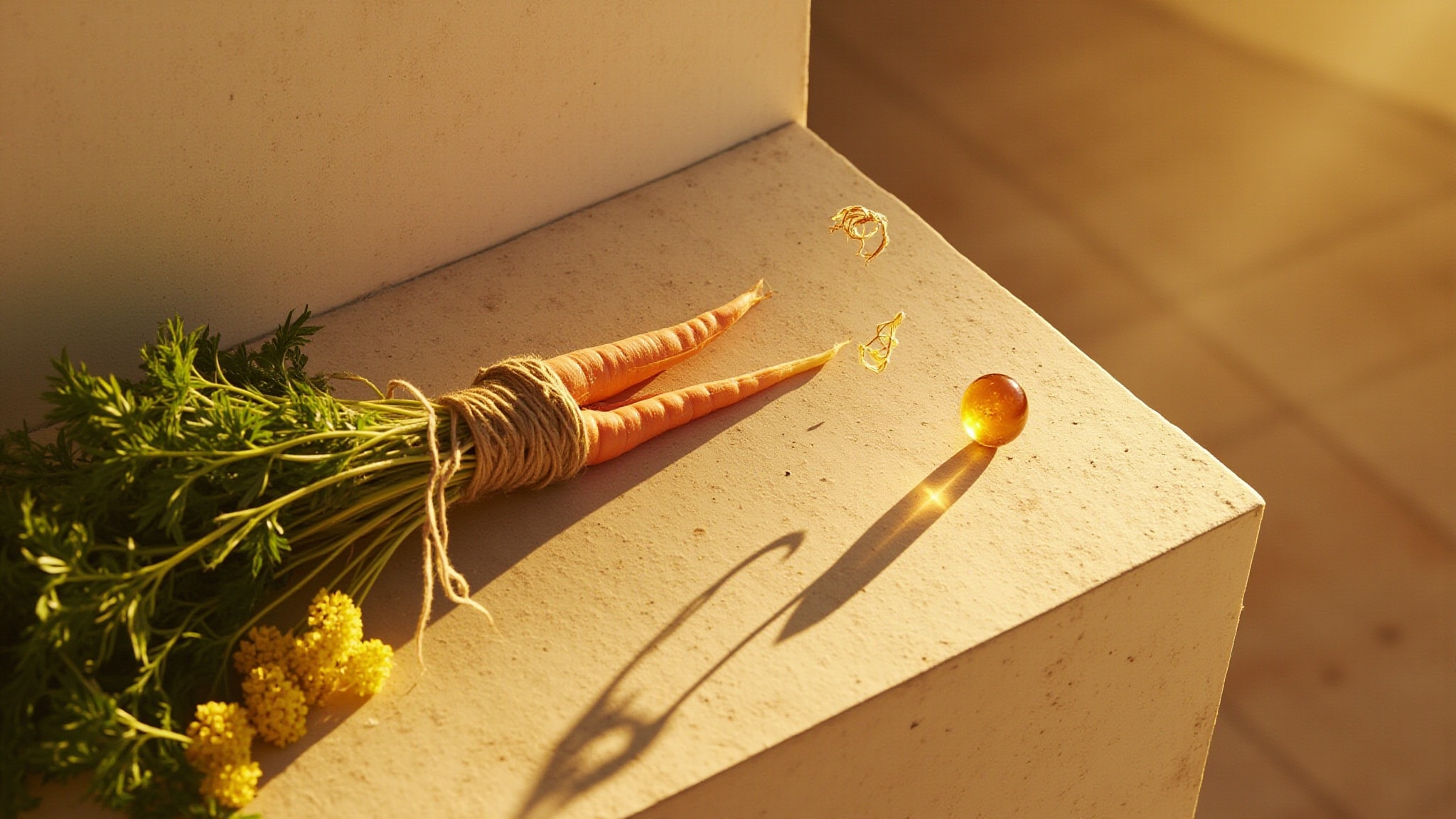
Caladrius draws its name from an image of gentle transmutation. The composition opens the way a clear morning feels: carrot seed and mimosa catching light, bright and slightly powdery, like clean linen warming in a window. Jasmine settles just beneath, adding skin-like warmth and a soft floral hollowness that keeps the brightness from feeling sharp. Then frankincense arrives, and the air thickens into something older. There's a resinous density here, something ancient and devotional, like a church interior holding onto centuries of slow-burning incense. The whole thing reads as a solar chypre, a warm, sunlit take on the structure, built entirely from botanical raw materials assembled with patience. No synthetic aroma chemicals doing the heavy lifting.
Oakmoss anchors the heart, and the base rests on damask rose, sandalwood, and vetiver, three materials that need careful handling to keep them from going flat or muddy. The carrot seed up top is the unusual move. It gives a brightness rooted in something herbal and earthy, like sun-warmed earth rather than sun-warmed citrus. That grounded undertone keeps the whole composition from drifting into something weightless. It's a chypre that remembers where flowers come from, that holds onto the soil underneath the bloom even as it reaches for the light.
The evolution
The first ten minutes belong to carrot seed and mimosa. There's a powdery, sunlit quality here, slightly vegetal, almost like dried hay catching light. Jasmine threads underneath, not indolic or heavy, more like the ghost of jasmine, a suggestion rather than a bloom. Then the transition. Frankincense arrives with its dry, resinous lift, and the composition stops being pretty and starts being structural. Oakmoss grounds everything: that damp, forest-floor mineral note that defines the chypre family. The heart phase smells like incense smoke drifting through a stone chapel, warm but not heavy. From the two-hour mark onward, damask rose takes over, but it's rose in its dried-petal form, not fresh, leaning toward preserves and old books. Sandalwood and vetiver close the drydown with a creamy, slightly smoky root note that stays close to skin.
Cultural impact
Caladrius fits within the botanical-only space in niche perfumery, where ingredient sourcing shapes every architectural decision. The term solar chypre is how the house frames a chypre that leans warm and sunlit rather than dark and moss-heavy, describing an orientation built around heat, light, and plant-derived warmth. For wearers drawn to natural materials, the composition signals that every layer comes from raw botanical sources, with the chypre structure built through oakmoss and rose rather than relying on synthetic stand-ins.