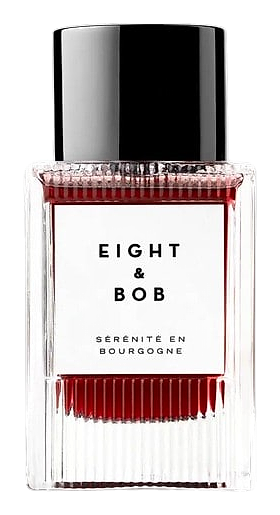
The Story
Why it exists.
The beginning
For Albert Fouquet, September was the month that mattered most. Every year, from the first week until well into October, he would leave Paris for the family château in Burgundy, not for rest, but to oversee the harvest of their estate. The Fouquet vineyards were not the largest in the region, but they produced grapes that the region's top winemakers competed for each autumn. Only 10% of the yield was ever set aside for the family's own wine. Fouquet brought the same exacting standards to his perfumery as to the vine. With Simon managing the estate masterfully, and Fouquet's own refined sense of smell guiding every decision, the harvest season became the most eagerly anticipated time of year, a moment when the work of the land translated directly into something rare.
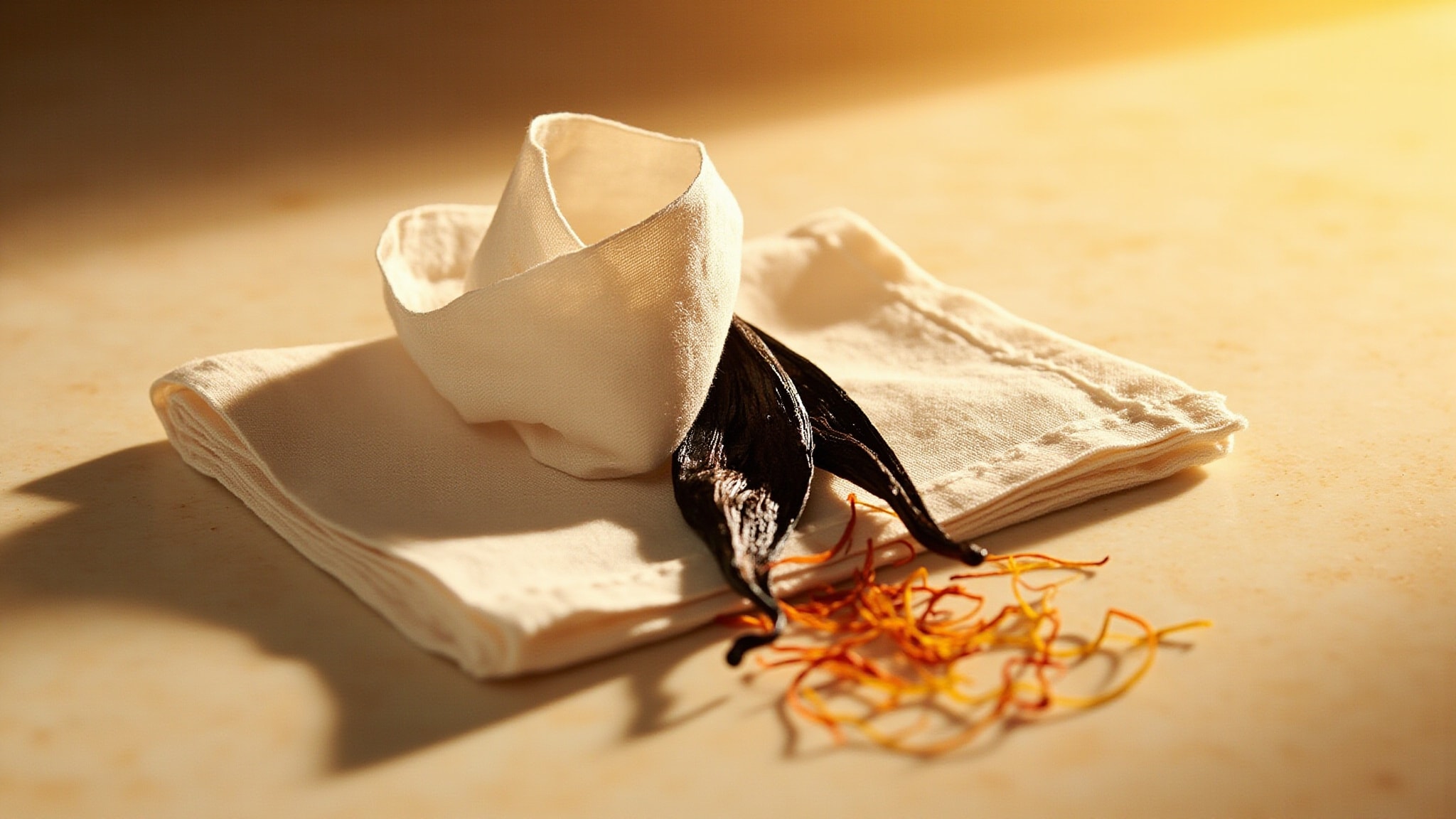
The structure here is deliberate in its restraint. Five materials, saffron, pink pepper, oud, myrrh, vanilla, patchouli, but each performs a specific role. The CO2 pink pepper and saffron open in tandem, lending a bright, almost metallic heat that feels like late-summer light filtered through autumn air. Vietnamese oud and myrrh arrive without rushing, settling into the heart as a resinous, contemplative core that earns its weight. The Madagascar patchouli keeps the vanilla honest, preventing it from becoming dessert, pushing it toward something earthier, more grounded. The result is a composition that sits comfortably in the warm-spicy-to-woody spectrum without ever tipping into smoke or animalic territory.
The evolution
The opening arrives fast, within seconds, the saffron and pink pepper crackle like heat lightning. That bright metallic burst is the fragrance's first act, and it lasts a solid twenty to thirty minutes before the oud and myrrh begin to assert themselves. By the time the heart settles, the top notes haven't disappeared so much as been absorbed, folded into something deeper and more resinous. The drydown is where Bourbon vanilla takes over, but it's not a simple sweetness. The Madagascan patchouli keeps it grounded, pushing the vanilla toward a boozy, slightly woody register that stays close to the skin for eight to ten hours on most. There's a quiet persistence here, this is not a fragrance that announces itself at the door and vanishes. It lingers. On fabric, it can be detected the next morning, faint and warm, like the memory of an evening rather than the evening itself.
Cultural impact
Sérénité en Bourgogne arrives at a moment when warm-spicy orientals have reclaimed the niche market. Wearers describe it as the scent of someone who walks into a room and doesn't need to announce themselves, composed, specific, and quietly confident. The saffron-vanilla-oak axis places it firmly in the winter evening category, where it competes with richer, heavier compositions. What sets it apart is its restraint: sweet enough to be approachable, dry enough to be taken seriously.