The Story
Why it exists.
The beginning
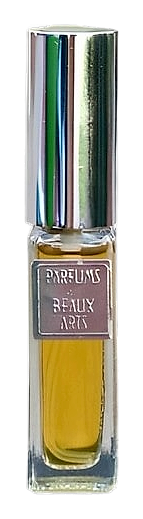
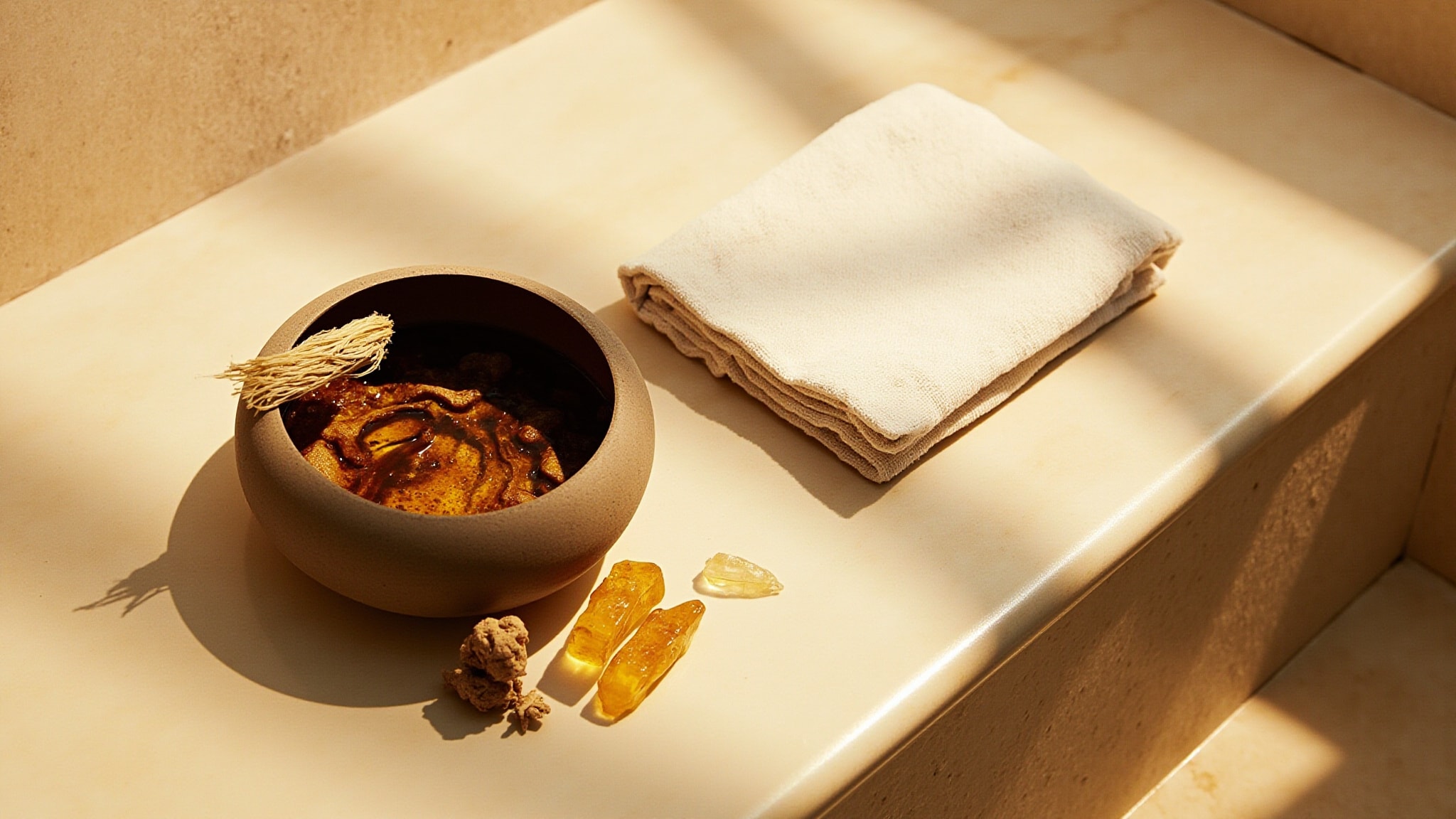
In 2010, the Denver Art Museum opened its King Tut exhibition, a blockbuster survey of ancient Egyptian artifacts that drew hundreds of thousands of visitors. For that show, Dawn Spencer Hurwitz created Arome d'Egypte as a wearable study of what those ancient perfumes might have smelled like. Not a reconstruction. A translation. The Egyptian tradition relied heavily on aromatic resins, balsams, and fragrant woods, materials like frankincense, myrrh, and spikenard that were traded along the incense routes and used in sacred unguents. Hurwitz took that material vocabulary and applied it to a modern fragrance that uses 95.6% natural ingredients, keeping the spirit of the source material intact while letting it breathe on contemporary skin.
What makes this composition unusual is the density of the base relative to the heart. Where most fragrances build from bright top notes toward depth, Arome d'Egypte establishes its balsamic core almost immediately. Blackcurrant opens the fragrance, tart, dark, slightly sour, but the resinous warmth of Peru balsam and myrrh surfaces within minutes, creating an amber-like glow that never fully dissipates. Spikenard anchors the heart with its characteristic camphorated, earthy quality, a material that appears in ancient Egyptian texts as one of the most prized aromatics in their repertoire.
The evolution
The opening is all about blackcurrant, tart, dark, almost sour. The brightness cuts through the balsamic weight that follows, but only for a few minutes. Jasmine and rose arrive quickly, with jasmine's indolic richness taking the lead and rose lending quiet dignity rather than florals. A warm resinous wave from Peru balsam and myrrh seeps through almost immediately, giving the fragrance its amber-like glow from the start. The sillage is intimate. Someone close to you will notice. Within thirty minutes, the jasmine dominates, creamy, rich, almost heady. Rose retreats but remains, tempering the jasmine's sweetness. Spikenard's camphorated, earthy quality emerges, grounding everything and lending a meditative quality to the heart. Cedar and sandalwood form a warm woody foundation that keeps the florals from overwhelming the composition. Ambrette seed adds a subtle musky, slightly animalic warmth, the ambrette note lending a vegetable-musky quality that feels almost human. The drydown shifts the composition entirely.
Cultural impact
Arome d'Egypte developed a quiet reputation among collectors who prize natural fragrances with genuine staying power. The 2010 Denver Art Museum King Tut exhibition connection gave it initial visibility, but the sustained interest comes from wearers who appreciate that the balsam-and-resin base does what most natural compositions struggle to achieve, lasting depth without synthetic reinforcement. Similar compositions worth exploring include Amouage Journey Man (2013), Givenchy's Ysatis (1974), and Van Cleel & Arpels's Tsar (1989) for those seeking vintage-adjacent resinous woody oriental character in the natural-perfume register.