The Story
Why it exists.
The beginning
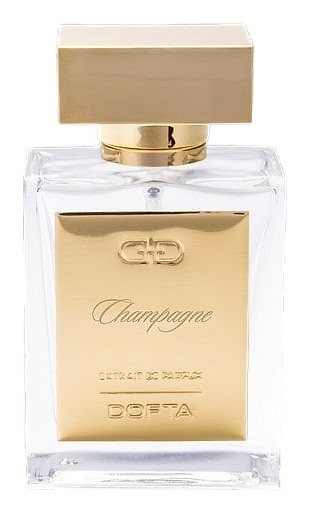
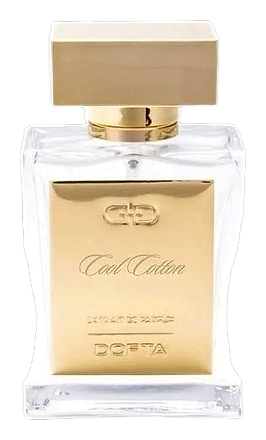
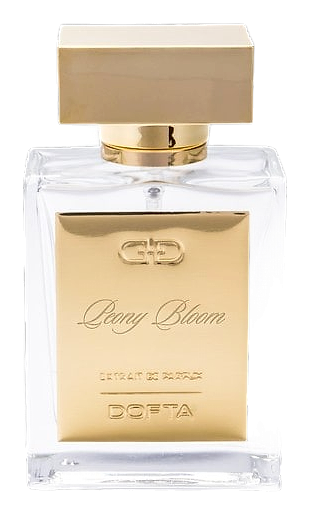
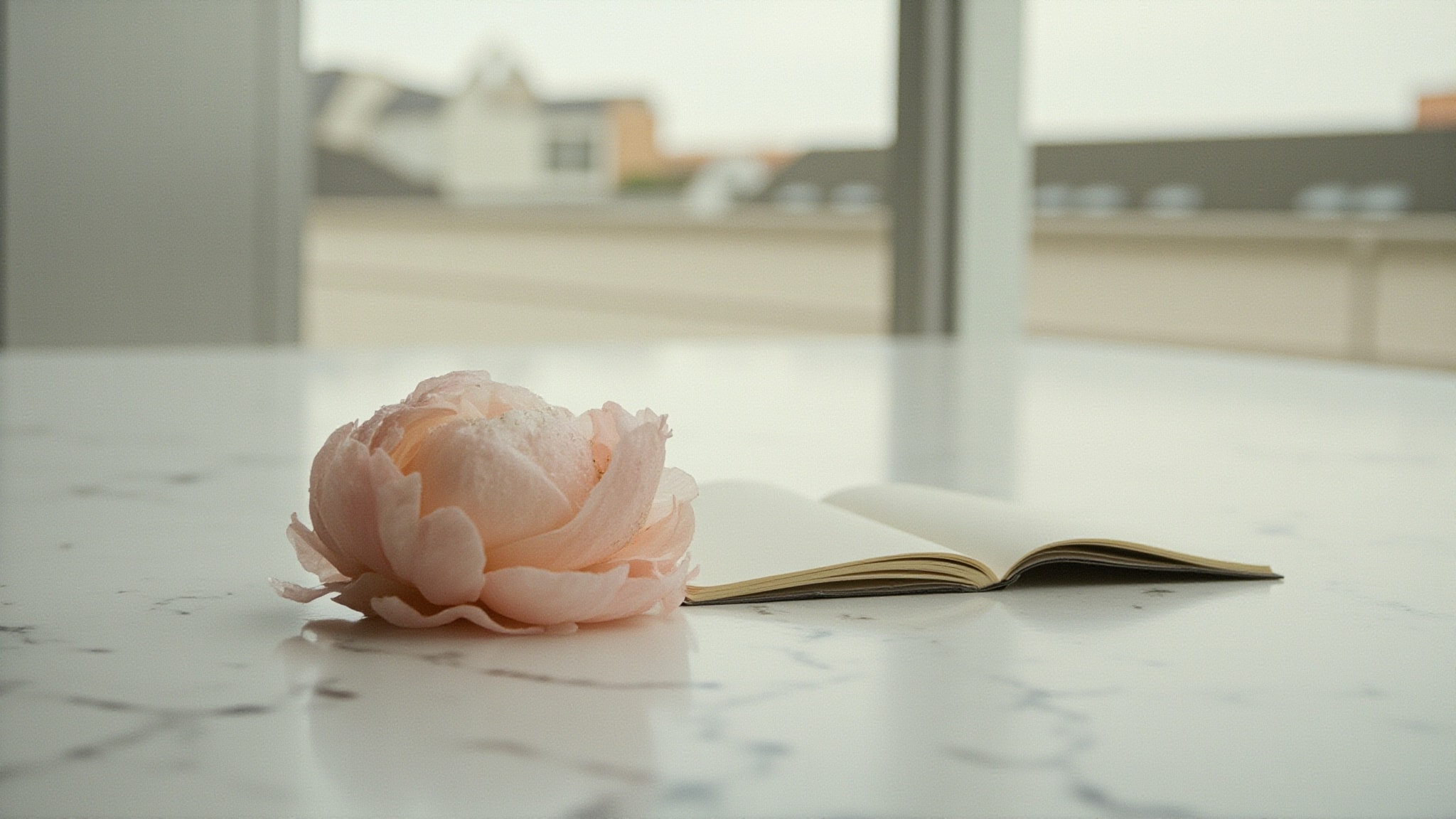
Peony Bloom was among Dofta's first public offerings, released in the summer of 2018 alongside Champagne and Cool Cotton as part of a tightly curated debut portfolio. The house had formed earlier that year in a small London workshop, a group of fragrance enthusiasts who wanted each bottle to earn its place through mood rather than marketing. Peony Bloom was the floral counterweight in that lineup, built around a single, focused idea: a peony at peak, the moment before the petals fully surrender to the sun. The brief fit Dofta's creative philosophy of isolating one emotion per fragrance. No sprawling narrative, no lifestyle manifesto. Just a feeling of botanical freshness held in suspension. The rose absolute later referenced in the brand's crafting notes came from a Bulgarian farm practicing drip irrigation, though the first release focused simply on getting the bloom itself right before layering context around it.
Four notes. That's the entire pyramid: pink peony on top, lily and rose at the heart, white musk underneath. The restraint is the point. Most florals build complexity through accumulation, but Peony Bloom works by subtraction, refusing to crowd the peony with competing florals or distracting green accents. Even the lily stays close to the rose in register, which keeps the whole thing reading as one continuous bloom rather than a bouquet of separate things. The white musk base does the heavy lifting most compositions bury under heavier materials. It anchors the florals in something that smells clean and almost-skinlike without ever tipping into the soapy territory lighter musks can fall into.
The evolution
The opening lands immediately and stays simple. Pink peony with its faint green stem edge and that almost-watery quality real peonies have, not the syrupy sweetness some compositions substitute. The first 15 minutes are the most floral the scent gets, which says something about where it goes from there. Around the 20-minute mark, the rose arrives and softens everything. It's a clean rose, not jammy or candied, more like the airy impression of rose water than an extracted absolute. The lily threads through it quietly, adding a cool sweetness that lifts the composition rather than weighing it down. This is the stage most people will recognize as the scent's signature, and where it earns its strongest compliments. By hour two the florals have begun their slow withdrawal. White musk takes over from underneath, and the whole thing shifts closer to skin. The peony doesn't vanish exactly, more like it becomes a memory the musk is holding onto.
Cultural impact
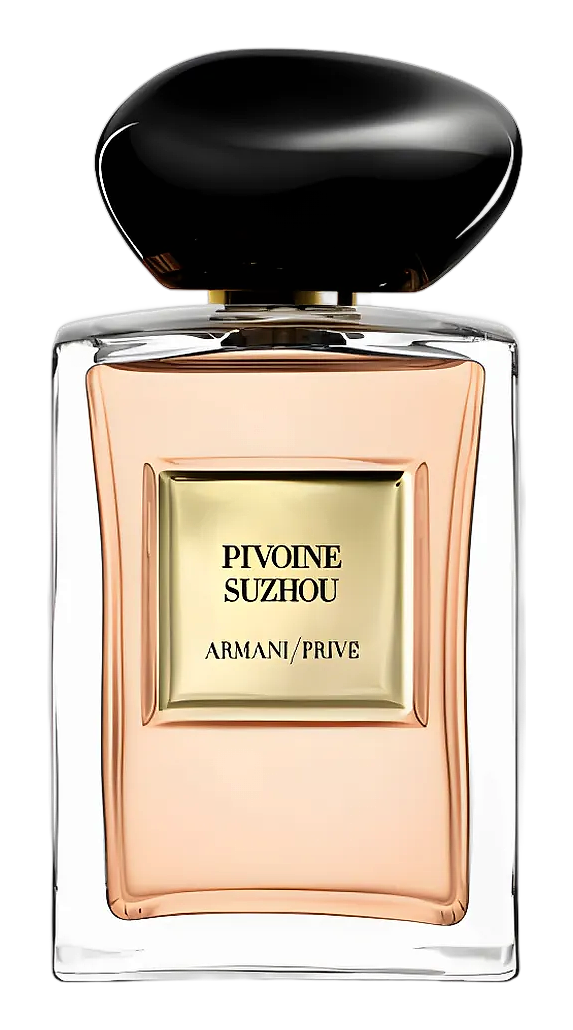
Peony Bloom sits in the same collector-minded lane as the peony-forward compositions from Armani's Pivoine line and Parfums de Marly's Delina, but its restraint sets it apart. Where Delina leans into the fuller, lychee-tinged peony profile, Peony Bloom stays closer to the botanical itself, closer to the actual flower. The four-note pyramid and clear positioning make it a reference point for anyone who thinks florals have become overcomplicated. Its small-batch production and East London origins give it the kind of provenance niche collectors look for, without the preciousness some indie houses bring.