






Heritage
A house, in its own words
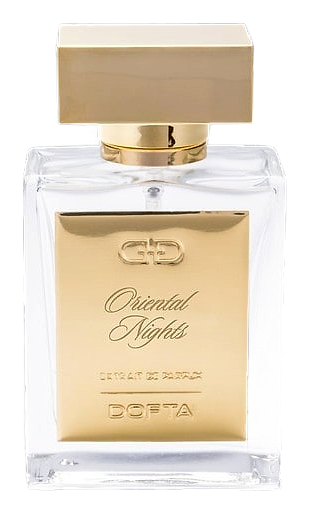
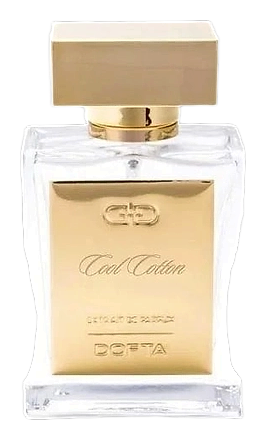
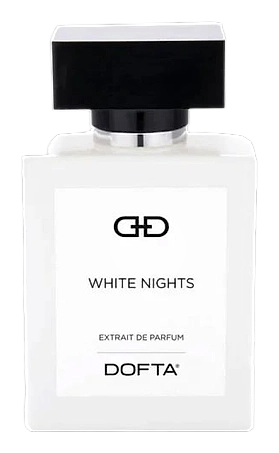
Dofta’s origins trace back to a small group of fragrance enthusiasts who shared a workshop in London in early 2018. According to the brand’s own statements, the founders wanted to create a label that could respond quickly to emerging trends without the bureaucracy of larger houses. Their first public offering arrived in the summer of 2018, when they introduced Peony Bloom, a floral composition that received modest coverage in independent perfume blogs. Within months, the line expanded to include Champagne, a sparkling citrus‑amber blend, and Cool Cotton, a crisp, airy scent meant to evoke freshly laundered linens. The same year saw the debut of two extrait de parfum releases, Oriental Nights and Something Blue, both positioned as more concentrated interpretations of the earlier eau de parfums. By the end of 2018, Dofta had established a reputation for rapid, cohesive releases that shared a common visual language. In 2020 the house announced a partnership with a sustainable glass manufacturer, allowing all bottles to be produced from 100 % recycled material. This move aligned with a growing consumer demand for environmentally responsible packaging. Two years later, Dofta entered the United States market through a curated selection of boutique retailers in New York and Los Angeles, expanding its reach while maintaining small‑batch production. The brand’s 2022 catalogue introduced Aqua Pure, an extrait that highlighted marine notes sourced from the Mediterranean coast, and White Nights, a nocturnal floral that referenced the long summer evenings of the Nordic region. In 2024 Dofta opened its first physical studio in Shoreditch, offering visitors a glimpse of the blending process and a chance to meet the perfumers behind the scents. Throughout its brief history, Dofta has remained a lean operation, relying on a network of independent suppliers for raw materials and on a tight distribution model that emphasizes quality over volume. The house’s milestones, while modest in scale, illustrate a consistent commitment to crafting scents that capture specific moments and emotions. Dofta frames each fragrance as a snapshot of a feeling rather than a broad lifestyle statement. The brand’s creative brief asks perfumers to isolate a single emotion and translate it into olfactory form, whether that is the anticipation of a sunrise, the calm of a quiet night, or the excitement of a celebratory toast. Sustainability informs the house’s values; Dofta sources many of its natural ingredients from farms that practice organic cultivation and fair trade principles. The brand also favors transparent ingredient lists, allowing consumers to see the proportion of synthetics versus naturals in each composition. Dofta’s approach to marketing mirrors its scent philosophy: minimal copy, clean visuals, and a focus on the story behind each note. The house encourages wearers to interpret the fragrance personally, avoiding prescriptive language that dictates how a scent should be experienced. This open‑ended stance reflects a belief that perfume should adapt to the wearer’s own narrative, rather than impose a fixed identity. Dofta’s limited‑edition releases reinforce this mindset, as each batch is produced in quantities that encourage a sense of intimacy and exclusivity without resorting to artificial scarcity. The brand also supports emerging talent by offering a platform for young perfumers to experiment with unconventional accords, reinforcing a culture of creative risk‑taking within a disciplined framework.