The Story
Why it exists.
The beginning
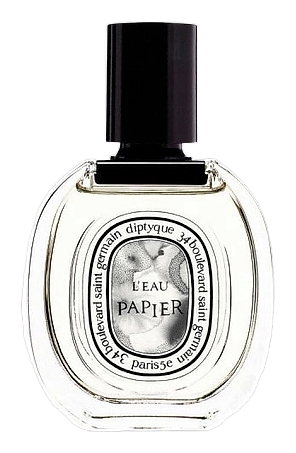
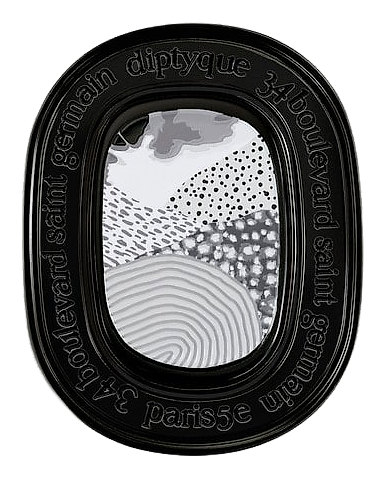
The solid parfum arrived in 2024 as a companion to the existing L'Eau Papier, same house, same perfumer, Fabrice Pellegrin, but a different format entirely. Where the EDT opens bright and announces itself, the solid begins softer, more private. Pellegrin built this around rice steam and mimosa, two materials that don't often lead a composition. Rice steam is unusual: rarely used as a named note, more often a whisper in the background of Oriental constructions. Here it's front and center, with sesame warmth and blonde woods following close behind. The solid format changes the relationship between fragrance and skin. No alcohol, no spray, just warmth from fingertips melting the wax base into your pulse points. It's perfume as something you apply rather than release.
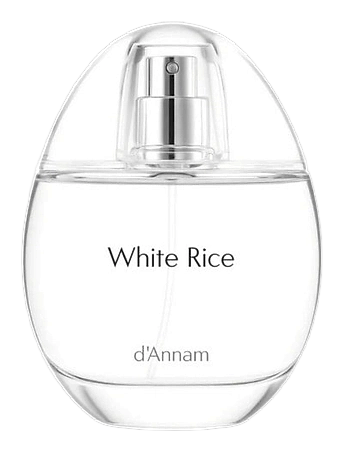
Rice steam is uncommon as a named note in perfumery, more often it's part of an "Asian rice" accord, or a whisper in the drydown of Jasmine sambac constructions. Here, Pellegrin makes it the opening. The effect is soft, clean, and slightly starchy, like walking into a stationery shop where someone just finished printing. Mimosa brings the golden warmth, powdery but not dusty, floral but not sweet. Blonde woods anchor everything without pushing into cedar territory; it's the warmth of paper left in sunlight, not the sharpness of a pencil. The roasted sesame appears late, adding a quiet nuttiness that makes the drydown feel edible without being dessert. The real achievement is the intimacy.
The evolution
The opening arrives clean and almost imperceptible. Rice steam doesn't burst, it exhales, soft and slightly starchy, like pages still warm from the printer. Within minutes the mimosa arrives, golden and powdery, and suddenly the composition warms. The blonde woods follow, settling into skin's natural warmth rather than announcing themselves. By the second hour, the sesame surfaces, quiet nuttiness, the taste of sesame oil without the weight. The white musk doesn't appear so much as it reveals itself, a soft creaminess that keeps everything grounded. The sillage never builds beyond intimate. Even at peak strength, this fragrance stays close, you'd have to be touching to notice it. On fabric, it lasts longer than on skin. The morning after, there's something left: a trace of warmth, barely there, like a handwritten note found in a coat pocket.
Cultural impact
L'Eau Papier solid parfum occupies a specific space in the Diptyque lineup, for those who want the house's literary sensibility in a format that stays personal and private. The solid format aligns with the fragrance's theme: like ink absorbing into paper, the scent absorbs into skin rather than projecting outward.
The House
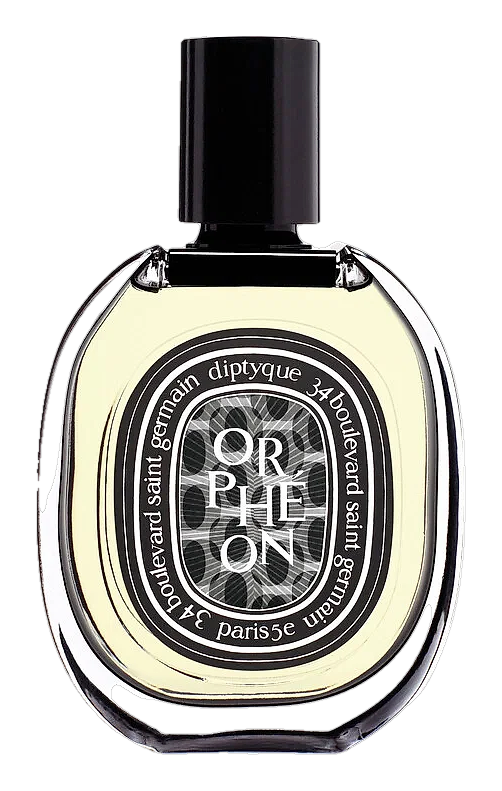
DiptyqueThree friends — a painter, an interior designer, and a theater director — opened a boutique on Paris's Boulevard Saint-Germain in 1961. What began as a fabric and décor shop became one of the most influential niche houses in perfumery. Diptyque's oval-label candles are iconic, but its fragrances deserve equal reverence: literary, textured compositions that smell like places rather than products.
The Creator
Fabrice PellegrinPellegrin's style often leans towards a bright, fresh feel, frequently incorporating citrus notes and clean musks. He's known for his skill in creating light and airy fragrances, yet with surprising depth and longevity.