
The Story
Why it exists.
The beginning
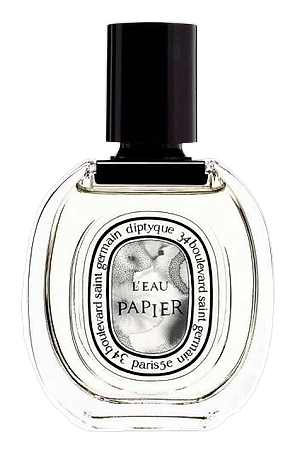
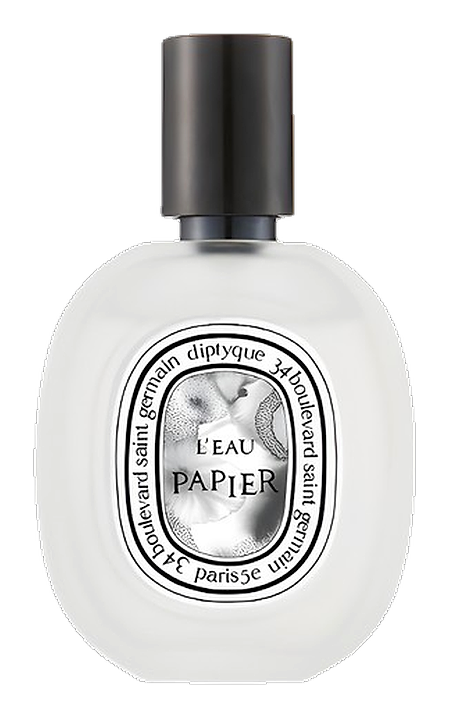
L'Eau Papier, paper water, arrived in 2024 as a study in restraint and suggestion. The house built its reputation on place and memory: the fig tree at Philosykos, the incense at Tam Dao. Here, the reference is quieter, a notebook waiting to be filled. The opening is barely there, just the ghost of warm paper and the softest trace of rice steam. There's a tenderness to the composition, an absence that feels intentional, as if the scent knows that presence is sometimes less interesting than potential. The potential in an unwritten page.
What makes this work is the rice steam. It's not a common perfumery material, getting that starchy, slightly humid note right is technically demanding. Here it opens the fragrance with something almost edible, like steam rising from a pot of rice on a quiet stove. The white musk that follows is the connective tissue: soft, clean, barely there. Then the blonde woods arrive, dry and warm, followed by roasted sesame, a note that adds a subtle nuttiness without tipping into gourmand territory. Together these materials create something that feels simultaneously fresh and intimate, modern and timeless.
The evolution
The opening arrives soft, rice steam rising, barely there. White musk follows within minutes, coating the hair in something clean and warm. The handoff to the heart happens gradually: blonde woods enter quietly, not announcing themselves, just settling into the composition like ink spreading through paper. Mimosa adds a powdery yellow-floral quality that keeps the whole thing from feeling flat. The drydown is where this lives longest, a close skin-warm sensation that someone notices only when they're near enough to touch your hair. It's comforting rather than impressive, which reads as a genuine compliment.
Cultural impact
Hair mists serve a different purpose than an Eau de Parfum. They offer closeness, a whisper of scent that stays near rather than announcing itself. L'Eau Papier uses rice and mimosa in a pairing that feels both familiar and unexpected. The rice note brings a gentle starchy warmth while mimosa adds that powdery floral lift, keeping the composition from settling too heavily. It's the kind of scent that gets described as comforting rather than impressive, which, in the current fragrance climate, reads as a genuine compliment. The execution keeps it approachable, inviting rather than demanding.