The Story
Why it exists.
The beginning
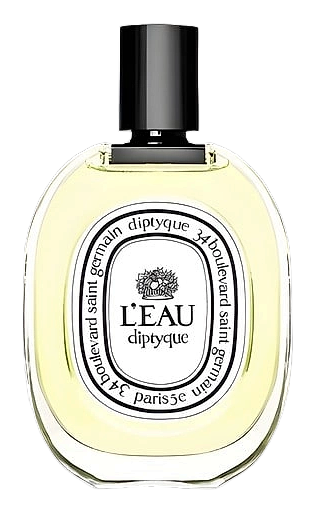
Desmond Knox-Leet created L'Eau in 1968 as Diptyque's first eau de toilette, a move that surprised everyone watching the house at the time. Diptyque was known for candles, for fabrics, for the curated curiosity of three artists who happened to open a boutique. A proper fragrance was supposed to come later, or never. Knox-Leet disagreed. He'd spent years macerating clove, cinnamon, and flower absolutes in his studio, chasing something that smelled like memory rather than marketing. The brief, if you could call it that, was simple: make something that couldn't be mistaken for anything else. L'Eau was the result, an oriental that opened with warmth and refused to soften until it was good and ready.
The note structure is unusual in its restraint. Most orientals of that era leaned heavily into sweetness, but L'Eau anchors itself in spice first: cinnamon and clove arrive with purpose, not decoration. The rose doesn't soften them, it complicates them, adding a green, almost astringent counterpoint that keeps the warmth from becoming cozy. Geranium bridges the opening and drydown, providing a slightly medicinal freshness that prevents the composition from ever fully settling into comfort. The sandalwood base is present but quiet; it's there to extend, not announce. What makes this structure remarkable is how little padding exists, every note earns its place.
The evolution
Cinnamon opens sharp and immediate, the kind of warmth that hits the back of the throat. No preamble. For the first twenty minutes, the rose fights through, not sweet, not delicate, but green and insistent, almost herbal. Then the geranium takes over, shifting the composition from warmth to something cleaner, cooler, with that characteristic slightly antiseptic edge that distinguishes it from friendlier florals. The cloves announce themselves properly around the hour mark, and this is where L'Eau becomes itself: warm without softness, spicy without sweetness. The sandalwood arrives last, settling close to the skin and extending the drydown for hours. On fabric, it lingers until the next wash. On skin, it holds a quiet presence through dinner and beyond.
Cultural impact
L'Eau occupies an unusual position in the fragrance world: it's been around long enough to be considered a classic, but it hasn't softened into ubiquity. The clove-and-cinnamon warmth reads differently depending on when you encountered it, for some, it's vintage in the best sense; for others, it's an acquired taste that took years to develop. What remains constant is its character: it hasn't been reformulated into submission, and it still smells like something with a point of view. Wearers tend to either wear it for decades or encounter it once, find it unsettling, and think about it for years.