The Story
Why it exists.
The beginning
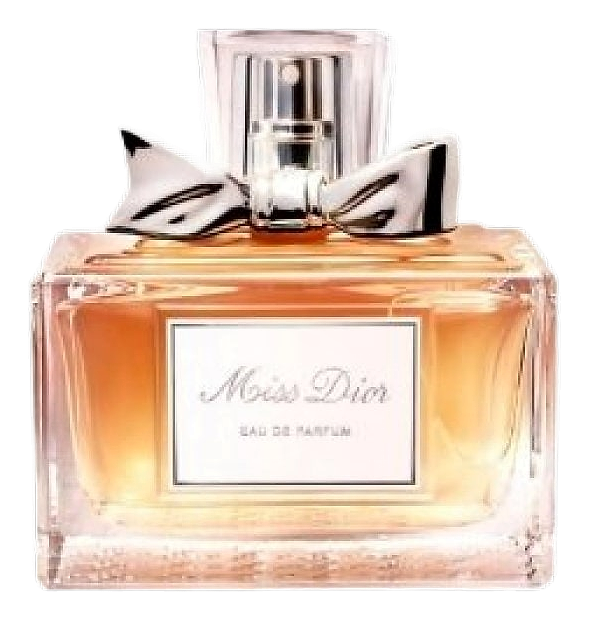
Miss Dior (2012) wasn't born from scratch. It was a renaming, a deliberate move by the house to fold its youthful Miss Dior Chérie line back into the founding name. François Demachy, who had already reworked the EdP in 2011, signed the 2012 version with his own hand. Italian mandarin opens the door. Jasmine sambac absolute holds the room, joined by rose and Egyptian jasmine in the heart depending on which note pyramid you're reading. Indonesian patchouli and musk close the curtains. The original 1947 Miss Dior carried its own legacy, distinguished by the addition of Original(e). Demachy's 2012 edition kept the romance of that lineage and let the composition speak for itself. The citrus note brings a clean, almost edible brightness at first spray.
The move from Chérie back to Miss Dior was more than a label change. It dropped the youthful positioning the line had carried and replaced it with something more measured. Demachy reached for jasmine sambac absolute for its indolic edge, that bruised-honey quality that reads as skin rather than soap. Patchouli gives the chypre structure its weight, dark and earthy enough to anchor the floral without burying it. The composition is sparse on paper: one top, a floral heart, and a base built on patchouli and musk. That restraint is the point. The mandarin that opens the fragrance doesn't shout.
The evolution
On skin, the opening minutes are all mandarin, sparkling and bright, the way Italian citrus reads when it's been given room to breathe rather than buried under competing notes. The jasmine doesn't wait politely for the top to leave. It slides in early, and there's a moment where the two share the stage, citrus oil layered over indolic white floral underneath. That handoff is the fragrance's best trick, a transition that feels seamless even though it isn't, because the two materials sit in completely different registers. Once the mandarin fades, the jasmine is alone in the bright. Patchouli begins its climb not long after, and it doesn't climb gently. It replaces the brightness with something warmer, darker, more grounded. The musk arrives last, not as a clean white veil but as something warmer, almost like skin that has been warmed by another body.
Cultural impact
The 2012 renaming folded the youthful Chérie line back into the founding name, and the shift registered with anyone who had been following the house. The 2012 Eau de Parfum became the definitive interpretation for a new generation of wearers. It sits in conversation with other modern chypres, but the patchouli here runs darker, the jasmine less polished. The kind of fragrance people reach for when they want to feel dressed even if they're not. The 2012 version carries an emotional register that feels more grown than the Chérie era, less playful, more deliberate.