
The Story
Why it exists.
The beginning
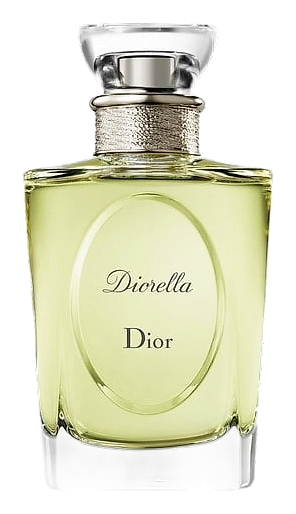
Edmond Roudnitska created the original Diorella in 1972, a chypre floral that captured something essential about freedom and lightness. When 2009 brought new IFRA regulations, François Demachy undertook the reformulation with evident care, preserving the fragrance's soul while bringing it into compliance. It joined Les Créations de Monsieur Dior, the house's collection of intensely floral fragrances that resist time and trend. The collection's own language describes these as reminiscent of Dior's most beautiful gowns and Mr. Dior's favorite flowers. Diorella fits that description precisely, it wears like something found in a couturier's private archive, composed for a specific kind of woman who doesn't need to explain herself.
The structure is deceptively simple: lemon, honeysuckle, vetiver. Three notes that could read as elementary, yet the execution carries weight. The Amalfi lemon isn't the lemon of cleaning products or candle shops, it's the lemon of a Sicilian market at peak heat, bursting with oil and sweetness in its rind. Honeysuckle adds an almost narcotic floral warmth that could tip into cloying, but the vetiver keeps it honest, earthy, rooted. This is the tension that makes Diorella work: brightness that could be frivolous, held in place by something that knows its history.
The evolution
The opening arrives fast, Amalfi lemon cutting through with the kind of clarity that feels almost physical, like citrus oil on skin. Within minutes, honeysuckle climbs through. Not the delicate honeysuckle of dried sachets, this is living honeysuckle, the kind that perfumes an entire garden at dusk. It sweetens the lemon without diluting it, and for the next two to three hours, these two notes do the work together. The vetiver announces itself as the heart begins to settle, adding a green-earthy counterweight that prevents the whole composition from floating away. By hour four, you're left with vetiver and something quieter, a skin-close warmth that refuses to fully disappear. On fabric, it lingers into the next day, a ghost of morning light.
Cultural impact
Diorella occupies an unusual position: a 1972 chypre that was reformulated in 2009 and survives in a collection of couture-exclusive fragrances. It's not a best-seller or a cultural flashpoint. It's something rarer, a fragrance that people return to because it does exactly what it promises, without excess or apology. Those who love it tend to love it deeply, wearing it as a seasonal ritual rather than a daily default.