The Story
Why it exists.
The beginning
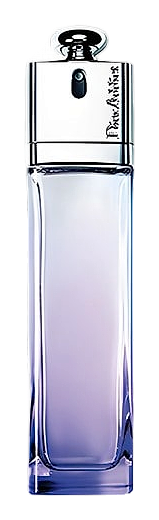
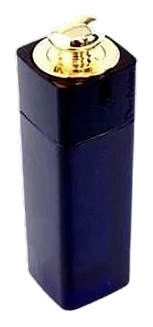
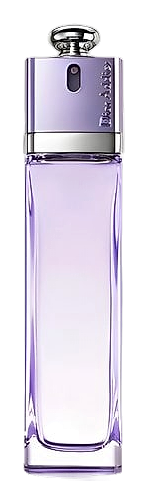
François Demachy released Addict To Life in 2011 as a reinterpretation of the original Dior Addict from 2002. Where the first was midnight seduction, this was midday hunger, the difference between a woman at a club and the same woman at a market, still commanding the room. Demachy wanted to bottle joy itself, light made liquid. The brief was simple on paper: sparkling, intense rose, worn by someone who moves through the world like it owes her something. Dior positioned this as a fragrance for the woman who lives her life in Technicolor, who scoffs at codes and knows what she wants. In practice, it meant a fruity-floral that felt like sunlight on skin, not perfume. The name said everything: Addict To Life wasn't about addiction to a scent. It was about someone who takes more than her share of everything, including joy, especially joy.
What makes Addict To Life work is how the rose doesn't behave like a Dior rose usually behaves. No powdery restraint, no archival polish. This rose is alive in a different way, it sparkles with the fruit around it, almost electric. The pomegranate and raspberry in the top act like a voltage boost, keeping the florals from ever settling into something soft. It's the kind of composition that could only happen in 2011, when the fruity-floral trend was still fresh enough to feel like a choice rather than a default. Demachy treats the rose as an active ingredient, not a decorative one.
The evolution
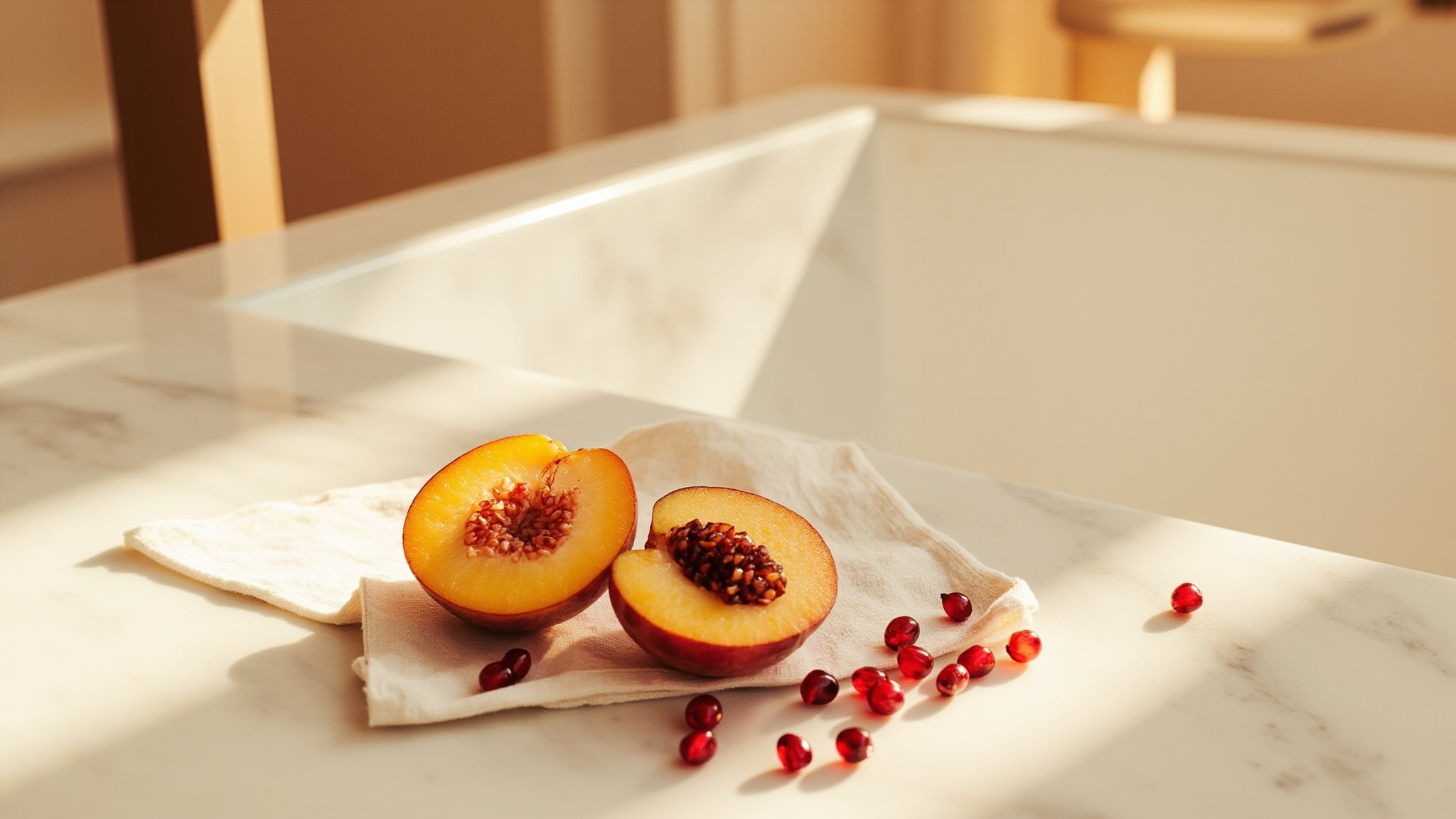
The first twenty minutes are the fruit doing the talking. Raspberry and peach arrive together, sharp and bright, each pushing the other forward. There's a tartness here that feels physical, like biting into something just underripe. The pomegranate adds depth without sweetness, a subtle darkness underneath the brightness. Around the thirty-minute mark, the hand-off happens. The fruit doesn't disappear, it recedes, like a spotlight moving. Jasmine and lily of the valley start to surface, but it's the rose that takes the stage, blooming in a way that feels almost gradual. The transition is gentle. Nothing snaps. The floral heart arrives in waves rather than all at once. By hour two, the composition has settled into something warmer. The jasmine is fully present now, sweet and slightly indolic in a way that keeps the fragrance from becoming too polite. The lily of the valley adds a green note, a slight edge that stops everything from going too soft.
Cultural impact
Addict To Life arrived during a specific cultural moment, the early 2010s, when fruity-florals were everywhere, but when Dior's version felt like something more intentional. The fragrance captures a particular energy: young, confident, not interested in looking back. For many women who wore it as a signature in 2011-2012, it's still associated with a specific chapter of their lives, first jobs, first apartments, the feeling of everything starting. The discontinuation made it harder to find, which only deepened the attachment. Those who loved it still seek it out, paying premiums for sealed bottles, because nothing since has quite replaced what it was.