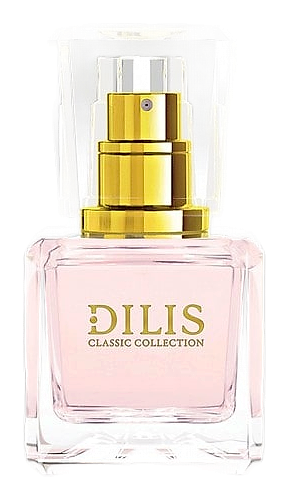

The Story
Why it exists.
The beginning
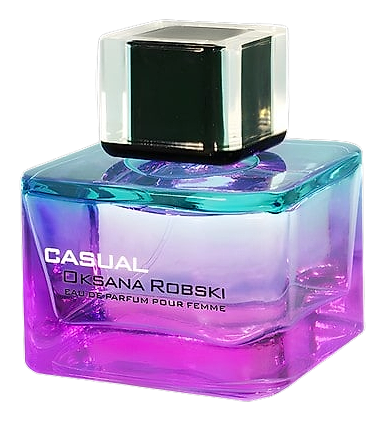
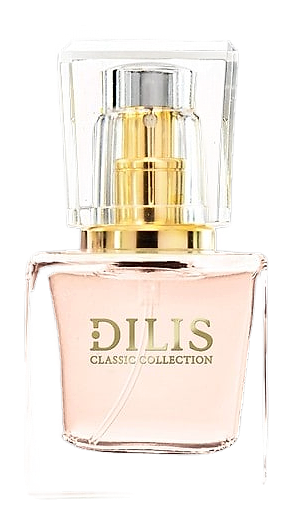
Classic Collection No. 30 arrived in 2014 as part of a house that builds quietly. No mythology, no elaborate origin stories, just numbered compositions released over time. This one leans into something the brand has always done well: fruit that feels chosen, not default. Red currant and kiwi open with a tartness that reads as confident rather than aggressive. Watermelon steps in to soften the picture. The result is a fragrance that feels like a specific moment, not a mood board. There is no public perfumer credit for this release. The brand does not publish the names of its collaborators, and there are no documented interviews explaining the creative brief. What exists is the fragrance itself, its structure, its choices, and the fact that someone decided watermelon should stay past the opening. That decision tells you something about the intent. This is not a fragrance that plays it safe. It is one that commits to an idea and lets it run.
Watermelon in perfumery is a curious thing. Most fragrances use it as a cameo, brief, watery, gone before you pin it down. Here, it earns a place in the heart. That is not a neutral choice. It requires the surrounding notes to do real work: keeping the composition from sliding into sweetness overload, preventing the scent from reading as generic or sunscreen-adjacent. Red currant and kiwi handle that responsibility in the opening. Their tartness grounds the sweetness before it can dominate. By the time the fragrance reaches the drydown, the watermelon has softened but not disappeared. It has become part of the fabric rather than an accent.
The evolution
The opening hits tart. Red currant cuts bright, kiwi follows with a crisp tartness that keeps the sweetness honest. This phase lasts about thirty minutes, assertive while it lasts. Then the watermelon arrives. Soft. Round. Almost ripe. It does not ambush the red currant so much as absorb it, turning the sharp edges rounded. The transition is not dramatic. It is the kind of change that happens while you are not paying attention. By the time you notice, the kiwi has quieted and the watermelon is running the show. The heart holds for several hours. Jasmine and cyclamen do not announce themselves here. They are the support system, keeping the watermelon from tipping into cloying, adding a floral layer that reads as softness rather than sweetness. The composition breathes. The drydown comes gradually. The watermelon does not vanish. It fades, becoming a memory of itself while jasmine and cyclamen continue their quiet work. Musk and sandalwood arrive last, slow and warm, settling close.
Cultural impact
This fragrance occupies a specific space within the independent niche market. It is not a statement fragrance or a collector's flex. It is the kind of scent that people seek out because they want fruit without the obvious sweetness, florals without the powder-room associations. Community feedback suggests it reads strongly as a summer fragrance, the watermelon note contributes to this perception, for better or worse depending on personal preference. Wearers who connect with the composition tend to describe it as refreshing and uncomplicated. Those who do not often cite the watermelon as the reason.