The Story
Why it exists.
The beginning
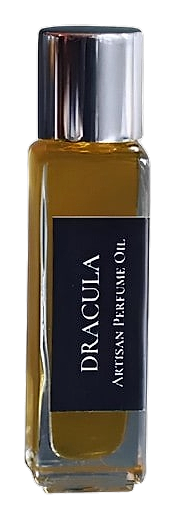
Dracula arrived in 2021 from Arina P. Franzén, the perfumer behind Sweden's Dark Tales. The house had already established a clear identity around translating folklore and horror literature into scent, choosing characters and stories that carry their own atmospheric weight before they ever reach a flacon. Dracula was a natural next chapter, the most iconic monster in Western literature rendered through the brand's narrative-first approach. Rather than building a pyramid and searching for a story to drape over it, the work begins by stepping into the source material.
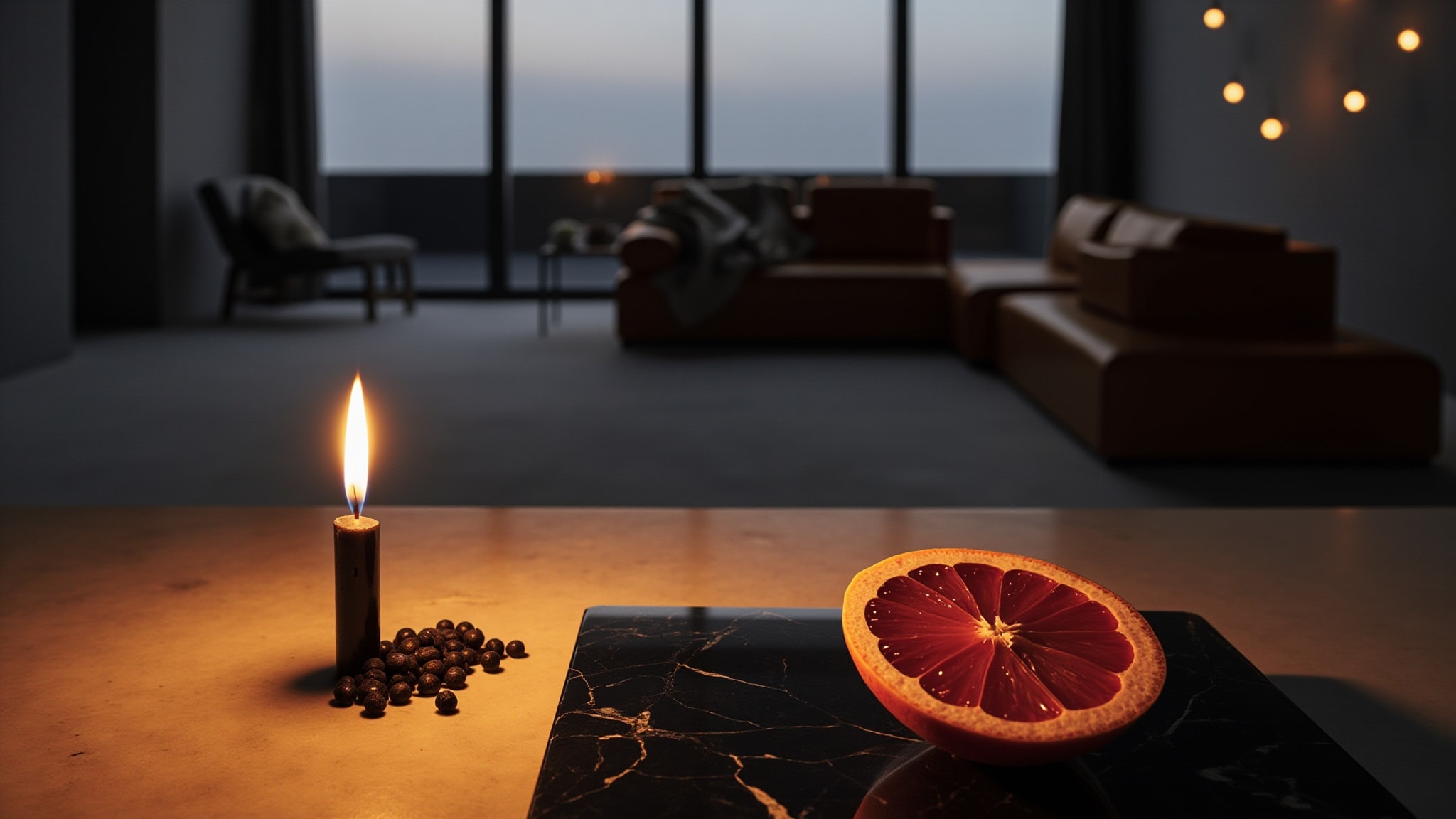
What makes this composition unusual is the deliberate tension between brightness and shadow. The opening is sharp and almost sunny, grapefruit and basil catching light, before black pepper drags everything into a warmer register. Labdanum glows in the heart with its raw, almost animalic warmth, a resinous amber note that smells like sun-warmed rock and old wood. The florals aren't sweet. Magnolia and red rose sit dusty and slightly bitter, edged by azalea's green tang. That tension keeps the whole composition from settling into a single mood.
The evolution
The fragrance announces itself with a sharp bite, grapefruit rind cracked against black pepper, then basil cooling the edges. This opening lasts roughly thirty minutes and reads almost citrus-aromatic, brighter than you'd expect from something named after a vampire. Around the one-hour mark, the labdanum starts to assert itself, bringing warmth and a leathery, resinous depth that reorganizes everything. Magnolia and rose emerge from underneath, dusty rather than sweet, and the azalea adds a green, almost humid quality, like air in a conservatory. By hour three, the heart has settled into a close-holding floral-amber accord. The styrax then takes over, a dark, almost medicinal benzoin with smoke and balsamic weight that smells like old church interiors and damp wood. This base persists through hour six and beyond, sitting close to the skin like a secret, getting warmer rather than fading.
Cultural impact
Dracula reads almost restrained compared to many other vampire-themed fragrances on the market. Where oud-heavy or leather-drenched compositions lean gothic, hard-pressed in their darkness, this one suggests something closer to candlelit chapel than crypt. That tonal restraint is part of what makes it interesting: it chooses complexity over spectacle, and character over costume. The choice of Dracula as subject signals clear ambition. Working with the most canonical figure in Western horror is a way of saying the house intends to compete with the familiar while reframing it.