
The Story
Why it exists.
The beginning
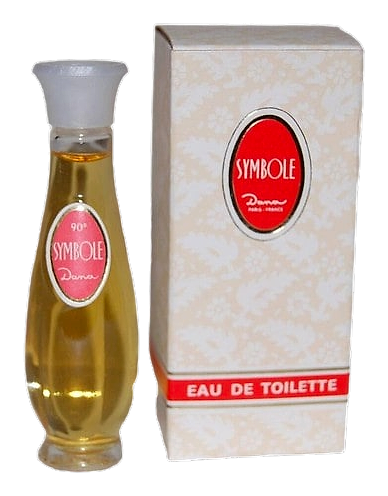
Symbole arrived in 1946, launched as an eau de toilette, and entered a catalogue that already included Tabu and Chantilly. Where those leaned in their own directions, Symbole cut a different line: aldehydes at the top, leather at the base, oakmoss threading through, with a green accord and flowers bridging the structure. The notes as listed read like a study in deliberate tension, bright synthetic lift meeting grounded natural depth, the cold flicker of aldehydes set against the warm animal weight of leather and the dark, damp pull of oakmoss. The name itself, Symbole, hints at the intent. Something that stands for more than a pretty smell. A composition built around structure, contrast, and the particular pleasure of a fragrance that doesn't soften its edges.
The aldehyde-leather pairing itself is structurally interesting. Aldehydes carry that cold metallic sparkle, almost soapy in their brightness, the kind of opening that announces itself with a kind of polite insistence. Oakmoss and leather at the base ground that brightness with something earthier, darker, and more animal. The green notes and florals in the heart do the real work of binding the composition together, softening the transition between the cold top and the warm base, offering a herbal, faintly bitter middle that keeps the aldehydes from feeling clinical.
The evolution
The opening is sharp, almost aggressive. Aldehydes lift off the skin with a bright, slightly soapy intensity, a cold metallic sparkle that announces the fragrance before anything else has a chance to settle. The green accord pushes through early, cutting the aldehydes with something herbal and a little bitter, like crushed leaves under cold water. Oakmoss settles in gradually, earthy and damp, grounding the whole composition toward something that reads as forest floor and old libraries. As the aldehydes begin to recede, the leather arrives, quiet but unmistakable, warm and a little dry, with the floral notes softening the edges between the green heart and the leathery base. The drydown is where Symbole earns its reputation: a mossy, leathery close that clings to skin and holds its shape.
Cultural impact
Symbole reads as a study in contrast, the kind of vintage composition that rewards patience rather than first-spray love. The aldehyde opening, the herbal green heart, the mossy leathery base: each phase offers something different, and the fragrance as a whole holds together as a coherent architectural statement rather than a simple pleasant scent. For collectors of mid-century perfumery, it occupies a distinctive place, a composition where leather and oakmoss take prominent roles alongside the brighter synthetic top notes, creating something that feels both modern in its construction and rooted in classic perfumery traditions.