The Story
Why it exists.
The beginning
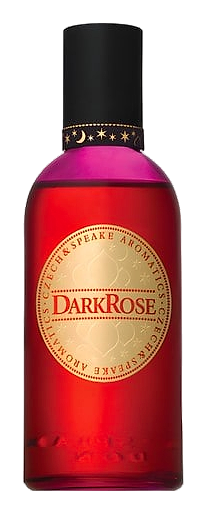
Czech & Speake released Dark Rose, joining a small collection of fragrances built on the house's philosophy of quiet confidence. The brand continued its measured approach, adding interpretations that fit the brand's character. Dark Rose presented a rose that didn't ask permission to be dark, dense, and resinous rather than bright and airy. The composition moves through layers of depth, where the floral heart carries weight and presence, and the overall impression is one of deliberate intensity rather than delicate charm.
The composition centers on a rose known for depth, Bulgarian rose, surrounded by materials that amplify its darker character rather than soften it. The oud doesn't float above the rose; it anchors beneath it, preventing any sweetness from rising too far. This is a rose with presence and weight, where the florals are supported rather than overwhelmed. Sandalwood provides a creamy counterpoint that settles close to the skin, adding warmth without announcing itself.
The evolution
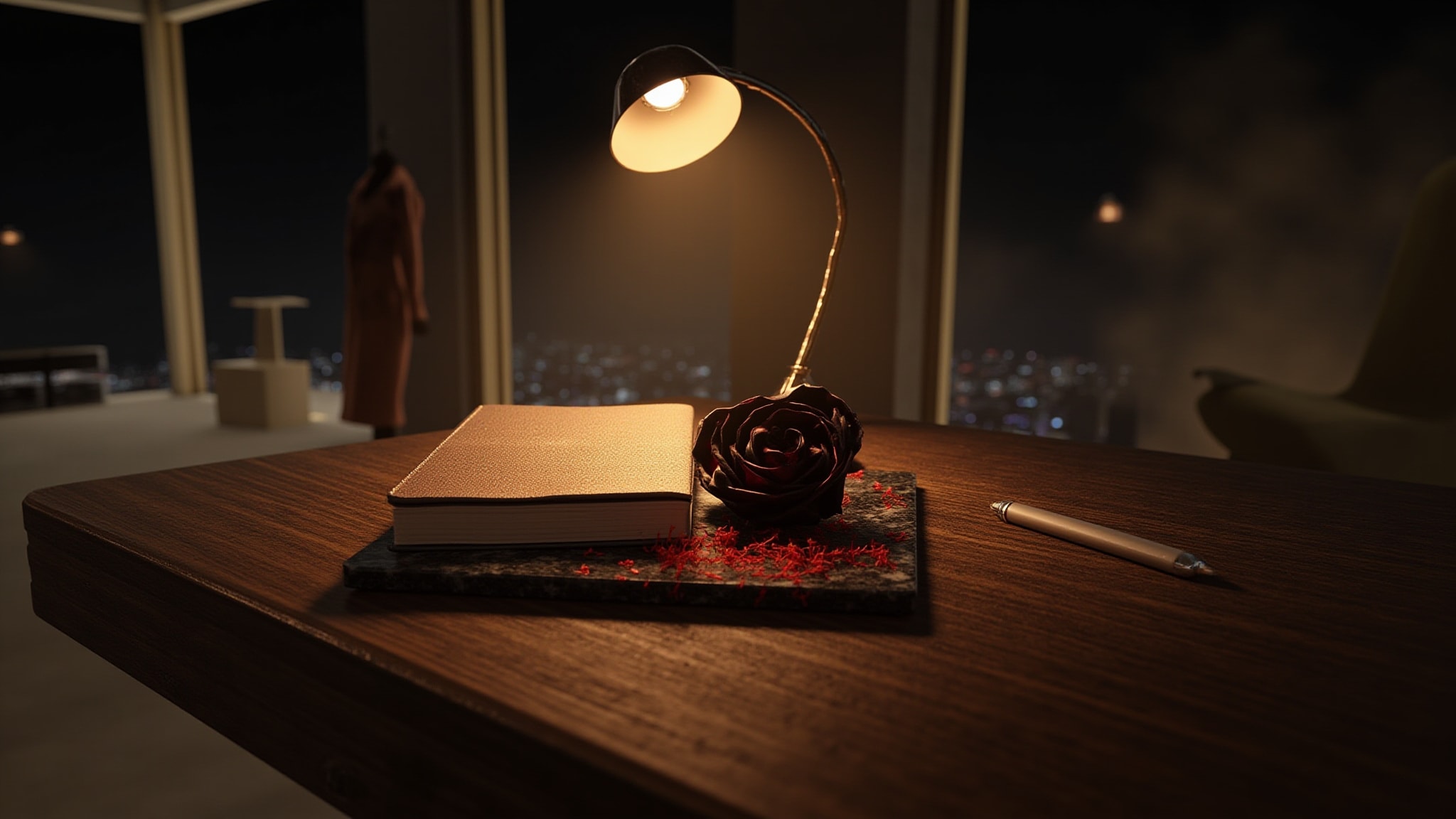
The opening arrives quickly. Saffron's medicinal bitterness cuts through first, not harsh, but present, like the smell of spice in a room where something is being burned. Bulgarian rose appears soon, thick and substantial. Then the darkening: oud and woody notes arrive together, pressing the rose down, transforming its character from floral to resinous. The rose doesn't disappear, it deepens. By the heart phase, it's sandy and warm, patchouli keeping it grounded and close. White musk begins to surface, adding a skin-like quality that makes the composition feel intimate rather than projected. The base arrives quietly. Bulgarian rose has largely moved aside, but sandalwood lingers in its creamy persistence. Liquidambar adds a sticky, balsamic quality. The oud remains, attenuated by musk, barely animalic, just warm.
Cultural impact
Dark Rose found its audience among those who wanted rose to mean something darker than its typical reputation. The fragrance presented a rose that moved away from conventional expectations, offering depth and intensity that felt deliberate rather than accidental. As part of a house not primarily known for florals, it represented a distinct take on the rose theme, one that emphasized richness and complexity over conventional sweetness.