
The Story
Why it exists.
The beginning
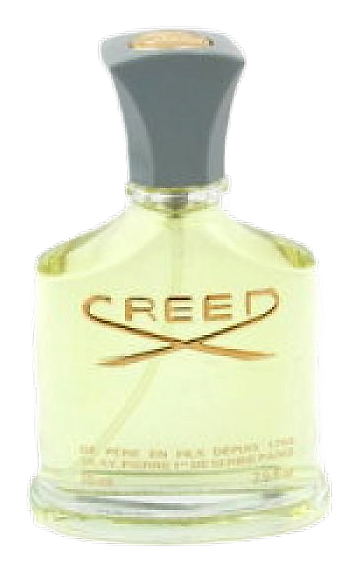
Epicea arrived in 1975 from the Creed house, a composition built almost entirely around a single idea: the scent of pine resin meeting spice. The name itself is the blueprint. In French, épicéa refers to the Norway spruce, though the fragrance works with stone pine, a Mediterranean cousin whose aroma runs warmer and more resinous than its Nordic relative. Two top notes, one heart, one base. The architecture is spare. No ornamental florals, no gourmand softening. Just bergamot and lavender to open the door, clove to warm the center, and pine to anchor everything that follows.
What makes the structure unusual is its refusal to decorate. The composition cuts straight to material without ornamental layering, and that austerity defines everything that follows. The lavender works as a cool counterweight rather than a decorative top note, reading almost mentholated in the way it chills the opening without softening it. Clove takes over the middle in a way that reads almost like cooking, dry and faintly numbing, with a phenolic heat that sits low on the skin rather than projecting outward. Stone pine, the base, carries the whole weight of the composition without dilution.
The evolution
The first ten minutes belong to bergamot and lavender, bright and cold, almost bracing. Then clove rolls in, unannounced, and the temperature shifts. It doesn't fade into the background so much as take over, warm and slightly medicinal, with that faint tingle that good clove carries. Around the two-hour mark, stone pine begins to assert itself, pulling the composition toward something greener, more resinous. The clove softens but never disappears. By hour four, the drydown is firmly pine territory: quiet, dry, woody, with a ghost of spice still curling through it. On fabric the next morning, the pine persists, clean and slightly camphorated, the lavender long gone but the structure intact.
Cultural impact
Epicea sits in a quiet corner of perfumery, a composition that rewards attention rather than demanding it. It has held a loyal following among collectors who appreciate its lean structure and its willingness to trust a single material to carry an entire composition. The fragrance reads as deliberate, built with intention and stripped of anything that might dilute its message. On skin, Epicea behaves with a kind of structural honesty: the pine arrives first, the clove threads through the middle, and neither note negotiates with the other. They coexist in a tension that feels resolved rather than combative.