
The Story
Why it exists.
The beginning
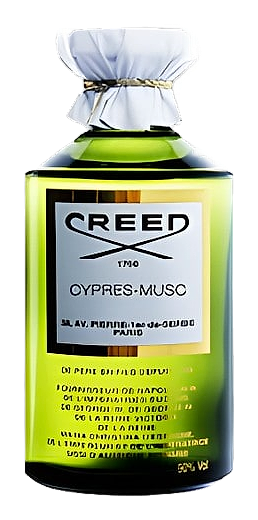
Henry Creed Fourth Generation designed Cypres Musc in 1948, a period when the world was recalibrating its ideas about elegance. The fragrance arrived at a cultural inflection point, postwar restraint was the aesthetic, but underneath, a hunger for warmth and intimacy was building. The name says it all: cypress and musk, conifer and skin. Creed built this as a study in contrasts, not a statement piece. Bergamot leads, clean and almost soapy, then cedes the stage to the quieter, earthier materials that have always lived at chypre's heart. It was composed for someone who understood that sophistication doesn't shout, it lingers.
The oakmoss-musk combination is what makes Cypres Musc earn its place in the chypre family. Oakmoss gives that quiet, forest-floor depth that synthetic fragrances have spent decades trying to replicate. Musk adds skin-warmth without sweetness, the pulse, not the gesture. Galbanum is the lesser-known player here, a green resin that sits between the brightness of the opening and the depth of the base, adding an herbal, almost medicinal quality that keeps the whole composition honest. This is not a fragrance that flatters. It's one that holds.
The evolution
The first hour belongs to bergamot, but not in the way you'd expect. This isn't the sharp citrus of a modern cologne, it's creamy, almost soapy, with a restraint that reads as deliberate. Then warm resinous accords begin to surface, lying low over light woods. The transition isn't dramatic. It's more like watching fog lift. In the heart, cypress and galbanum settle into something steady and green. The drydown is where this fragrance earns its reputation. Oakmoss and very light musk pulse calmly for hours, close to the skin, moderate in projection, impossible to ignore if you're the one wearing it. There's no official longevity claim attached to this scent, but wearers generally report a substantial presence that lingers well into the evening hours.
Cultural impact
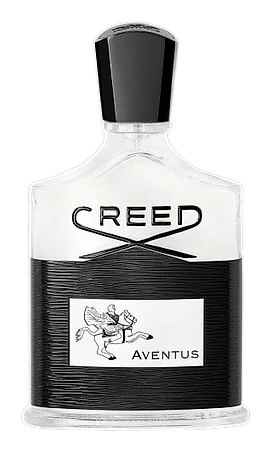
Cypres Musc sits apart from Creed's more celebrated flankers. Where Aventus spawned a subculture, this 1948 composition asks for a quieter kind of attention. It's sought after by those who understand that discontinued does not mean overrated, it means rare. The composition reveals a timeless quality that transcends fleeting trends, offering instead a measured complexity that rewards patience and close attention.