The Story
Why it exists.
The beginning
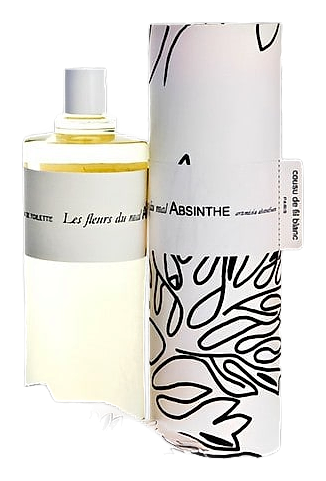
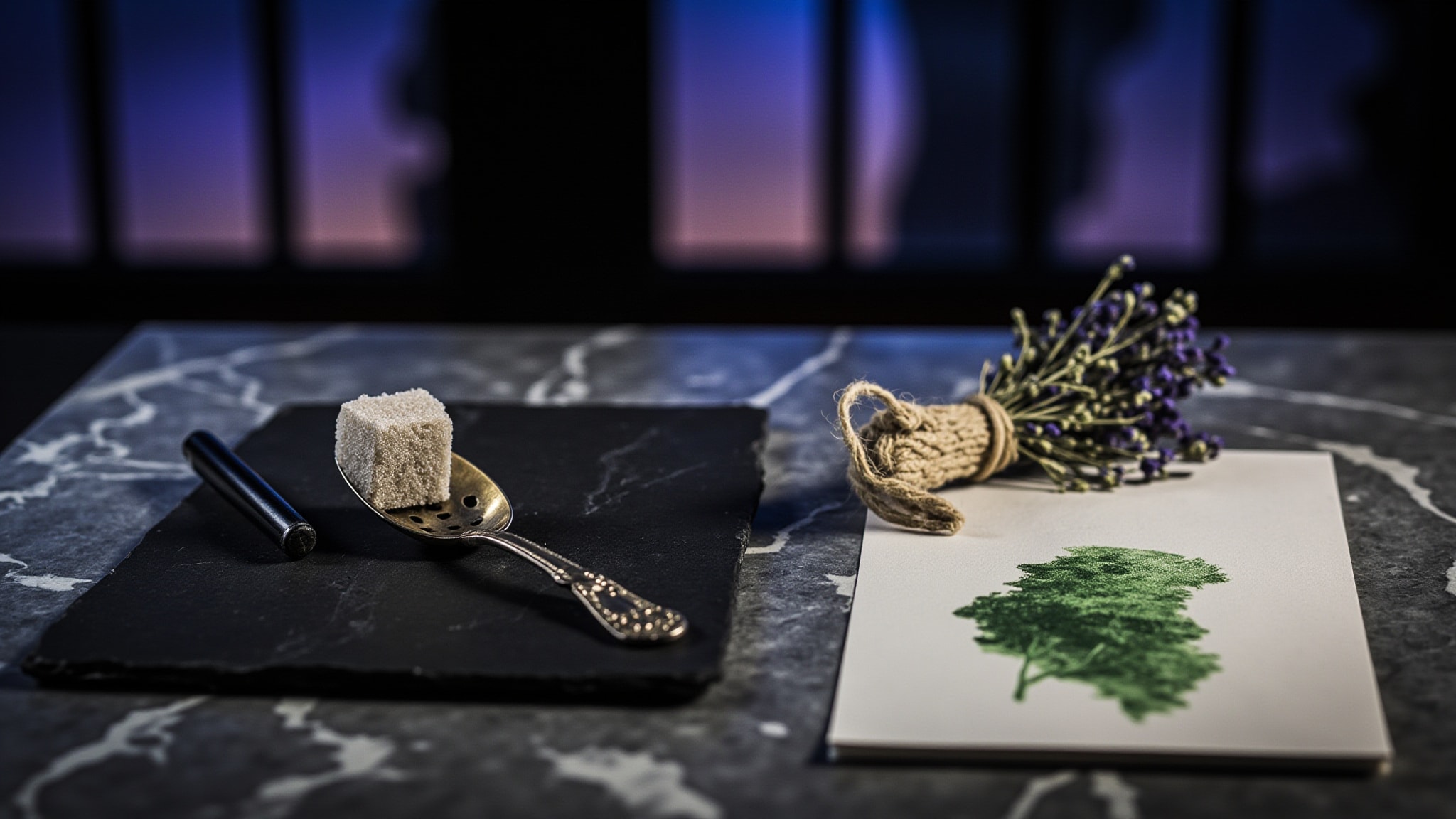
Absinthe arrived in 2011 as part of the inaugural trio from Cousu de Fil Blanc, a French house. The brand built its debut collection, Les Fleurs du Mal, around three plants carrying cultural baggage: hemp, absinthe, and poppy. Each fragrance was a dedicated study of one controversial botanical, paired with supporting accords that let the central ingredient dominate the conversation. Absinthe took the wormwood. The composition leans fully into that central note, building a layered portrait around it. Wormwood carries a green, herbal bitterness that runs through every phase of the wear, from the first spray to the drydown hours later, and the surrounding notes arrange themselves to amplify rather than obscure that signature character.
Wormwood is one of perfumery's trickiest raw materials. The plant carries a bitter, almost medicinal edge that reads as green and herbal at first, then veers toward something sharper, faintly toxic if handled without care. French labdanum anchors the heart, its warm, resinous gravity pulling the composition toward something grounded and ambered. Lavender and rosemary cool the top with their clean herbal facets, brightening the opening before the wormwood settles into prominence.
The evolution
The opening is all green and clarity: lavender cuts through first, sharp and slightly camphorous, with rosemary threading right behind it, adding a piney, resinous snap. The first ten minutes feel almost medicinal, like the air around a Provençal herb garden after watering. Then wormwood arrives at the heart, and the temperature shifts. It brings a bitter, slightly sweet edge that settles into labdanum's warm amber base, the whole thing going denser, more resinous. By the second hour, the lavender has retreated and the anise is doing most of the talking: sweet, slightly licorice-like, a little dusty, like an old apothecary jar. Licorice and anise hold the drydown for the next few hours, warm and faintly sweet, with the wormwood's bitter-green ghost still flickering underneath. On fabric the next morning: faint licorice, warm amber, a trace of something herbal that won't quite name itself.
Cultural impact
Absinthe sits within a specific tradition of wormwood-led compositions, the kind of scent that draws wearers curious about herbal and bitter profiles in fragrance. The composition commits to a green, bitter, slightly sweet character from the opening through to the late drydown. Wormwood drives the experience, its medicinal herbal edge softened by labdanum's amber warmth and lifted by lavender and rosemary at the top. Licorice and anise add a dark sweetness at the base, keeping the bitterness accessible rather than austere.