
The Story
Why it exists.
The beginning
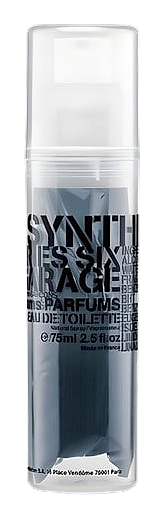
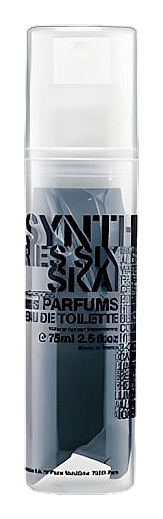
Skai is named after a type of artificial leather that became widely used for jackets, bags, and furniture finished to resemble the real thing. Comme des Garçons drew on this cultural artifact for a fragrance built entirely from synthetic materials. The 2004 scent makes its artificiality a feature, constructing the composition from lab-made accords rather than natural extracts. What could have been a limitation becomes the central concept, a fragrance that wears its synthetic origins as a badge rather than a compromise. The result is something deliberately material-driven, an olfactory study in what modern chemistry can achieve when it doesn't pretend to be something else.
Most fragrances compete on naturals, more rose, better oud, rarer jasmine. Series 6 Synthetic rejected that entirely. Skai leans into the synthetic, using suede accord and labdanum to create something that smells deliberately composed rather than harvested. The peat adds an earthy, almost smoky depth that grounds the artificial materials, making them feel warm rather than cold, worn rather than new. It's the smell of a leather jacket that's been places, translated into chemistry.
The evolution
The opening is grapefruit and cardamom, a brief flash of citrus that clears fast. What's left is the suede, backed by peat smoke. It smells like a room where someone's been burning something, wearing leather. The labdanum thickens the middle into something resinous and deep. The drydown takes its time. Sandalwood arrives last, soft and creamy against the lingering suede. As the fragrance settles, the leather accord becomes more pronounced, gaining an animalic edge that pairs with the earthiness of the peat. The synthetic materials blend into a cohesive whole that feels both familiar and unsettling, like encountering a memory you can't quite place.
Cultural impact
Skai arrived in 2004 as part of Series 6 Synthetic, a collection that explored what fragrance could be when built from synthetic materials rather than natural extracts. The scent works with artificial leather and smoke accords, creating an olfactory experience that references material culture rather than nature. It doesn't aim to replicate something found in the natural world. Instead, it constructs its identity from what chemistry can produce, making the synthetic the subject rather than a substitute for the real. The fragrance operates as a material statement, one that finds its beauty in construction rather than imitation.
The House
Comme des GarconsSince 1994, Comme des Garçons Parfums has treated fragrance as wearable conceptual art. Founded by fashion visionary Rei Kawakubo and perfumer Christian Astuguevieille, the house rejects conventional beauty standards and commercial logic alike. Its unorthodox scents and sculptural bottles challenge what perfume can be, turning industrial aromas and abstract ideas into collectible works. More than a fragrance brand, it is an ongoing artistic experiment.
The Creator
IFF (International Flavors & Fragrances)