The Story
Why it exists.
The beginning
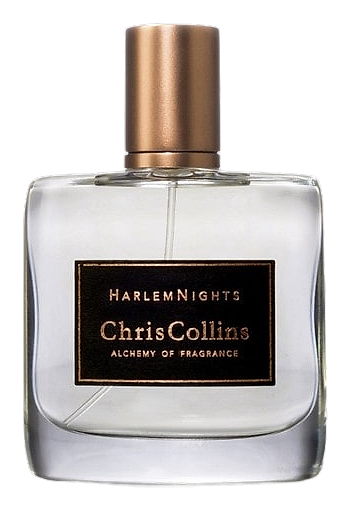
The name says everything. Harlem Nights isn't a place you visit. It's a place you remember existing. And Laurent Marrone knew exactly how to bottle it. The perfumer anchored the composition in rum, that warm, insistent sweetness at the top, then layered powdery orris and jasmine over a cedar base. By the time the sandalwood arrives, the fragrance has become something else entirely. Not a memory of Harlem. The feeling of Harlem. The 2017 launch arrived just before the brand's official founding in 2018, making this one of the first statements from a house built on personal mythology and olfactory autobiography. This was Chris Collins writing in scent before he had a name for the company.
The structure here is what separates Harlem Nights from a straightforward boozy frag. Rum opens bright and unapologetic, almost too sweet, then the saffron cuts in with something metallic and strange, that sharp spice that makes you smell the air twice. It's a calculated move: warmth followed immediately by edge. The heart is where Marrone earns his money. Orris root is notoriously difficult to balance, too much and you get powdery headache, too little and the jasmine floats away without grounding. Here, the iris acts as a bridge between the boozy opening and the woody base, giving the composition a continuity that survives the drydown.
The evolution
The first thing you'll notice is the rum. Not rum as a note, rum as temperature. The sweetness hits warm, almost immediate, before the saffron arrives to complicate things. That's the move: Marrone opens with something inviting, then introduces the spice that separates casual wearers from committed ones. For the next twenty minutes, the fragrance exists in tension. The citrus lifts slightly, preventing the sweetness from becoming syrupy. The clove and nutmeg appear as brief flickers, heat without fire. Then, around the thirty-minute mark, the orris begins to rise. Not jasmine first, orris. That's unusual. Jasmine is the expected floral here; orris is the sophisticated one. Powdery, violet-adjacent, slightly metallic, it takes over the composition and redirects everything toward the cedar. By the second hour, the drydown is fully established. Sandalwood and vanilla settle into something soft, warm, close. The sillage moderates noticeably, this is no longer a fragrance that announces itself. It's a fragrance that rewards proximity.
Cultural impact
Harlem Nights has become the signature piece of the Renaissance collection, the one people mention when they talk about what Chris Collins does best. For those who seek fragrance with actual cultural weight, this fills a gap that mass-market night scents cannot touch. The 2017 launch was a statement of intent from a brand still finding its feet, proof that niche fragrance could carry narrative without sacrificing craft.