
The Story
Why it exists.
The beginning
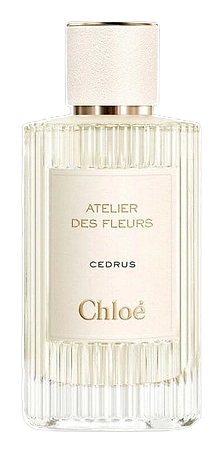
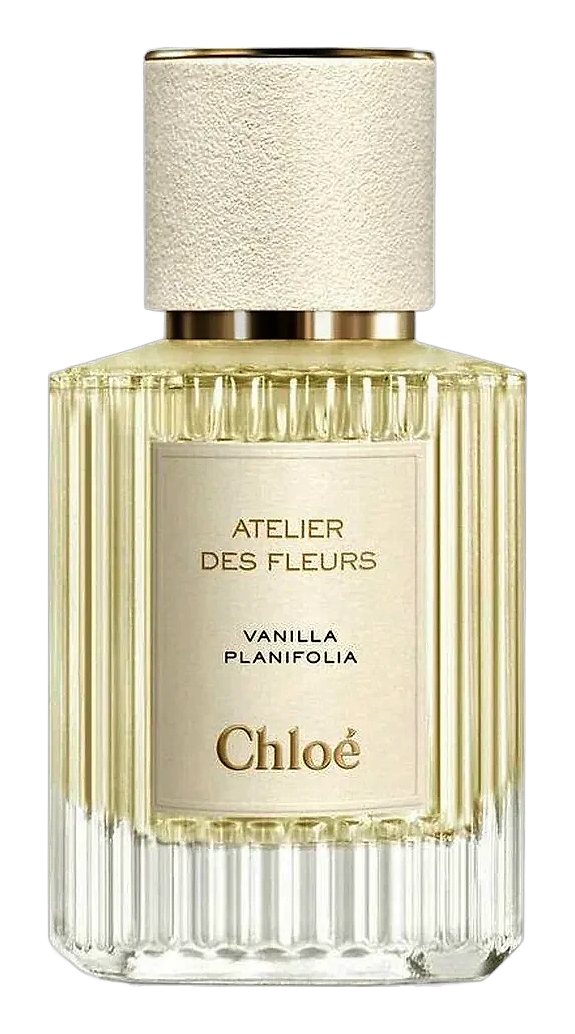
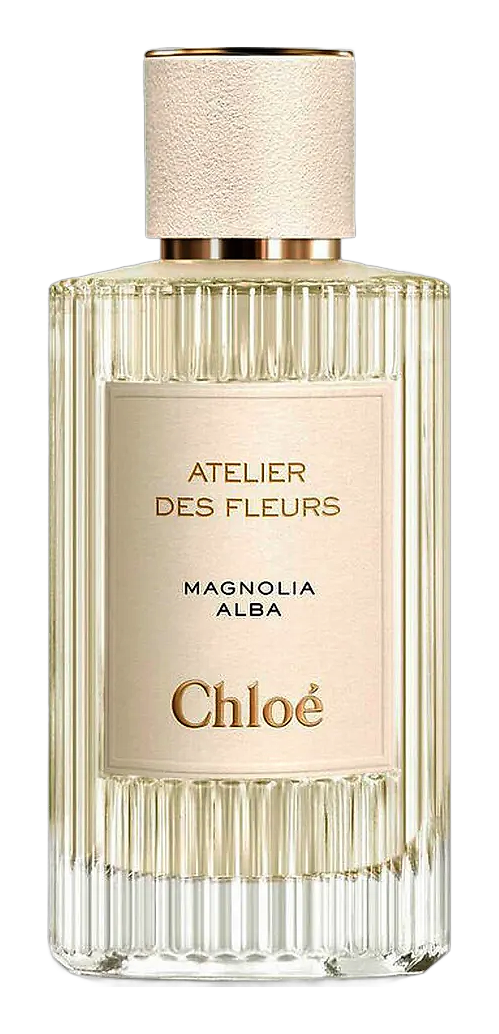
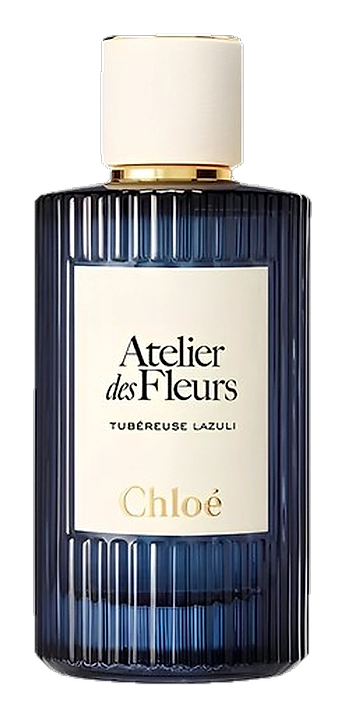
Atelier des Fleurs is Chloé's playground, a collection of single-note studies in raw botanical material, each one built to honor a specific ingredient. Tubéreuse Lazuli sits within that collection as the proposition that gets complicated. The name borrows from lapis lazuli, that ancient deep-blue stone prized across centuries for its rarity and its color, the color of twilight, of things that feel important. The fragrance captures tuberose not as a simple soliflore exercise but as a full narrative: green and sharp in the morning light, dense and almost physical as the hours pass. That reference to Lazuli isn't decorative. It sets the tone.
What makes this interpretation stand apart is the osmanthus. That apricot-sweet note appears in plenty of fragrances, but here it threads through the tuberose-heart like a subtle argument, fruity, warm, keeping the floral from becoming heavy-handed. The white oud in the base does something similar in reverse: it deepens the drydown, adding complexity that goes beyond simple richness. Sandalwood smooths the transition. Patchouli anchors it. The result is a tuberose that stays graceful as it lingers.
The evolution
The opening hits with pink pepper first, a quick, dry spark that clears the way for bergamot's citrus cool. As the citrus settles, the fragrance enters a phase that feels almost green, almost sharp, almost light. Then the tuberose arrives and the arithmetic changes. It's not a gentle bloom. The jasmine reinforces it, and together they push the heart into creamy, slightly waxy territory. The osmanthus is the quiet lift here, fruit without sweetness, a suggestion of apricot that keeps the floral from becoming heavy. Patchouli arrives dry and earthy, then the white oud deepens everything into something that smells expensive and persistent. Sandalwood softens the edges. The drydown stays close to skin but announces itself in the morning, with intimate sillage and the kind of longevity that rewards re-application rather than demanding it.
Cultural impact
Atelier des Fleurs has quietly built a reputation as Chloé's most interesting fragrance work, ingredient-focused compositions that reward attention. Tubéreuse Lazuli fits that mold but pushes further, adding osmanthus and white oud to a tuberose heart that could have survived on cream and projection alone. The composition feels denser and more persistent than the earlier green-floral entries in the collection.
The House
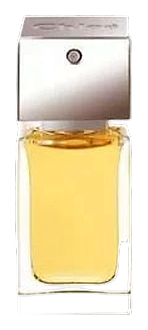
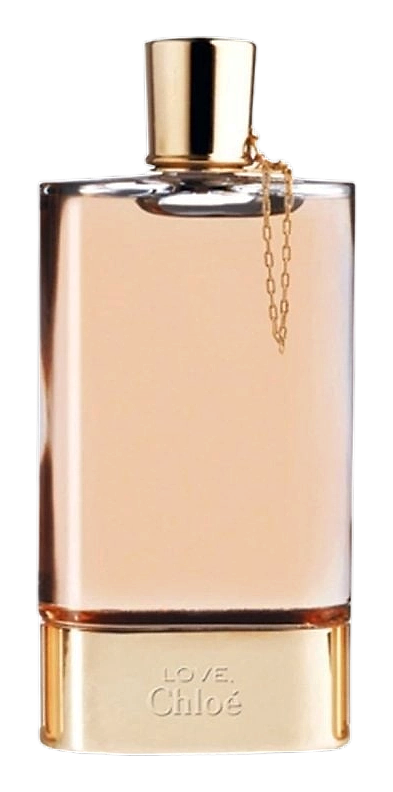
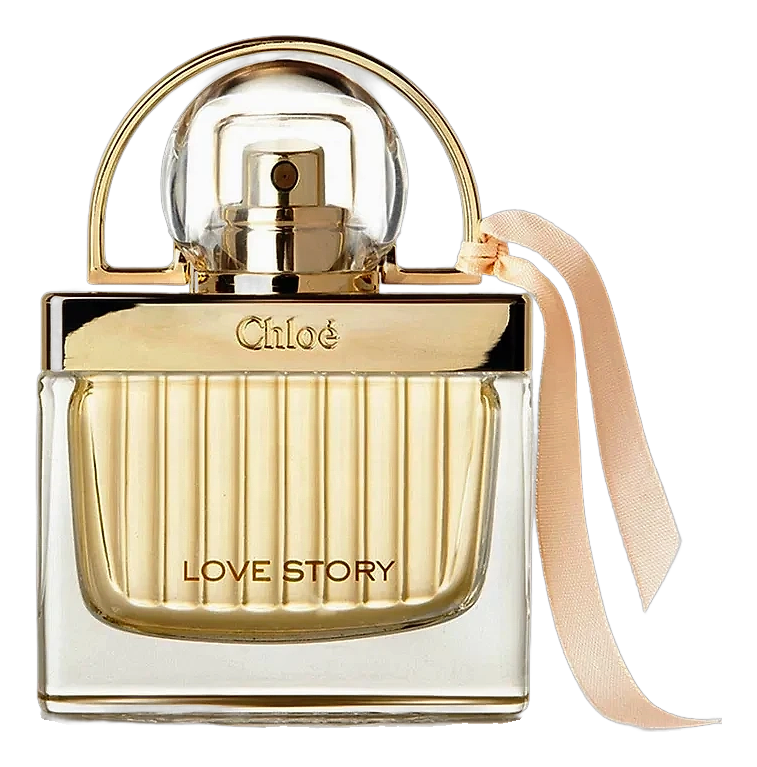
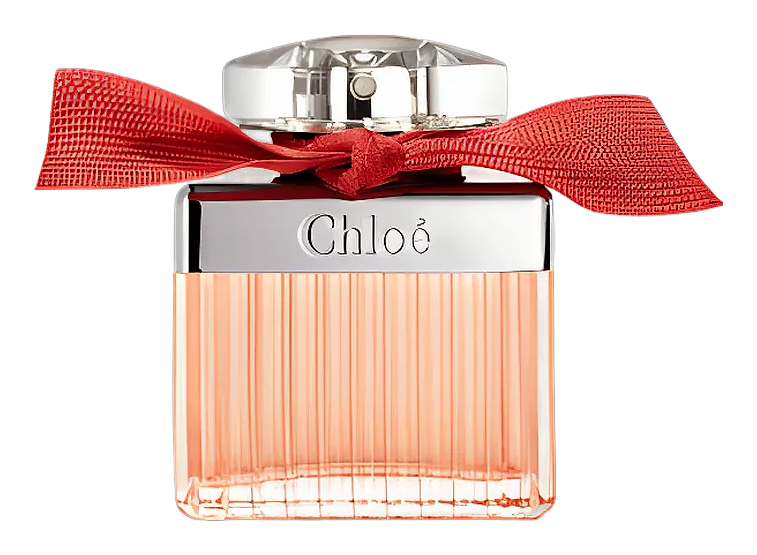
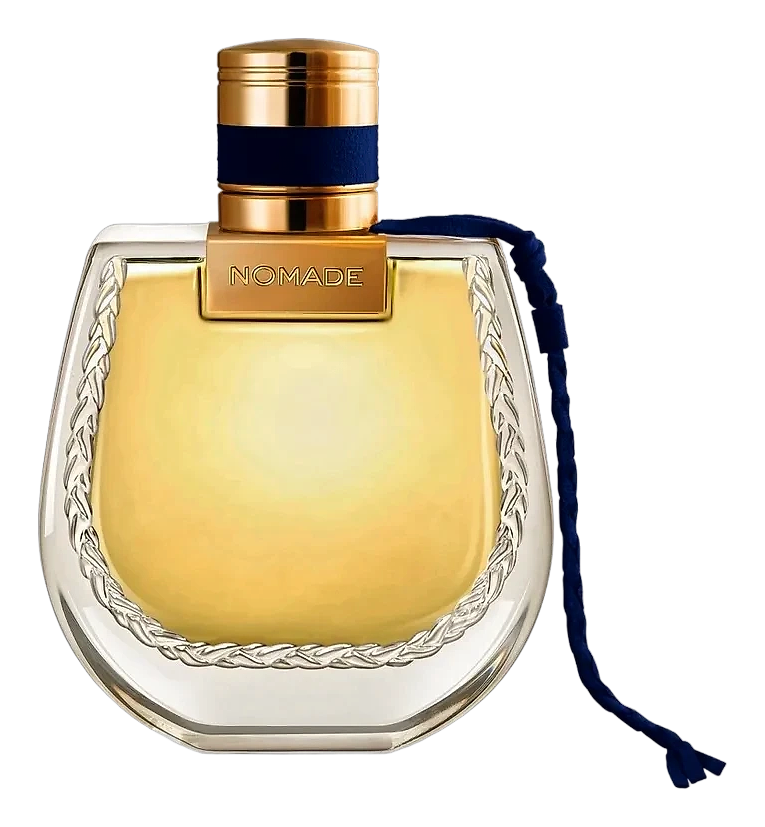
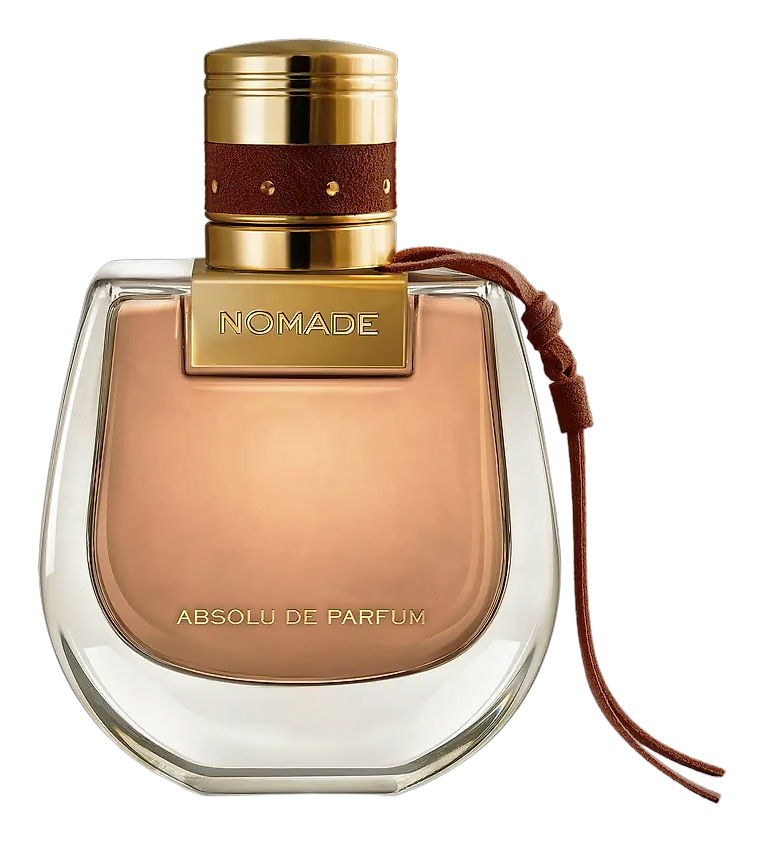
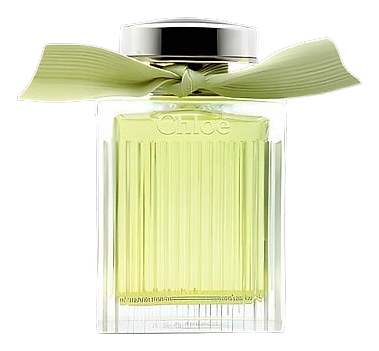
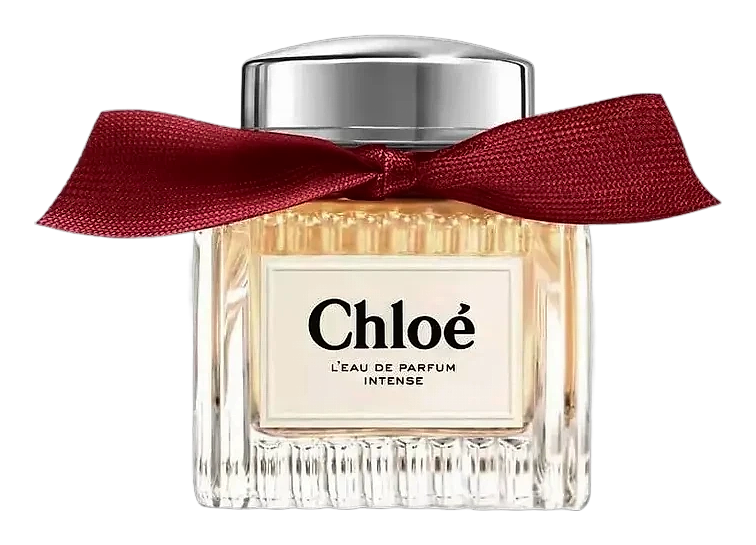
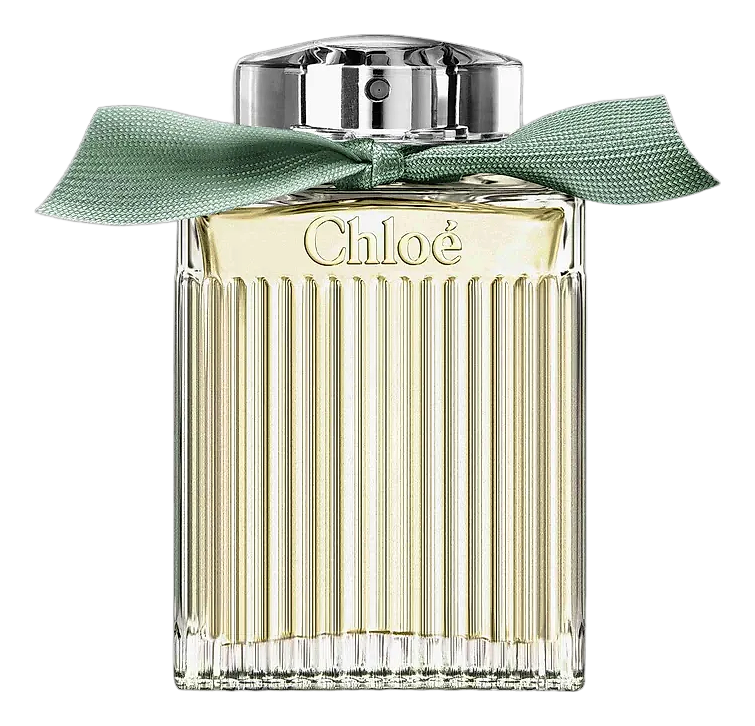
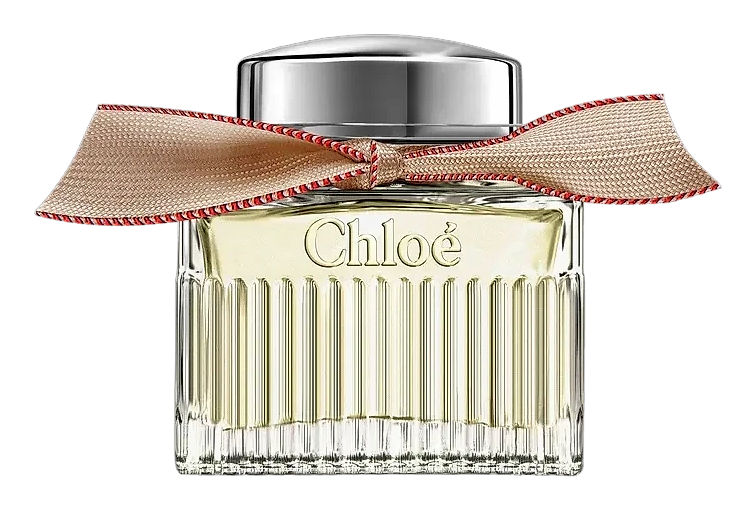
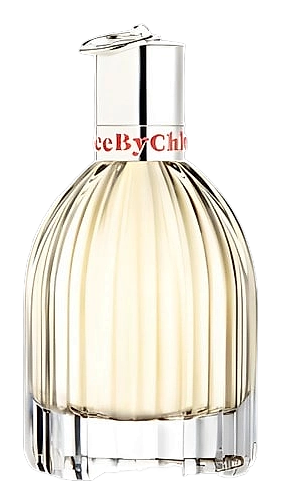
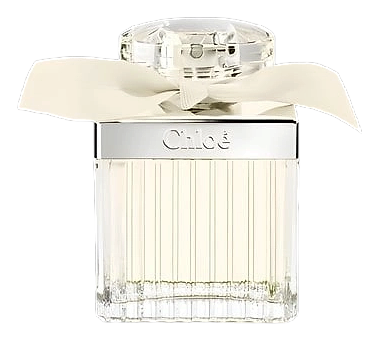
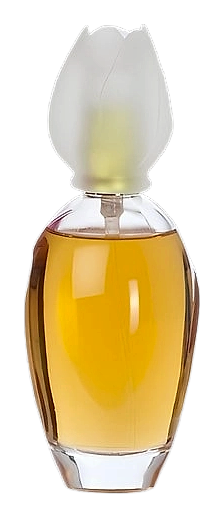
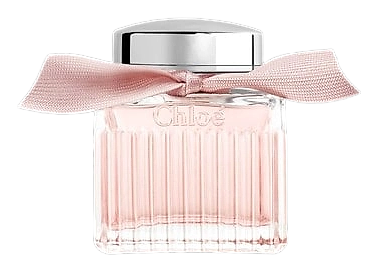
ChloéChloé is a French fashion house that entered the fragrance world in 1975 with an eponymous feminine scent. The brand works with Coty for fragrance production and has built a portfolio of 76 perfumes spanning floral, woody, and fresh scent families. Led since October 2023 by creative director Chemena Kamali, Chloé continues to channel the free-spirited femininity envisioned by its founder Gaby Aghion, who established the house in 1952 as a pioneering force in luxury ready-to-wear. The fragrance collection, including signature releases like the 2008 Chloé Eau de Parfum and the Atelier des Fleurs range launched in 2019, maintains the house's romantic aesthetic through light florals, rose-forward compositions, and elegant bottle designs featuring the signature pleated glass and hand-tied ribbon.
The Creator
Jean-Christophe HéraultHérault gravitates toward generous use of strong materials: spices, woods, musks, and resins that project clearly and last. His work tends toward boldness without becoming abrasive, finding balance within intensity.